

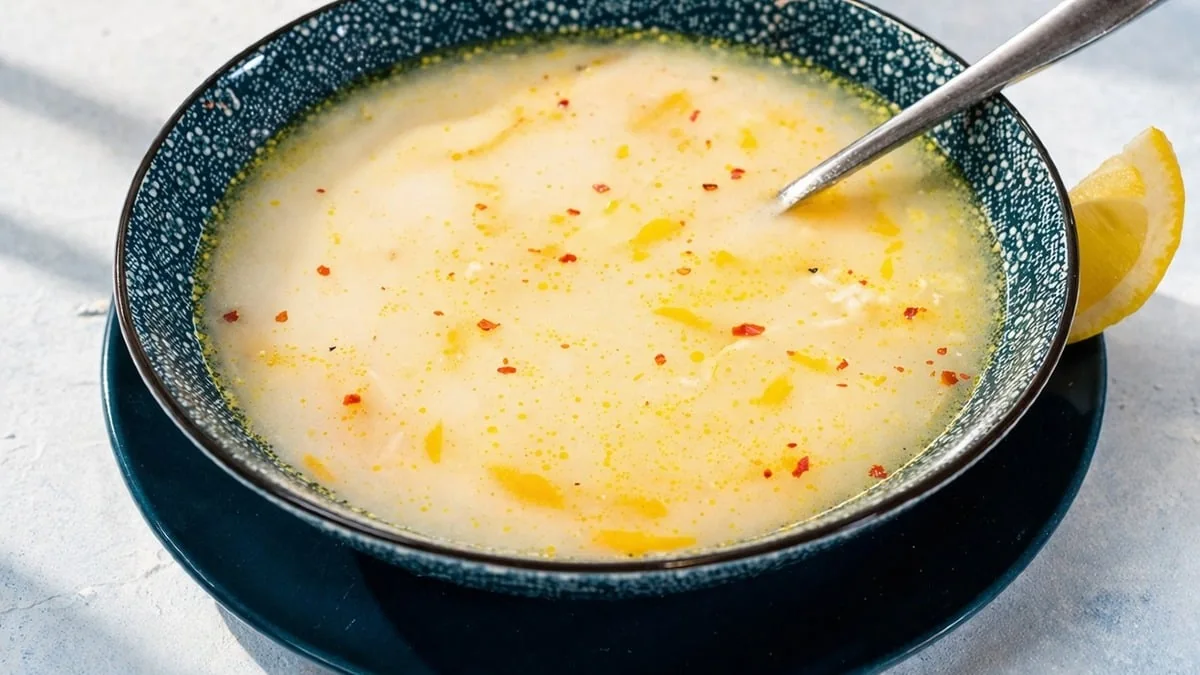
Broth-based soups with chicken, seafood or beef give the most protein per calorie. In Sporty's estimates, tom yum goong has about 24 g of protein for 230 kcal and chicken soup 22 g for 260 kcal, while pho, goulash and chili give over 30 g. Lentil and vegetable soups are lighter in protein, so pair them with a protein side.
Key takeaways
- Aim for roughly 20 to 40 g of protein per meal, about 0.25 g per kg of body weight (ISSN).
- Tom yum goong (24 g for 230 kcal) and chicken soup (22 g for 260 kcal) top the list per calorie (Sporty estimates).
- Pho, goulash and chili are bigger meals of about 450 to 480 kcal with over 30 g of protein.
- Soup before a meal cut total lunch intake by about 20% in a lab study.
- Add chicken, beans, tofu, egg or yogurt to light soups, and keep salt and cream in check.
Can soup be a high-protein meal?
Yes, as long as it is built around a protein source rather than just vegetables and broth. Chicken, beef, prawns, fish, lentils, beans, tofu and eggs can all turn a light starter into a full meal. Many classic soups are low in calories but also low in protein, which is why a bowl of tomato soup can leave you hungry an hour later while a bowl of chicken soup or pho keeps you going.
Soup also has a useful trick for anyone eating fewer calories: it is mostly water, so it fills your stomach for relatively little energy. In a lab study of 60 adults, eating a vegetable soup before lunch cut total lunch intake, including the soup, by about 20%, or roughly 134 kcal. Combine that volume with protein and you get a meal that is both warming and filling.
How much protein should a meal provide?
The International Society of Sports Nutrition (ISSN) suggests about 0.25 g of protein per kg of body weight per meal, or roughly 20 to 40 g, spread across the day every three to four hours. For a 70 kg adult, that is at least about 18 g per meal. Daily needs depend on your weight and activity; the calculator below gives a personal estimate.
0.8 g/kg is the adult RDA; 1.4–2.0 g/kg is the ISSN range for people who exercise. Kidney disease needs medical advice.
For a fuller explanation of daily targets, see how much protein you need per day.
Which soups have the most protein?
Here are the soups and soupy stews in the Sporty catalog side by side:
| Dish | kcal | Protein | Carbs | Fat |
|---|---|---|---|---|
| Tom Yum Goong | 230 | 24 g | 14 g | 9 g |
| Chicken Soup | 260 | 22 g | 24 g | 8 g |
| Beef Pho | 450 | 33 g | 65 g | 8 g |
| Goulash | 450 | 34 g | 32 g | 20 g |
| Chili con Carne | 480 | 34 g | 38 g | 20 g |
| Red Lentil Soup | 250 | 13 g | 38 g | 6 g |
| Minestrone | 260 | 10 g | 42 g | 6 g |
| Tomato Soup | 200 | 5 g | 24 g | 10 g |
The same dishes ranked by protein per 100 kcal, a simple way to see which bowls give you the most protein for their calories. Numbers are Sporty's per-serving estimates; real values depend on recipe and portion.
| Soup or stew | Calories | Protein | Protein per 100 kcal |
|---|---|---|---|
| Tom yum goong (prawn soup) | 230 kcal | 24 g | 10.4 g |
| Chicken soup | 260 kcal | 22 g | 8.5 g |
| Goulash | 450 kcal | 34 g | 7.6 g |
| Beef pho | 450 kcal | 33 g | 7.3 g |
| Chili con carne | 480 kcal | 34 g | 7.1 g |
| Chickpea stew with beef | 470 kcal | 30 g | 6.4 g |
| Red lentil soup | 250 kcal | 13 g | 5.2 g |
| Yogurt rice soup | 220 kcal | 9 g | 4.1 g |
| Minestrone | 260 kcal | 10 g | 3.8 g |
| Tomato soup | 200 kcal | 5 g | 2.5 g |
Broth-based soups with seafood or chicken lead the list. Tom yum goong gives 24 g of protein for about 230 kcal, and chicken soup 22 g for 260 kcal, both easily within the 20 to 40 g range. Hearty stews such as goulash, chili and beef pho are larger meals of around 450 to 480 kcal with more than 30 g of protein. Lentil soup sits in the middle: 13 g of protein plus fibre, a good base that benefits from a protein side. Tomato soup and minestrone are light and comforting but work better as starters than as a full meal.
Five high-protein soups from around the world
Chicken soup
Found in almost every cuisine, from Jewish chicken soup to Turkish tavuk çorbası and Mexican caldo de pollo. Shredded chicken breast or thigh gives the protein; noodles, rice or bulgur add body. Using more chicken and a little less starch makes the bowl more filling for the same calories.
Tom yum goong
A Thai hot and sour soup with prawns, lemongrass, lime leaves and chilli. The clear version is light; the creamy version made with coconut milk or evaporated milk is richer, so check which one you are ordering.
Pho
Vietnamese beef or chicken noodle soup with a fragrant broth. Ask for extra meat or a smaller portion of noodles if you want more protein per calorie. Hoisin sauce added at the table brings sugar; chilli, lime and herbs add flavour for almost nothing.
Goulash and chili
Hungarian goulash and chili con carne sit between soup and stew. Lean beef, beans and plenty of tomato and peppers make them filling one-bowl meals. Choosing leaner mince and measuring the oil keeps the fat in check.
Lentil and bean soups
Red lentil soup, Italian pasta e fagioli or black bean soup give plant protein and fibre. Their protein per calorie is lower than meat or seafood soups, so add a yogurt side, an egg or a portion of grilled chicken or tofu to make them a complete meal. The guide to soups for weight loss has more ideas.
How do you add protein to a light soup?
If your favourite soup is low in protein, pair it with something that is not. A few combinations from the same catalog estimates:
| Combination | Calories | Protein |
|---|---|---|
| Red lentil soup + cacık (yogurt and cucumber) | 370 kcal | 20 g |
| Broccoli soup + spinach omelette | 510 kcal | 29 g |
| Chicken soup + lentil salad | 580 kcal | 38 g |
| Tomato soup + chicken shish | 580 kcal | 51 g |
Other simple upgrades: stir shredded leftover chicken, a tin of drained beans or chickpeas, cubes of firm tofu or a beaten egg into the hot broth; top with Greek yogurt instead of cream; or use a bone broth or stock base and add more meat and fewer noodles. Each of these adds protein without much extra fat.
Watch the salt and the cream
Soups are easy to over-salt, especially when made with stock cubes, instant bases, soy sauce or fish sauce. The WHO recommends adults keep salt below 5 g a day, while the global average is more than double that. Using low-salt stock, adding herbs, garlic, lemon and spices, and tasting before you salt all help. Cream, butter and cheese toppings are where calories rise fastest: fat has 9 kcal per gram, against 4 kcal for protein and carbohydrate. A spoon of yogurt gives a similar creaminess with more protein. For lighter traditional options, see light Turkish soups and their calories.
Making soup work for your week
- Cook once, eat twice. Most of these soups keep for a few days in the fridge and freeze well, which makes a quick lunch on busy days.
- Portion before storing. Single-serving containers make calories predictable.
- Log the bowl, not just the soup name. A large restaurant bowl of pho can be much bigger than a home serving. A quick photo in Sporty gives you an estimate you can adjust.
- Keep it balanced. Soup plus a protein, some vegetables and a modest portion of bread or grain is a complete meal.
This article is general information, not medical advice. If you have kidney disease, high blood pressure or another condition that affects how much protein or salt you should eat, are pregnant or under 18, talk to a doctor or registered dietitian. Never go below about 1,200 kcal a day for women or 1,500 kcal for men without medical supervision.
Frequently asked questions
Which soup has the most protein?
Broth-based soups with seafood, chicken or beef. In Sporty's estimates, tom yum goong has about 24 g of protein for 230 kcal and chicken soup 22 g for 260 kcal; pho, goulash and chili give over 30 g in a larger bowl.
Is lentil soup high in protein?
It is moderate: Sporty estimates red lentil soup at about 13 g of protein for 250 kcal, plus fibre. Add yogurt, an egg or a lean protein side to make it a complete meal.
Is soup good for weight loss?
It can help. Soup is mostly water, and in a lab study soup before lunch reduced total lunch intake by about 20%. Choosing soups with protein keeps you full for longer.
How can I add protein to soup without meat?
Stir in beans, chickpeas, lentils, firm tofu or a beaten egg, or top the bowl with Greek yogurt.
Was this article helpful?
No ratings yet — be the first.
Tap a star to rate it — your rating helps us improve and helps other readers.
Sources
This article is general information, not medical advice. If you have a health condition, are pregnant or under 18, talk to a doctor or registered dietitian before changing your diet.