 Sporty
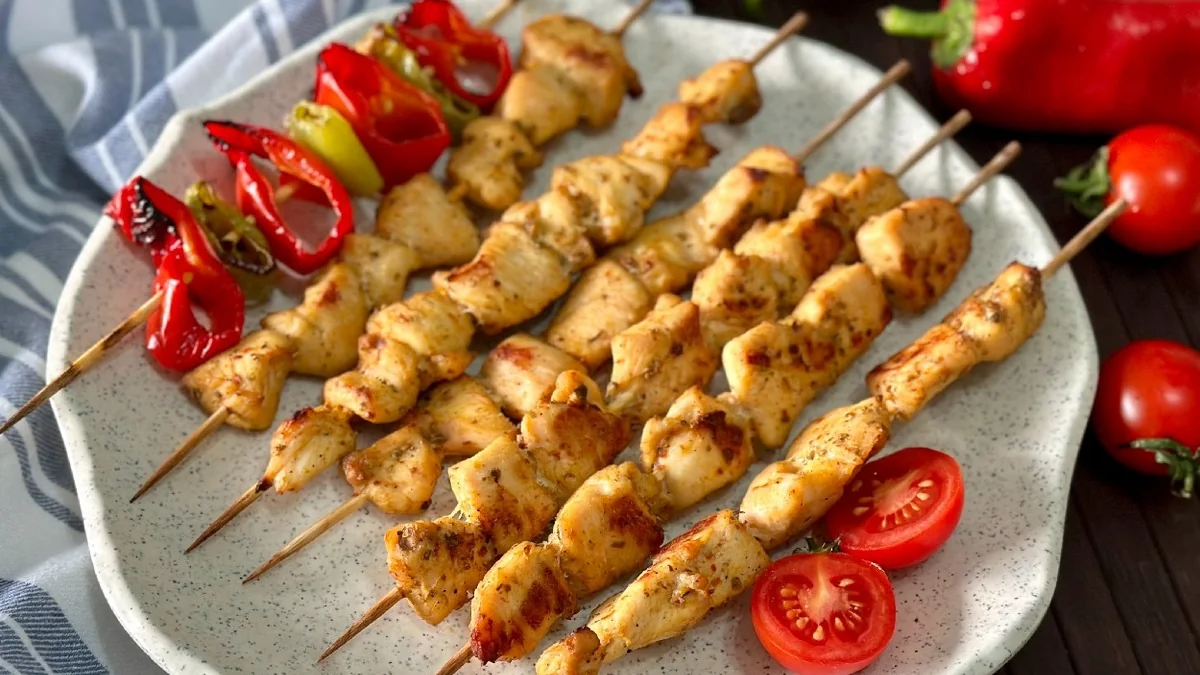
Healthy adults need at least 0.8 g of protein per kilogram of body weight per day, the RDA. People who exercise regularly, or want to keep muscle while losing weight, do better on 1.4–2.0 g/kg according to the ISSN. For a 70 kg person that is 56 g as a minimum and about 98–140 g when active.
Key takeaways
- The RDA for healthy adults is 0.8 g/kg per day; EFSA's reference is almost the same at 0.83 g/kg.
- The ISSN recommends 1.4–2.0 g/kg per day for most people who exercise.
- At 70 kg, that means 56 g as a minimum and roughly 98–140 g if you train.
- Spreading protein over meals of roughly 20–40 g is a practical way to reach your total.
- People with kidney disease, pregnant women and under-18s should get individual advice first.
What is the minimum amount of protein you need?
For healthy adults, the Recommended Dietary Allowance (RDA) set by the US National Academies is 0.8 g of protein per kilogram of body weight per day. The European Food Safety Authority (EFSA) arrives at almost the same figure, 0.83 g/kg. These values are designed to cover the needs of nearly all healthy adults and prevent deficiency.
The important word is minimum. The RDA was never meant to be the ideal intake for someone who trains, wants to lose fat while keeping muscle, or simply wants meals that keep them full. For those goals, the research supports more.
How much protein do you need if you exercise or want to lose weight?
The International Society of Sports Nutrition (ISSN) position stand on protein and exercise concludes that 1.4–2.0 g/kg per day is enough for most exercising people to build and maintain muscle. Intakes toward the upper end of that range are often used during a calorie deficit, when the goal is to lose fat while keeping as much muscle as possible.
Here is what those ranges mean for a 70 kg person:
| Situation | Guideline | Daily protein at 70 kg |
|---|---|---|
| Healthy adult, minimum | 0.8 g/kg (RDA) | 56 g |
| Healthy adult, EFSA reference | 0.83 g/kg | ≈ 58 g |
| Regular exercise | 1.4–1.6 g/kg | 98–112 g |
| Hard training or fat loss with exercise | 1.6–2.0 g/kg | 112–140 g |
If you carry a lot of extra weight, calculating from your full body weight can give a very high number. In that case many people use their goal weight instead, which gives a more realistic target. A dietitian can help you choose.
Use the calculator to get your own range:
Daily protein calculator
0.8 g/kg is the adult RDA; 1.4–2.0 g/kg is the ISSN range for people who exercise. Kidney disease needs medical advice.
Worked example: a 30-year-old woman, 70 kg, 165 cm
Imagine a moderately active 30-year-old woman who weighs 70 kg, is 165 cm tall and aims for about 1,700 kcal a day to lose weight (see how many calories to eat to lose weight for how that number is calculated). She lifts weights three times a week.
- Minimum (0.8 g/kg): 70 × 0.8 = 56 g
- A practical target (1.6 g/kg): 70 × 1.6 = 112 g
- Upper end (2.0 g/kg): 70 × 2.0 = 140 g
Protein provides 4 kcal per gram, so 112 g equals 448 kcal, about 26 % of her 1,700 kcal. That sits comfortably inside the 10–35 % range for protein recommended by the National Academies, leaving plenty of room for carbohydrates and fat. Our guide to macros shows how to split the rest.
Split over three meals and one snack, 112 g works out to roughly 28 g each time. That is a realistic amount: a couple of eggs with yogurt in the morning, a chicken or fish portion at lunch and dinner, and a dairy-based snack in the afternoon. If she went down to the bare minimum of 56 g instead, she would likely feel hungrier on 1,700 kcal and could lose more muscle along with fat.
What does 100+ g of protein look like in a day?
Numbers become easier once you see them as meals. Here is one example day built with Sporty's per-serving estimates; real values depend on the recipe and portion.
| Meal | Dish | Calories | Protein |
|---|---|---|---|
| Breakfast | Oats, yogurt and fruit | 390 kcal | 22 g |
| Lunch | Chicken Caesar salad | 480 kcal | 38 g |
| Snack | Cottage cheese and walnut fruit bowl | 280 kcal | 26 g |
| Dinner | Grilled salmon | 460 kcal | 40 g |
| Total | 1,610 kcal | 126 g |
That day reaches about 1.8 g/kg for a 70 kg person while staying under 1,700 kcal. A more traditional Turkish day works too: menemen with white cheese for breakfast (28 g), a bowl of red lentil soup at lunch (13 g) and chicken shish with shepherd's salad for dinner (49 g) add up to about 90 g of protein for roughly 1,250 kcal, leaving room for a yogurt or a protein shake (30 g).
Should you spread protein across the day?
Total daily protein matters most. Beyond that, the ISSN position stand suggests that spreading intake into meals of roughly 20–40 g every few hours is a sensible way to support muscle. In practice, this means not saving most of your protein for dinner. Breakfast is where many people fall short; if that is you, our list of high-protein breakfast ideas is a good place to start.
Which foods are the best protein sources?
Both animal and plant foods can cover your needs. What changes is how many calories come with each gram of protein:
- Lean animal foods such as chicken breast, fish, eggs, low-fat yogurt and cottage cheese give a lot of protein for relatively few calories. Chicken shish, for example, is estimated at 46 g of protein for 380 kcal.
- Legumes such as lentils, chickpeas and beans bring protein together with fibre and carbohydrates. Red lentil soup is estimated at 13 g of protein per 250 kcal bowl.
- Higher-fat options like sucuk, cheeses and fatty cuts deliver protein along with a lot of fat. Eggs with sucuk are estimated at 24 g of protein but 38 g of fat.
If you eat mostly plant foods, combining different sources across the day (legumes, whole grains, nuts, seeds, soy) helps you get a complete mix of amino acids. Nutrient data for individual ingredients can be checked in USDA FoodData Central.
Is a high-protein diet safe?
For healthy adults, intakes within the 1.4–2.0 g/kg range are widely used and supported by the ISSN position stand. Some people should get individual advice before raising protein: anyone with kidney disease or reduced kidney function, people who are pregnant or breastfeeding, and anyone under 18. If any of these apply to you, speak to a doctor or registered dietitian first.
Also remember that protein still has calories. Adding a shake on top of an unchanged diet adds about 300 kcal; swapping it for a lower-protein snack is what improves your balance.
How do you know if you are getting enough?
Most people have no idea how much protein they eat until they track it for a few days. Logging your normal meals for one week is usually enough to spot the gap, which is most often at breakfast or in snacks. Sporty shows protein next to calories for every meal you log, whether you snap a photo, scan a barcode or type a description, so you can see at a glance how close you are to your target.
Once you know your pattern, you rarely need precise counting. A palm-sized portion of lean protein at each main meal, plus one protein-rich snack, gets most active adults close to 1.4–1.6 g/kg.
Frequently asked questions
How much protein do I need to lose weight?
Many people aim for 1.6–2.0 g per kg of body weight during a calorie deficit, especially if they do strength training, to help keep muscle. For a 70 kg person that is about 112–140 g a day.
Is 100 g of protein a day too much?
For most healthy adults, no. 100 g is about 1.4 g/kg for a 70 kg person, which is at the lower end of the ISSN range for people who exercise. People with kidney disease should ask their doctor first.
Should I use my current weight or goal weight?
Use your current weight if you are near a healthy weight. If you have a lot of weight to lose, using your goal weight usually gives a more realistic target.
Can I get enough protein without meat?
Yes. Eggs, dairy, legumes, soy, whole grains, nuts and seeds can all contribute; combining several sources across the day makes it easier to reach your target.
Sources
This article is general information, not medical advice. If you have a health condition, are pregnant or under 18, talk to a doctor or registered dietitian before changing your diet.