

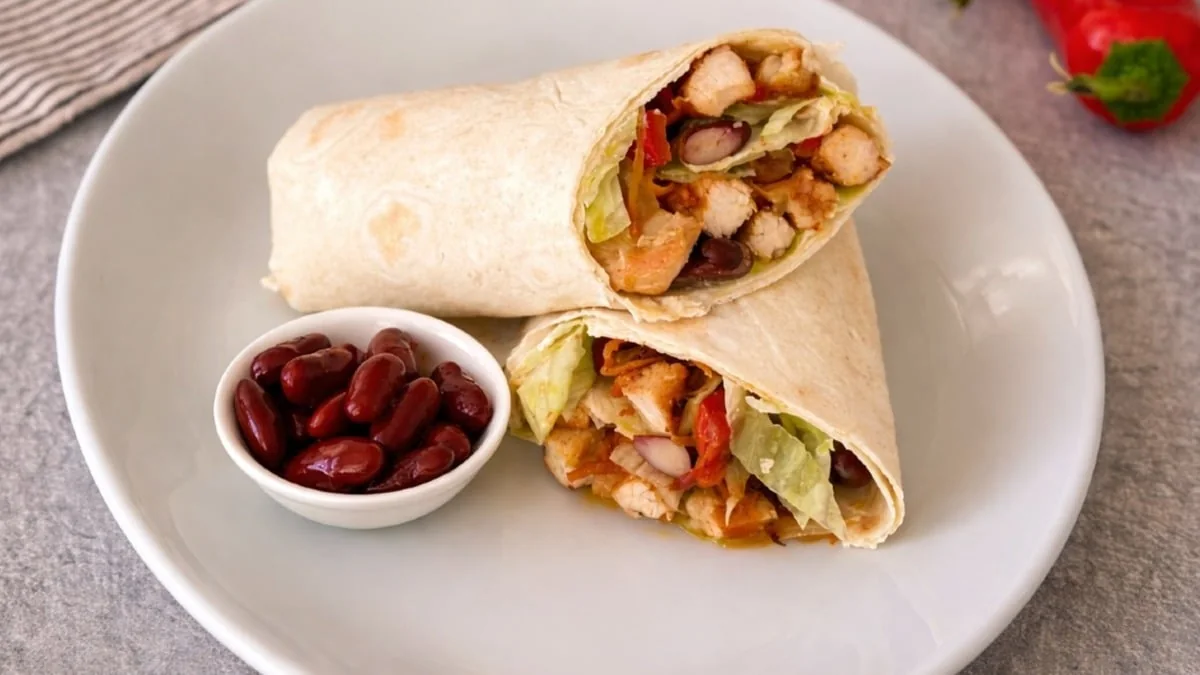
The burrito has the most calories at about 650 kcal per serving, spaghetti bolognese follows at 620 kcal and a margherita pizza is lightest at 560 kcal. The twist is protein: the pizza has 23 g, while the pasta and the burrito bring 32 to 34 g, so the lightest plate is also the lowest in protein.
Key takeaways
- Burrito: about 650 kcal; spaghetti bolognese: 620 kcal; margherita pizza: 560 kcal (per-serving estimates).
- The gap from highest to lowest is only 90 kcal, less than a tablespoon of olive oil adds.
- Per 100 kcal, the burrito and the bolognese have about 5.2 g of protein and the pizza 4.1 g.
- All three carry 72 to 74 g of carbohydrates and get roughly a third of their calories from fat.
- Chicken fajitas (460 kcal, 38 g protein) are a lighter option from the same kitchen as the burrito.
How do pizza, pasta and burrito compare side by side?
Three of the most ordered comfort meals in the world, one simple question: which one has the most calories? We put a margherita pizza, a plate of spaghetti bolognese and a beef burrito from our meal catalog next to each other. All numbers below are our per-serving estimates; real values depend on the recipe, the size of the portion and how much cheese, oil or sauce ends up on it.
| Dish | kcal | Protein | Carbs | Fat |
|---|---|---|---|---|
| Margherita Pizza | 560 | 23 g | 72 g | 20 g |
| Spaghetti Bolognese | 620 | 32 g | 74 g | 20 g |
| Burrito | 650 | 34 g | 74 g | 22 g |
The servings behind those numbers:
- Margherita pizza: 150 g of dough with 80 g of mozzarella, tomato sauce, basil and olive oil. 560 kcal, 23 g protein.
- Spaghetti bolognese: 100 g of spaghetti (dry weight) with 120 g of lean ground beef in a tomato sauce with onion, carrot and celery. 620 kcal, 32 g protein.
- Burrito: a large wheat tortilla filled with 110 g of seasoned beef, 60 g of cooked rice, black beans, cheese, salsa and lettuce. 650 kcal, 34 g protein.
Which one has the most calories?
The burrito, at about 650 kcal. Spaghetti bolognese follows at 620 kcal, and the margherita pizza is the lightest of the three at 560 kcal. That is a spread of only 90 kcal from top to bottom, and just 30 kcal between the burrito and the pasta.
To put it in daily terms: on a 2,000 kcal day, the pizza is 28% of your energy, the pasta 31% and the burrito about 33%. In practice, that gap is smaller than the difference one recipe choice can make. According to USDA FoodData Central, a tablespoon of olive oil has about 120 kcal, so an extra drizzle on the pizza or a heavier hand with cheese in the burrito can easily reorder the ranking. Treat these numbers as a fair comparison of typical servings, not a fixed verdict.
Where do the calories come from?
Protein and carbohydrates have about 4 kcal per gram and fat about 9, so each meal can be split into its sources:
| Meal | From protein | From carbs | From fat |
|---|---|---|---|
| Margherita pizza | 16% | 51% | 32% |
| Spaghetti bolognese | 21% | 48% | 29% |
| Burrito | 21% | 46% | 30% |
(Percentages are rounded and calculated from the catalog grams, so they do not always add up to exactly 100.) The surprise is how similar they are. All three carry 72 to 74 g of carbohydrates, from the dough, the spaghetti or the tortilla plus rice, and all three get roughly a third of their calories from fat. Each of them sits close to the middle of the ranges the National Academies give for a whole day's diet: 45–65% of energy from carbohydrates and 20–35% from fat. The real difference is protein.
Who wins on protein?
The burrito, narrowly, with the pasta right behind. The burrito has 34 g of protein and the bolognese 32 g, both about 5.2 g per 100 kcal. The pizza has 23 g, or 4.1 g per 100 kcal. So the lightest of the three is also the one with the least protein: for 60 to 90 kcal more, the pasta and the burrito give you 9 to 11 g more.
Why does that matter? A 2015 review in the American Journal of Clinical Nutrition (Leidy and colleagues) linked meals with roughly 25 to 30 g of protein with better appetite control and weight management. The authors describe protein's effect on fullness as modest, so think of it as a helpful nudge rather than a guarantee. Only the bolognese and the burrito reach that range on their own; the pizza gets close.
What about fibre and salt?
Our catalog does not list fibre per dish, but the ingredients give a clue. The burrito has black beans, and the bolognese sauce is built on tomato, onion, carrot and celery. The margherita has tomato sauce, but most of its bulk is white dough and cheese. The WHO recommends eating plenty of vegetables, fruit, pulses and whole grains, so the beans and the vegetable-based sauce count in favour of the burrito and the pasta.
Salt is a shared weak spot. Cheese, a seasoned filling, salsa, tortillas, pizza dough and a well-salted sauce all add sodium, and the WHO recommends less than 5 g of salt a day for adults, about one teaspoon. We do not have per-dish salt values, but a practical rule helps: skip extra salt and parmesan at the table and go easy on salty sides.
Are there lighter options in the same kitchens?
If you like the flavours but want a lighter plate, the same cuisines offer plenty. These are our per-serving estimates:
| Instead of | Try | kcal | Protein |
|---|---|---|---|
| Burrito (650 kcal) | Chicken fajitas | 460 | 38 g |
| Burrito (650 kcal) | Chili con carne | 480 | 34 g |
| Burrito (650 kcal) | Chicken tacos | 480 | 32 g |
| Bolognese (620 kcal) | Tuna pasta | 540 | 32 g |
| Bolognese (620 kcal) | Shrimp pasta | 560 | 30 g |
| Margherita (560 kcal) | Lahmacun | 430 | 20 g |
Chicken fajitas are the standout: 190 kcal less than the burrito with 4 g more protein. Not every pasta dish is lighter, though. Lasagna and mac and cheese are both about 620 kcal, the same as the bolognese, and pesto pasta is 560 kcal with only 17 g of protein. For more ideas, see our guide to lighter pasta meals.
How can you make each one lighter?
- Pizza: add a side salad or a protein side such as yogurt instead of a second slice, and go easy on extra cheese and oil toppings.
- Pasta: keep the meat sauce generous and the spaghetti portion moderate, add extra vegetables to the sauce, and measure grated cheese rather than pouring it.
- Burrito: ask for extra beans and salad, lighter cheese and no sour cream, or order it as a bowl and add the tortilla back only if you are still hungry.
- All three: sides and drinks are where calories quietly add up. Garlic bread, chips and sugary drinks are not included in any of the numbers above. Our restaurant guide has more ordering tips.
What does a full day look like with one of them?
A worked example with catalog numbers. Say your daily target is about 1,800 kcal and you want a burrito for lunch:
| Meal | Dish | Calories | Protein |
|---|---|---|---|
| Breakfast | Oats, yogurt and fruit | 390 kcal | 22 g |
| Lunch | Burrito | 650 kcal | 34 g |
| Snack | Yogurt and fruit | 230 kcal | 16 g |
| Dinner | Grilled fish and vegetables | 450 kcal | 48 g |
| Total | 1,720 kcal | 120 g |
Swap the burrito for spaghetti bolognese and the day comes to 1,690 kcal with 118 g of protein. Choose the margherita instead and it drops to 1,630 kcal with 109 g. All three versions fit under the same target, which is the real point: one meal does not make or break a week. Your own number depends on your body and activity.
So which should you order?
The one you actually want. There is no "good" or "bad" option here, and any of these fits into a balanced week. If you are tracking, the numbers say this: the burrito is the highest at about 650 kcal, the pizza is the lowest at 560 kcal but also the lowest in protein, and the bolognese sits in between with nearly as much protein as the burrito. For a similar showdown with other takeaway favourites, see döner vs burger vs pizza. If you would rather not look anything up, Sporty can estimate a pizza, a pasta plate or a burrito from a photo and show how many calories you have left for the day.
This is general information, not medical advice. If you have high blood pressure, kidney disease or another medical condition that affects what you eat, talk to a doctor or registered dietitian.
Frequently asked questions
Which has more calories, pizza or pasta?
In our catalog a plate of spaghetti bolognese is about 620 kcal and a margherita pizza about 560 kcal. The pasta also has more protein (32 g vs 23 g).
How many calories are in a burrito?
Our per-serving estimate for a beef burrito with rice, black beans, cheese and salsa in a large wheat tortilla is about 650 kcal with 34 g of protein. Size, cheese and extras such as sour cream change it a lot.
Which is the most filling of the three?
Fullness varies by person, but protein helps modestly. The burrito (34 g) and the bolognese (32 g) reach the roughly 25 to 30 g per meal linked with better appetite control; the pizza has 23 g.
Can I eat pizza, pasta or burritos while losing weight?
Yes. Weight change depends on your total intake over time, not on single meals. Logging the meal and balancing the rest of the day is usually enough.
Sources
This article is general information, not medical advice. If you have a health condition, are pregnant or under 18, talk to a doctor or registered dietitian before changing your diet.