
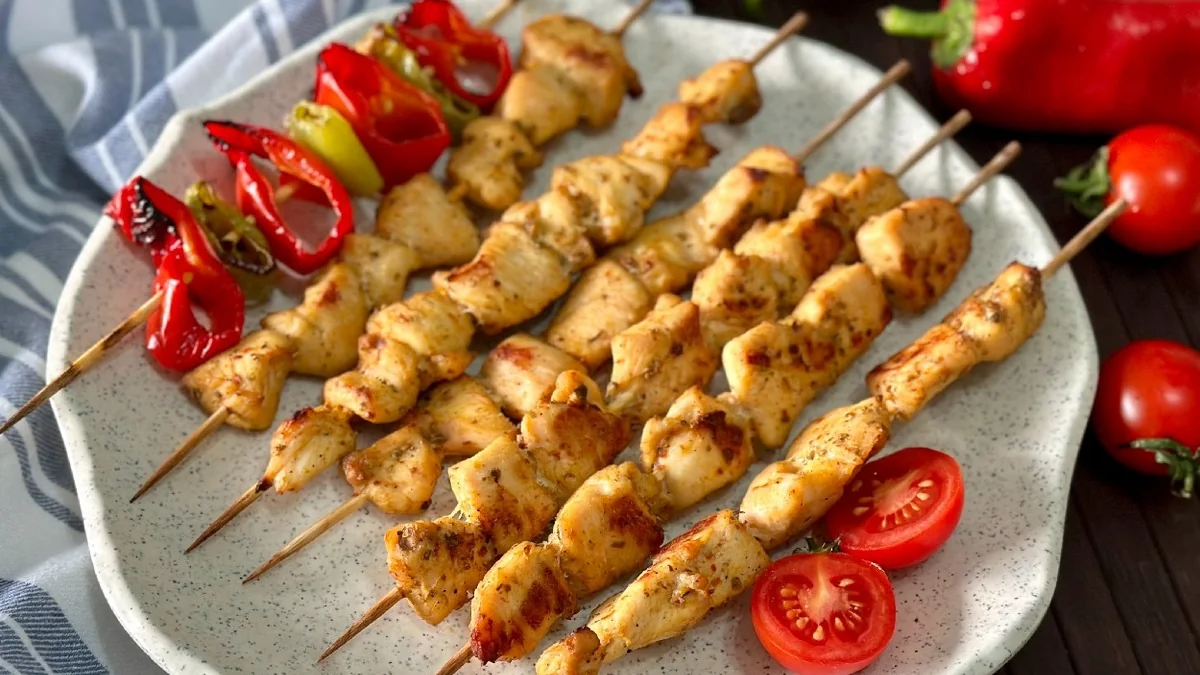
Yes, you can eat out and still lose weight, because progress depends on your total intake across the week. Choose grilled protein with vegetables, ask for sauces on the side and watch bread, drinks and dessert. A chicken shish plate with salad and cacık is about 660 kcal, versus 970 kcal for lentil soup plus İskender.
Key takeaways
- One restaurant meal does not cancel a calorie deficit; the weekly average matters most.
- Chicken shish is about 380 kcal and İskender about 720 kcal (Sporty estimates).
- Sides change the total: the same kebab house meal can range from about 660 to 970 kcal.
- Fat has 9 kcal per gram, so extra butter, oil and creamy sauces add up quickly.
- Drinks and dessert are easy to forget: alcohol has 7 kcal per gram.
Can you eat out and still lose weight?
Yes. Weight change depends on your total intake over days and weeks, not on where a single meal was cooked. A restaurant dinner does not cancel a calorie deficit. What usually makes the difference is how often you eat out, what you order and what arrives alongside the main dish: bread, sauces, drinks and dessert.
This guide uses Sporty's per-serving estimates for common restaurant dishes. Real values depend on the recipe, the cooking fat and the portion a particular kitchen serves, so treat the numbers as a realistic guide rather than exact figures.
Why do restaurant meals often have more calories?
Restaurant food is not unusual in itself. The difference is mostly in the details you cannot see from the menu:
- Cooking fat. Kitchens use butter and oil generously because they add flavour. Fat has 9 kcal per gram, more than twice the 4 kcal per gram of protein or carbohydrate, so an extra 10 g of fat on a plate adds about 90 kcal.
- Portion size. A restaurant serving is often bigger than what you would put on your own plate, and most people finish what they are served.
- Extras. The bread basket, a starter, a sweet drink and a shared dessert can together add more than the main dish itself.
- Sauces and dressings. Creamy sauces, butter on top and oily dressings are where a lot of the fat hides.
None of this means you have to avoid restaurants. It means a few deliberate choices go a long way.
What are lighter choices at common restaurants?
The table compares a lighter and a heavier option at the kinds of places people eat at most often. Both can fit in a weight-loss plan; the point is to know the gap.
| Restaurant type | Lighter option | Heavier option | Difference |
|---|---|---|---|
| Kebab house | Chicken shish: 380 kcal, 46 g protein | İskender: 720 kcal, 40 g protein | 340 kcal |
| Fish restaurant | Baked sea bream: 400 kcal, 42 g protein | Grilled salmon: 460 kcal, 40 g protein | 60 kcal |
| Burger place | Chicken burger: 540 kcal, 36 g protein | Hamburger: 640 kcal, 34 g protein | 100 kcal |
| Italian | Chicken Caesar salad: 480 kcal, 38 g protein | Spaghetti bolognese: 620 kcal, 32 g protein | 140 kcal |
| Mexican | Chicken fajitas: 460 kcal, 38 g protein | Burrito: 650 kcal, 34 g protein | 190 kcal |
| Asian | Sushi rolls: 420 kcal, 18 g protein | Pad thai with chicken: 580 kcal, 32 g protein | 160 kcal |
Two patterns stand out. First, grilled or baked protein without much bread or creamy sauce tends to be the lightest choice on almost any menu. Second, "lighter" is not always "better" for your goal: sushi rolls are lower in calories than pad thai, but they also have much less protein, so they may keep you full for a shorter time. Salmon costs 60 kcal more than sea bream but is still a solid choice. The kebab calorie guide goes through more kebab options in detail.
How do you build a lighter restaurant meal?
The sides you add often matter as much as the main dish. Here are four full meals at a Turkish kebab house, built from the same estimates:
| Meal | Calories | Protein |
|---|---|---|
| Lentil soup + İskender | 970 kcal | 53 g |
| Lentil soup + Adana kebab | 870 kcal | 49 g |
| Chicken shish + bulgur pilaf + cacık | 790 kcal | 61 g |
| Chicken shish + shepherd's salad + cacık | 660 kcal | 56 g |
The last plate is 310 kcal lighter than the first and has more protein. Nobody has to give up the soup or the yogurt; the swap is in the main dish and the starch. If you love İskender, an easy middle ground is to ask for less butter, or to share it and add a chicken shish for the table.
Which ordering habits make the biggest difference?
- Look at the menu before you go. Deciding at home is easier than deciding when you are hungry and the next table just got a sizzling plate.
- Start with protein and vegetables. Grilled meat, chicken or fish with a salad gives you a filling base. A soup or a salad before the main dish can also take the edge off your hunger.
- Ask for sauces and dressings on the side. You still get the flavour, and you decide how much goes on.
- Decide about the bread once. Take one piece and move the basket, rather than reaching for it all evening.
- Eyeball your portion. A palm-sized piece of protein and a fist of starch are a helpful reference; the portion sizes without a scale guide explains the hand method. You can always take the rest home.
- Eat slowly. Conversation is part of eating out. Pausing between bites gives you a better sense of when you have had enough.
How does eating out fit into a weekly calorie target?
It helps to think in weeks rather than single meals. Suppose your daily target creates a deficit of about 500 kcal. Over seven days that is about 3,500 kcal, which by the rough 7,700 kcal per kilogram rule is close to 0.45 kg of body fat. The rule is only an approximation, and the scale also moves with water weight and other factors.
Now suppose a restaurant dinner comes in 400 kcal above what you would normally eat for that meal. That uses a little over a tenth of the weekly deficit. Progress slows slightly; it does not stop. Problems only start when restaurant meals, drinks and desserts happen so often that the weekly average climbs back to maintenance.
A sensible approach is to have a lighter breakfast or lunch on a day you know you will eat out, without skipping meals entirely. Arriving very hungry makes it harder to choose calmly. Do not try to make up for a big dinner by eating extremely little the next day either: going below about 1,200 kcal a day for women or 1,500 kcal for men should only happen under medical supervision.
What about drinks and dessert?
Drinks are easy to forget. Alcohol has 7 kcal per gram, nearly as much as fat, and cocktails or sweet drinks add sugar on top. Water, mineral water, ayran or unsweetened tea are simple swaps. If you do drink, the guide to calories in beer, wine and rakı shows how quickly they add up.
WHO advises keeping free sugars below 10% of total energy intake, and many desserts take a large share of that in one go. That does not make dessert off-limits. Sharing one with the table, or choosing fruit, is an easy way to enjoy the end of the meal. The same WHO guidance recommends less than 5 g of salt a day, which is worth keeping in mind with salty starters and pickles.
How do you keep track without spoiling the meal?
You do not need to weigh anything at a restaurant. A rough estimate is enough to keep your week on track. Taking a quick photo of your plate and logging it later works well; Sporty can estimate a restaurant plate from a photo, sides included, and you can adjust the portion if the estimate looks off.
This is general information, not medical advice. If you are pregnant, have diabetes, kidney disease or a history of disordered eating, or are under 18, talk to a doctor or registered dietitian about an approach that suits you.
Frequently asked questions
How often can I eat out while losing weight?
There is no fixed limit. What matters is whether your weekly average stays below maintenance, so occasional restaurant meals fit easily, while daily ones need more careful choices.
What is the lightest thing to order at a kebab house?
In Sporty's catalog, chicken shish is about 380 kcal per serving with 46 g of protein. Adding shepherd's salad and cacık brings the plate to about 660 kcal.
Should I skip meals before eating out?
No. A slightly lighter breakfast or lunch is fine, but arriving very hungry makes it harder to order calmly and stop when you are full.
How do I log a restaurant meal without weighing it?
A rough estimate is enough. Take a photo, log the main dish and sides, and use hand-based portions as a guide when the serving looks larger than usual.
Sources
This article is general information, not medical advice. If you have a health condition, are pregnant or under 18, talk to a doctor or registered dietitian before changing your diet.