
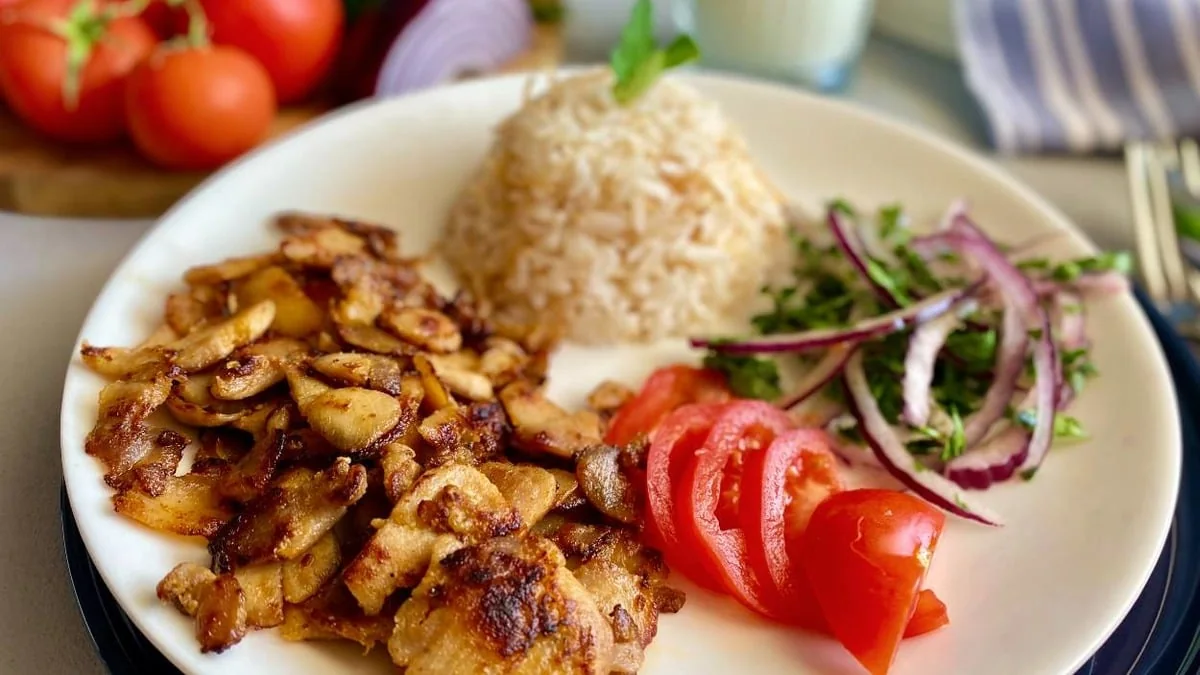
The cheeseburger has the most calories at about 640 kcal per serving. A chicken döner wrap and a margherita pizza tie at 560 kcal, but the döner brings 38 g of protein against the pizza's 23 g. All three are bread-based, and bread is the biggest single source of salt in Türkiye.
Key takeaways
- Hamburger: 640 kcal; chicken döner wrap and margherita pizza: 560 kcal each (Sporty estimates).
- Per 100 kcal, the döner has 6.8 g of protein, the burger 5.3 g and the pizza 4.1 g.
- About half of the burger's calories come from fat; half of the pizza's come from carbohydrates.
- In Türkiye's SALTURK II study, bread supplied about 34% of salt, and average intake was 14.8 g a day.
- WHO recommends less than 5 g of salt a day; the global average is about 11 g.
How do döner, burger and pizza compare side by side?
Three of the most ordered fast meals in Türkiye, one simple question: which one has the most calories? We compared a chicken döner wrap, a beef cheeseburger and a margherita pizza from our meal catalog, and added two Turkish favourites for context: lahmacun and İskender, which is made with meat döner. All numbers are Sporty's per-serving estimates; real values depend on the recipe, the size of the wrap or bun and how much sauce goes on.
| Dish | kcal | Protein | Carbs | Fat |
|---|---|---|---|---|
| Chicken Döner Wrap | 560 | 38 g | 50 g | 22 g |
| Hamburger | 640 | 34 g | 46 g | 34 g |
| Margherita Pizza | 560 | 23 g | 72 g | 20 g |
| Lahmacun | 430 | 20 g | 56 g | 14 g |
| Iskender Kebab | 720 | 40 g | 48 g | 40 g |
The catalog servings behind those numbers:
- Chicken döner wrap: 120 g chicken döner in a lavash with lettuce, tomato, onion and two tablespoons of yogurt sauce. 560 kcal, 38 g protein.
- Hamburger: a 150 g beef patty in a bun with a cheddar slice, salad, pickles and mustard. 640 kcal, 34 g protein.
- Margherita pizza: 150 g of dough with 80 g of mozzarella, tomato sauce and basil. 560 kcal, 23 g protein.
Which one has the most calories?
The burger, at 640 kcal. The döner wrap and the margherita pizza tie at 560 kcal, 80 kcal behind. If you count İskender as the "döner on a plate" version, it goes higher still: 720 kcal, mostly because of the pide underneath and the melted butter on top.
To put it in daily terms: on a 2,000 kcal day, the burger is 32% of your energy, the döner wrap and the pizza 28% each, and İskender 36%. Lahmacun is the lightest of the five at 430 kcal, about 21%.
How do they compare with other takeaway favourites?
Döner, burger and pizza are global now, so here is how they sit next to other popular orders in the same catalog: a beef burrito is about 650 kcal (34 g protein), pad thai with chicken 580 kcal (32 g), ramen 560 kcal (30 g), a poke bowl 540 kcal (34 g) and sushi rolls 420 kcal (18 g). In other words, most takeaway mains land between about 500 and 700 kcal. The bigger differences are in protein and in what comes on the side.
Where do the calories come from?
Same calorie total does not mean the same food. Protein and carbohydrates have about 4 kcal per gram and fat about 9, so we can split each meal into its sources:
| Meal | From protein | From carbs | From fat |
|---|---|---|---|
| Chicken döner wrap | 27% | 36% | 35% |
| Hamburger | 21% | 29% | 48% |
| Margherita pizza | 16% | 51% | 32% |
| İskender | 22% | 27% | 50% |
(Percentages are rounded and calculated from the catalog grams, so they do not always add up to exactly 100.) The burger and İskender get about half of their calories from fat: cheese and beef in one, butter and döner meat in the other. The pizza is the carbohydrate meal: 72 g, the most of the three, from the dough. The döner wrap is the most balanced split.
Who wins on protein and fullness?
The chicken döner wrap. It has the most protein in absolute terms (38 g) and per calorie: 6.8 g of protein per 100 kcal, against 5.3 g for the burger and 4.1 g for the pizza. The pizza and the döner have the same calories, but the döner gives 15 g more protein.
Why does that matter? A 2015 review in the American Journal of Clinical Nutrition linked about 25 to 30 g of protein per meal with better appetite control and weight management. The authors describe protein's effect on fullness as modest, and in short studies it did not reduce how much people ate at the next meal, so think of it as a helpful nudge rather than a guarantee. All three meals reach 23 g or more; only the döner and the burger clear 30 g.
The number nobody counts: salt
All three of these meals are built on bread: lavash, a bun or pizza dough. That matters in Türkiye. The SALTURK II study, which measured 24-hour urine in 657 adults in Ankara, İstanbul, İzmir and Konya, found an average salt intake of 14.8 g per day, and bread was the single largest source, about 34% of the salt people recorded eating. Salt added during cooking came next at 30%, and processed foods at 21%.
The World Health Organization recommends less than 5 g of salt a day for adults, about one teaspoon. Its sodium fact sheet puts the average adult intake in 2021 at around 11 g of salt a day, more than double that limit, and estimates that about 1.7 million deaths a year are associated with eating too much sodium. Fast meals are a big part of that picture because of the bread, cheese, pickles and sauces they combine. We do not have per-dish salt values in our catalog, but a practical rule helps: skip extra salt at the table, go easy on salty sauces and pickles, and drink water or ayran without added salt.
How can you make each one lighter?
- Döner: ask for more salad and less sauce. A wrap is already a lighter choice than a portion served over pide with butter, as in İskender. More detail on the chicken döner calorie page.
- Burger: a grilled chicken burger in the catalog is 540 kcal with 36 g protein, about 100 kcal less than the beef cheeseburger with slightly more protein. A lean high-protein burger is 480 kcal with 40 g.
- Pizza: add a protein side such as a salad with chicken or yogurt, or swap to lahmacun with plenty of parsley and lemon: 430 kcal, 130 kcal less than the margherita.
- All three: sides and drinks are where the calories quietly add up. Fries and sugary drinks are not included in any of the numbers above.
What does a full day look like with one of them?
A worked example with catalog numbers. Say your daily target is about 1,800 kcal and you want döner for lunch:
| Meal | Dish | Calories | Protein |
|---|---|---|---|
| Breakfast | Menemen and white cheese | 460 kcal | 28 g |
| Lunch | Chicken döner wrap | 560 kcal | 38 g |
| Snack | Yogurt and fruit | 230 kcal | 16 g |
| Dinner | Red lentil soup + shepherd's salad | 410 kcal | 16 g |
| Total | 1,660 kcal | 98 g |
Swap the döner for the burger and the day rises to 1,740 kcal with 94 g of protein; still under target. Choose the pizza instead and calories stay the same, but protein drops to 83 g, so adding a bowl of cacık to dinner would be a simple way to top it up. Your own number depends on your body and activity; see how many calories to lose weight.
So which should you order?
The one you want. There is no "good" or "bad" option here; any of these fits into a balanced week. If you are tracking calories, the numbers say: the burger is the highest, the döner wrap gives the most protein for its calories, and the pizza is the most carbohydrate-heavy. If you have about 500 kcal left for the day, see what to eat with 500 calories left. For more Turkish grill options, see which kebab is lightest. If you would rather not look anything up, Sporty can estimate a döner, burger or pizza from a photo.
This is general information, not medical advice. If you have high blood pressure or kidney disease, talk to a doctor or registered dietitian about your salt intake.
Frequently asked questions
Which has more calories, döner or pizza?
In Sporty's catalog a chicken döner wrap and a margherita pizza are both about 560 kcal per serving. The döner has more protein (38 g vs 23 g); the pizza has more carbohydrates.
Is a burger higher in calories than döner?
Yes, in our catalog a beef cheeseburger is about 640 kcal and a chicken döner wrap about 560 kcal. Real values depend on size, cheese and sauces.
Is lahmacun lighter than pizza?
In our catalog lahmacun is about 430 kcal and a margherita pizza about 560 kcal, so lahmacun is about 130 kcal lighter per serving.
How much salt should I eat per day?
WHO recommends less than 5 g of salt a day for adults, about one teaspoon. In Türkiye, a 2017 study measured an average of 14.8 g a day.
Can I eat döner, burger or pizza while losing weight?
Yes. Weight change depends on your total intake over time, not single meals. Logging the meal and balancing the rest of the day is usually enough.
Sources
This article is general information, not medical advice. If you have a health condition, are pregnant or under 18, talk to a doctor or registered dietitian before changing your diet.