

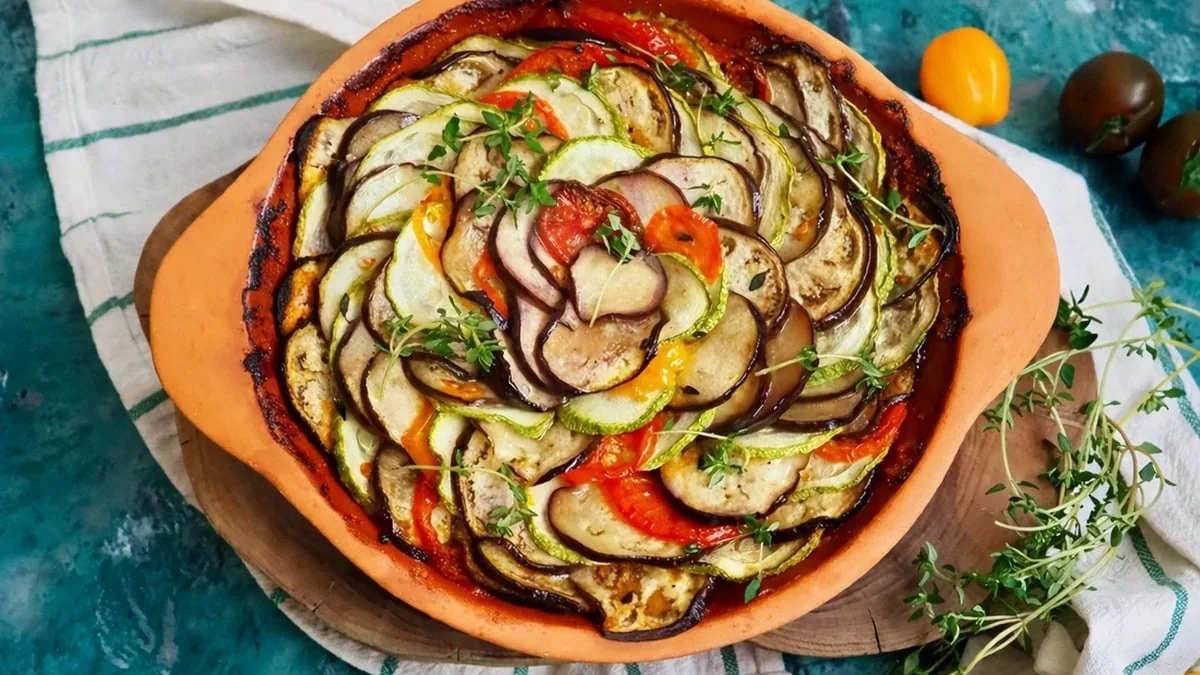
Herbs and spices are used in pinches, so they add almost no calories while replacing some of the oil, butter, cream and salt that lighter cooking leaves out. A tablespoon of oil adds about 120 kcal. The WHO advises less than 5 g of salt a day and recommends herbs and spices instead of salt.
Key takeaways
- Herbs and spices add flavour in tiny amounts; a tablespoon of oil adds about 120 kcal.
- The WHO recommends under 5 g of salt a day; adults averaged about 11 g worldwide in 2021.
- Acids such as lemon, vinegar and sumac make lighter food taste finished.
- Spice-led dishes can be light: red lentil soup is about 250 kcal, chicken shish about 380 kcal (Sporty estimates).
- No spice burns fat, and seasoning blends and stock cubes can hide salt.
Why do herbs and spices matter when you are cutting calories?
When people trim calories, food often loses flavour first: less butter, less oil, smaller portions of cheese and sauce. Herbs and spices fill that gap. They are used in pinches and spoonfuls rather than in large amounts, so their energy contribution is tiny next to the fats and sauces they can partly replace. A tablespoon of oil, by contrast, adds about 120 kcal (13.5 g × 9 kcal per gram of fat).
They also help with salt. The WHO advises adults to eat less than 5 g of salt a day and estimates that adults worldwide averaged about 11 g in 2021. One of its practical tips is to use herbs and spices to flavour food rather than salt. The NHS, which sets a limit of 6 g a day for adults, suggests the same: herbs, spices, black pepper, garlic, chilli or lemon juice instead of salt.
Which flavour builders add the most for the fewest calories?
Think in families rather than single spices. Most cuisines combine several of these:
| Family | Examples | Good with |
|---|---|---|
| Fresh herbs | Parsley, dill, mint, basil, coriander | Salads, yogurt, grains, fish, soups |
| Dried herbs | Oregano, thyme, rosemary, dried mint, bay leaf | Roasts, stews, tomato sauces, grilled meat |
| Warm spices | Cumin, paprika, cinnamon, allspice, caraway | Lentils, beans, meatballs, stews, oats |
| Heat | Black pepper, chilli flakes, fresh chilli, ginger | Eggs, stir-fries, soups, marinades |
| Acids | Lemon, lime, vinegar, sumac, pomegranate molasses (a little) | Salads, fish, legumes, grilled vegetables |
| Aromatics | Garlic, onion, spring onion, lemongrass, galangal | Almost everything |
Acids deserve special mention. A squeeze of lemon or a splash of vinegar brightens food and makes it taste "finished", which is often what people miss when they cut back on salt and fat.
What do well-spiced dishes look like in calories?
Many of the lightest dishes in our catalog get their character mostly from herbs, spices and acids rather than from cream or butter. These are Sporty's per-serving estimates; real values depend on the recipe and portion.
| Dish | Main flavourings | Calories | Protein |
|---|---|---|---|
| Ratatouille | Garlic, thyme, basil | 220 kcal | 5 g |
| Ceviche | Lime, chilli, coriander | 220 kcal | 26 g |
| Tom yum goong | Lemongrass, galangal, lime leaves, chilli | 230 kcal | 24 g |
| Red lentil soup | Cumin, paprika, lemon | 250 kcal | 13 g |
| Chicken shish kebab | Yogurt marinade, spices | 380 kcal | 46 g |
| Goulash | Sweet paprika, caraway, garlic | 450 kcal | 34 g |
| Chili con carne | Cumin, chilli powder | 480 kcal | 34 g |
| Dish | kcal | Protein | Carbs | Fat |
|---|---|---|---|---|
| Ratatouille | 220 | 5 g | 26 g | 12 g |
| Ceviche | 220 | 26 g | 12 g | 7 g |
| Tom Yum Goong | 230 | 24 g | 14 g | 9 g |
| Chicken Shish Kebab | 380 | 46 g | 8 g | 18 g |
A chicken shish kebab is a good example: the yogurt and spice marinade gives flavour and tenderness, so the dish needs little added fat and delivers 46 g of protein for about 380 kcal. A bowl of red lentil soup with cumin, paprika and a squeeze of lemon is about 250 kcal. Ratatouille relies on garlic, thyme and basil with one tablespoon of olive oil.
Which combinations work in different cuisines?
If you are not sure where to start, borrow a combination that a cuisine has already perfected:
- Turkish: cumin, dried mint, sumac and chilli flakes for lentils, meatballs and salads.
- Indian: cumin, coriander seed, turmeric, ginger and garam masala for dal and tomato-based curries.
- Mexican: cumin, chilli, oregano, lime and fresh coriander for beans, chicken and fish.
- Thai: lemongrass, galangal, lime leaves, chilli and fish sauce for broths and stir-fries.
- Italian and Greek: garlic, basil, oregano, rosemary and lemon for tomato sauces, fish and roasted vegetables.
How much can one change save? A worked example
Roasted vegetables in our catalog, with zucchini, eggplant, pepper, sweet potato and one tablespoon of olive oil, come to about 240 kcal. Many home recipes use three tablespoons. Cutting back to one and adding garlic, thyme, smoked paprika and a squeeze of lemon at the end keeps the flavour and saves about 240 kcal, the energy of two tablespoons of oil.
How can you swap calories for flavour?
- Creamy dressing → herb yogurt. Plain yogurt with dill, mint, garlic and lemon works on salads, grilled meat and roasted vegetables. Our guide to calories in sauces and dressings shows how quickly creamy and oily sauces add up.
- Extra oil → spice rub. Coat chicken, fish or vegetables in paprika, cumin, garlic and black pepper with a teaspoon of oil instead of a generous pour. Measuring oil is one of the simplest changes; see cooking oils compared.
- Butter topping → toasted spices. Warming cumin or chilli flakes in a dry pan releases their aroma without fat.
- Sugary breakfast → cinnamon and vanilla. Cinnamon on oats, yogurt or fruit adds sweetness of aroma, so less honey or sugar may be needed.
- Salt → acid and herbs. Finish soups and stews with lemon, sumac or fresh parsley before reaching for the salt.
Do any spices burn fat or boost metabolism?
No spice melts fat. You may read that chilli, cinnamon, ginger or turmeric "speed up metabolism", but any effect from normal culinary amounts is small and not a substitute for an overall calorie deficit. Their real value is practical: they make lighter food enjoyable, which makes a healthy pattern easier to keep.
What should you watch out for?
- Blends and cubes can hide salt and sugar. Seasoning mixes, stock cubes, marinades and some spice rubs contain salt, and some contain sugar. Check the label; our guide to salt and sodium limits explains how to read sodium.
- Sauces based on spices are not always light. Curry pastes, pesto and spiced dressings can carry a lot of oil, nuts or coconut milk.
- Supplements are different from cooking. Concentrated turmeric, cinnamon or garlic supplements are not the same as the amounts used in food and may interact with medicines, including blood thinners. Ask a doctor or pharmacist before taking them.
When you log a home-cooked dish, Sporty counts the oil, cheese and sauce that actually carry calories, so a generous handful of herbs never costs you on paper.
Who should get personal advice?
This is general information, not medical advice. If you have high blood pressure, kidney or heart disease, take regular medication, or are pregnant, talk to a doctor or registered dietitian about salt, salt substitutes and supplements.
Frequently asked questions
Do herbs and spices have calories?
They contain some energy, but they are used in such small amounts that their contribution to a meal is tiny compared with oil, butter or creamy sauces.
What can I use instead of salt?
The WHO and the NHS suggest herbs and spices, and the NHS also lists black pepper, garlic, chilli and lemon juice. Acids such as vinegar or sumac also help food taste seasoned.
Does chilli or cinnamon help with weight loss?
Not in a meaningful way on their own. Any effect from normal culinary amounts is small; their value is in making lighter meals enjoyable.
Are spice blends healthy?
Many are, but some blends, stock cubes and marinades contain added salt or sugar. Check the label and choose plain spices when you can.
Was this article helpful?
No ratings yet — be the first.
Tap a star to rate it — your rating helps us improve and helps other readers.
Sources
This article is general information, not medical advice. If you have a health condition, are pregnant or under 18, talk to a doctor or registered dietitian before changing your diet.