
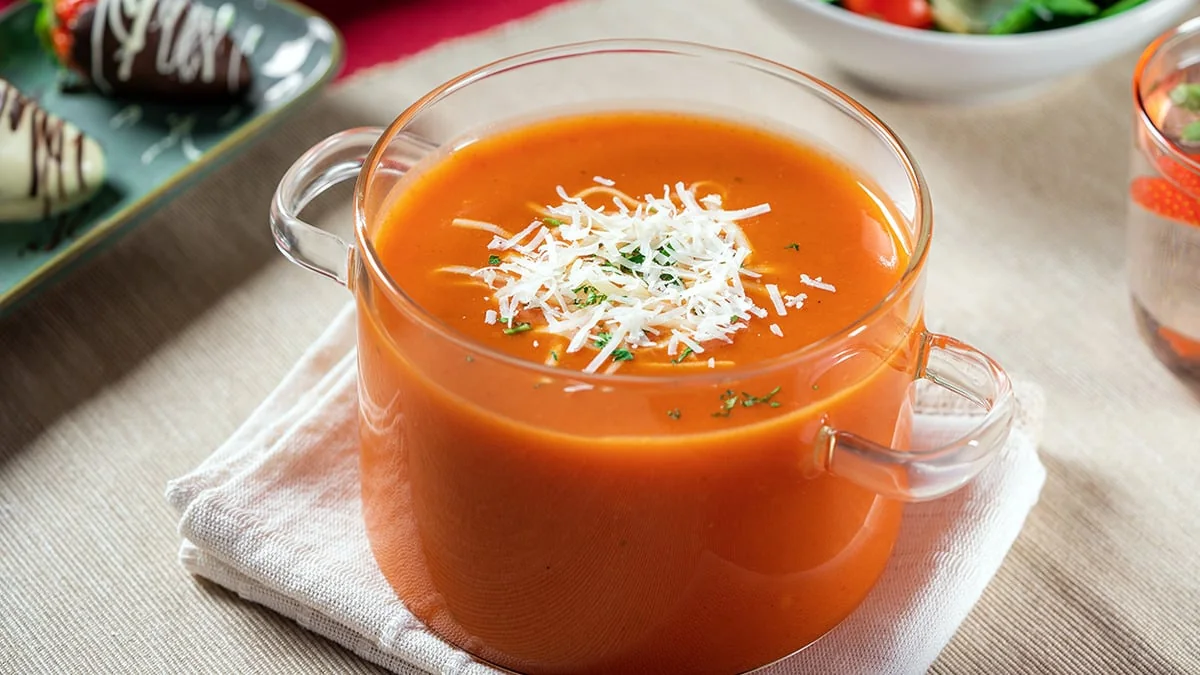
WHO recommends that adults eat less than 5 g of salt a day, about one level teaspoon, which equals under 2,000 mg of sodium. The global average is about 11 g, more than double. Most of it comes from bread, processed meat, cheese, snacks, sauces such as soy sauce, and restaurant or takeaway meals.
Key takeaways
- WHO advises adults to eat less than 5 g of salt (under 2,000 mg sodium) a day, about one teaspoon.
- The global average adult intake is about 11 g of salt a day, more than twice that limit.
- Most salt comes from processed and restaurant foods: bread, cheese, cured meats, snacks, soy sauce and takeaways.
- Multiply sodium by 2.5 to get salt; more than 1.5 g of salt per 100 g counts as high on UK labels.
- Flavour food with herbs, spices and lemon, and choose iodized salt when you do use it.
How much salt per day is the limit?
The World Health Organization recommends that adults eat less than 5 g of salt a day, about one level teaspoon, which equals less than 2,000 mg of sodium. This is an upper limit, not a target to reach. Almost every food already contains a little sodium, and most people get far more than they need without ever touching the salt shaker.
Other health authorities use slightly different numbers. The NHS in the UK advises adults to have no more than 6 g of salt a day. The US CDC, in line with the Dietary Guidelines for Americans, advises teens and adults to stay under 2,300 mg of sodium a day, which works out to about 5.75 g of salt. They all point the same way: most adults would benefit from eating noticeably less salt than they do now.
| Guidance | Sodium per day | Salt per day |
|---|---|---|
| WHO (adults) | under 2,000 mg | under 5 g |
| CDC and US guidelines (teens and adults) | under 2,300 mg | about 5.75 g |
| NHS (adults and children 11+) | about 2,400 mg | no more than 6 g |
For context, WHO estimates that the global average adult intake in 2021 was about 4,278 mg of sodium a day, roughly 11 g of salt and more than twice its recommended limit. In the US, the CDC reports an average of more than 3,300 mg of sodium a day.
What is the difference between salt and sodium?
Table salt is sodium chloride, and sodium is the part that matters most for blood pressure. Some labels list salt, others list sodium, and recipes usually talk about salt, so it helps to convert between them:
- Sodium to salt: multiply by 2.5. For example, 800 mg of sodium is about 2 g of salt.
- Salt to sodium: divide by 2.5. For example, 5 g of salt is about 2,000 mg of sodium.
Salt has no calories, so it does not cause fat gain by itself. It does make the body hold on to extra water for a while, which is why a salty takeaway can push the scale up the next morning. Our guide to water weight vs fat loss explains why that number usually settles within a few days.
Why does too much salt matter?
According to WHO, the main health effect of a diet high in sodium is raised blood pressure, which the CDC notes increases the risk of heart disease and stroke. WHO also links high sodium intake to other conditions, including gastric cancer, kidney disease, osteoporosis and Ménière's disease, and estimates that about 1.7 million deaths in 2023 were associated with eating too much sodium.
That is why cutting salt is one of the global health targets agreed by WHO member states: a 30% relative reduction in population salt intake, first set for 2025 and later extended to 2030. If you already have high blood pressure, heart disease or kidney disease, ask your doctor or a registered dietitian which sodium level is right for you, because your target may be different.
Where does most salt in our diet come from?
For most people, the salt shaker is not the main source. WHO notes that in many countries a large share of dietary sodium comes from processed foods such as bread, processed meat and snack foods, and from condiments like soy sauce and fish sauce. The CDC says most sodium comes from processed and restaurant foods. The NHS lists these common high-salt foods:
- Bread and breakfast cereals. Not very salty per slice or bowl, but eaten so often that they add up.
- Cheese, cured meats and cured or smoked fish, such as ham, bacon, salami and other deli meats.
- Olives and pickles.
- Sauces and condiments: soy sauce, ketchup, mustard, mayonnaise, gravy and stock cubes.
- Ready meals, takeaways and restaurant food, where you cannot see how much salt went in.
The CDC's list of top sodium sources in the US looks similar: pizza, sandwiches with deli meat, savoury snacks, soups, pasta dishes, bread, cheese and poultry. Many of these are combination dishes. A pizza or a sandwich stacks bread, cheese and cured meat in one serving, and a sushi dinner with generous dipping in soy sauce adds up quickly. If you often eat out, our restaurant guide has practical ordering tips.
How do you read salt on a food label?
The NHS uses simple thresholds per 100 g of food:
| Per 100 g | Salt | Sodium |
|---|---|---|
| High | more than 1.5 g | more than 0.6 g |
| Low | 0.3 g or less | 0.1 g or less |
Then check the portion you will actually eat. Here is a worked example with illustrative label numbers. A ready meal that lists 1.5 g of salt per 100 g, eaten as a full 350 g pack, delivers 5.25 g of salt, slightly more than WHO's limit for the whole day. Another product that lists 400 mg of sodium per serving gives 1 g of salt (400 × 2.5 = 1,000 mg), which is a fifth of 5 g.
Labels are most useful for comparing two versions of the same food. Breads, cheeses, sauces and stock cubes can vary widely between brands, so picking the lower-salt option is often an easy swap that needs no change to your recipes.
How can you eat less salt without bland food?
Small, steady changes are easier to keep than cutting salt overnight. The first four tips below come from WHO and NHS guidance; the last two are simple everyday habits.
- Taste before you salt. Take the salt shaker off the table, so adding salt becomes a choice rather than a reflex.
- Cook with little or no added salt and build flavour with herbs, spices, black pepper, garlic, chilli or lemon juice.
- Choose lower-salt versions of soy sauce, stock cubes and other condiments.
- Buy tinned vegetables, pulses and fish in water rather than in brine.
- Balance salty foods across the day. If lunch is a sandwich with cheese and ham, make dinner a home-cooked meal with fresh ingredients.
- Cook at home a little more often. You control the salt in a homemade tomato soup or stir-fry in a way you cannot with a takeaway.
WHO also suggests that people who use table salt can switch to lower-sodium salt substitutes that contain potassium. If you have kidney disease or take medicines that affect potassium levels, check with your doctor first. Whichever salt you use, WHO recommends that it is iodized, because iodine is essential for healthy brain development in the foetus and young child.
How much salt is right for children?
Children need less. WHO recommends adjusting the adult limit downward for children aged 2 to 15, based on their energy needs. The NHS gives these daily maximums: less than 1 g for babies under 1, 2 g for ages 1 to 3, 3 g for ages 4 to 6, 5 g for ages 7 to 10 and 6 g from age 11. Babies should have very little salt, because their kidneys cannot cope with it yet.
Salt is one part of a balanced diet, alongside calories, protein, fibre and sugar; our guide to daily sugar limits works the same way. If you log your meals in Sporty, looking back over a week shows how often bread-heavy, cheesy or takeaway meals appear, which is usually where the easiest salt savings are.
Frequently asked questions
Is 5 g of salt the same as 5 g of sodium?
No. Salt is sodium chloride, and 5 g of salt contains about 2,000 mg of sodium. To turn a sodium value into salt, multiply it by 2.5.
Does salt make you gain weight?
Salt has no calories, so it does not add body fat. A salty meal can make your body hold extra water for a while, which shows up on the scale and usually fades within a few days.
What counts as a high-salt food on a label?
The NHS treats more than 1.5 g of salt (0.6 g sodium) per 100 g as high and 0.3 g of salt (0.1 g sodium) or less per 100 g as low. Always check the portion you will actually eat as well.
How much salt should children have?
Less than adults. The NHS sets daily maximums of 2 g for ages 1 to 3, 3 g for ages 4 to 6, 5 g for ages 7 to 10 and 6 g from age 11, and babies should have very little salt.
Sources
This article is general information, not medical advice. If you have a health condition, are pregnant or under 18, talk to a doctor or registered dietitian before changing your diet.