

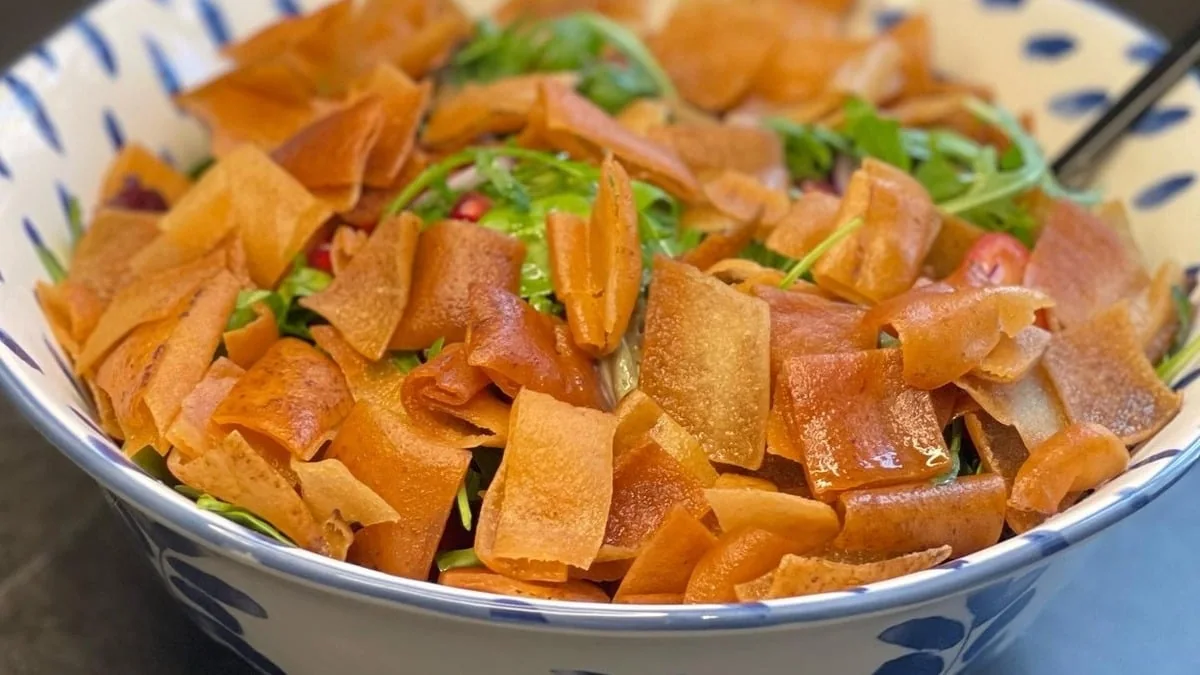
Middle Eastern food can be light and filling. In Sporty's estimates, chicken shish is about 380 kcal with 46 g of protein, tabbouleh 240 kcal and baba ganoush 180 kcal, while falafel is 420 kcal with 15 g of protein. Grilled meat or fish, salads and one bread keep a meal lighter than fried mezze and refills.
Key takeaways
- Chicken shish is about 380 kcal with 46 g of protein, the most protein per calorie on a typical menu (Sporty estimates).
- Falafel is about 420 kcal with 15 g of protein, because the chickpea patties are deep-fried.
- Tabbouleh (240 kcal) and fattoush (280 kcal) are light, but a generous olive oil dressing can add over 100 kcal per tablespoon.
- Chicken shish with tabbouleh and a yogurt side is about 740 kcal with 59 g of protein.
- Bread is the easiest place for calories to grow; decide on one piece rather than eating from the basket.
Is Middle Eastern food good for weight loss?
It can be one of the easiest cuisines to fit into a calorie target. Menus across Lebanon, Syria, Jordan, Israel, Egypt, Iran and Turkey share a lot of vegetables, pulses, herbs, yogurt and grilled meat or fish. Many classic dishes are naturally high in fibre or protein. What adds up quickly is olive oil poured generously over dips and salads, deep-fried items such as falafel and kibbeh, and the bread basket that keeps coming back.
The numbers in this guide are Sporty's per-serving estimates. Real values depend on the recipe, the restaurant and the portion, so use them as a starting point rather than exact figures.
How do popular dishes compare?
| Dish | kcal | Protein | Carbs | Fat |
|---|---|---|---|---|
| Hummus and raw vegetables | 260 | 11 g | 34 g | 10 g |
| Falafel | 420 | 15 g | 40 g | 22 g |
| Tabbouleh | 240 | 6 g | 30 g | 11 g |
| Fattoush Salad | 280 | 6 g | 32 g | 14 g |
| Baba Ganoush | 180 | 4 g | 12 g | 14 g |
| Chicken Shish Kebab | 380 | 46 g | 8 g | 18 g |
The same dishes, plus a few more, sorted by calories with protein per 100 kcal as a simple fullness hint:
| Dish | Calories | Protein | Fat | Protein per 100 kcal |
|---|---|---|---|---|
| Yogurt-cucumber side (cacık, similar to khiyar bi laban) | 120 kcal | 7 g | 7 g | 5.8 g |
| Baba ganoush | 180 kcal | 4 g | 14 g | 2.2 g |
| Tabbouleh | 240 kcal | 6 g | 11 g | 2.5 g |
| Red lentil soup | 250 kcal | 13 g | 6 g | 5.2 g |
| Hummus with raw vegetables | 260 kcal | 11 g | 10 g | 4.2 g |
| Muhammara | 260 kcal | 5 g | 19 g | 1.9 g |
| Fattoush | 280 kcal | 6 g | 14 g | 2.1 g |
| Stuffed vine leaves | 300 kcal | 5 g | 13 g | 1.7 g |
| Chicken shish kebab | 380 kcal | 46 g | 18 g | 12.1 g |
| Falafel | 420 kcal | 15 g | 22 g | 3.6 g |
| Chicken döner / shawarma wrap | 560 kcal | 38 g | 22 g | 6.8 g |
Chicken shish stands out: about 46 g of protein for 380 kcal, more than three times as much protein per calorie as most mezze. Falafel is made from chickpeas, but because the patties are deep-fried, almost half of their energy comes from fat (22 g × 9 = 198 kcal). Dips and salads are moderate in calories, yet most of them are low in protein, so they work best as sides rather than the whole meal.
Where do the calories come from?
Olive oil
Olive oil is central to this cuisine and is mostly unsaturated fat, but it is also the most energy-dense ingredient: USDA data put it at 884 kcal per 100 g, so a tablespoon adds over 100 kcal. Hummus, baba ganoush and muhammara are often finished with a pool of oil on top, and salad dressings can be generous. Asking for dressing on the side or for less oil on top is an easy saving.
Frying
Falafel, kibbeh, sambousek and fried halloumi absorb oil while cooking. Grilled or baked versions of similar ingredients are usually much lighter.
Bread and rice
Flatbread comes with almost everything, and it is easy to keep tearing off pieces while talking. Rice is a common side to grills, and some dishes, such as fattoush with fried pita, already contain bread. Deciding on one portion of bread or rice per person keeps the total under control.
Nuts and sweets
Muhammara is made with walnuts, and many dishes are topped with pine nuts. Desserts such as baklava and kunafa combine pastry, butter, nuts and syrup, so they are best shared.
How do lighter and heavier orders compare?
| Order (one person) | Calories | Protein |
|---|---|---|
| Adana kebab + bulgur pilaf | 910 kcal | 44 g |
| Falafel + hummus + baba ganoush | 860 kcal | 30 g |
| Lentil soup + chicken shish + shepherd's salad | 790 kcal | 62 g |
| Chicken shish + tabbouleh + yogurt side | 740 kcal | 59 g |
| Falafel + fattoush | 700 kcal | 21 g |
A meal of only mezze can be surprisingly high in calories and low in protein. Adding one grilled protein and sharing the dips changes the balance: chicken shish with tabbouleh and a yogurt side has twice the protein of falafel with hummus and baba ganoush, for about 120 kcal less. For more on grills, see which kebab is lightest.
What are smart picks on a Middle Eastern menu?
- Start with soup or salad. Lentil soup, a herb-heavy tabbouleh or a tomato and cucumber salad add volume for few calories.
- Share the dips. One or two dips for the table, eaten with vegetables as well as bread.
- Choose a grill. Chicken or fish shish, shish taouk and grilled prawns are high in protein. Minced lamb kebabs are richer.
- Add yogurt. Labneh, cacık or a yogurt sauce adds protein and freshness.
- Pick one starch. Bread or rice, not both, and not the whole basket.
- Mind the salt. Pickles, cheeses and marinades can be salty; the WHO advises adults to keep salt below 5 g a day.
Many of these habits overlap with the Mediterranean diet, which shares many of the same ingredients.
How do you build a balanced mezze plate at home?
Middle Eastern dishes are easy to cook at home, where you control the oil and the portions. A simple formula for one plate:
- Half the plate salad and vegetables: tabbouleh, fattoush without fried bread, cucumber, tomatoes, peppers and radishes.
- A palm-sized protein: grilled chicken or fish, a few falafel baked rather than fried, or a bowl of lentil soup.
- Two spoonfuls of dip: hummus, baba ganoush or a yogurt dip, with oil measured instead of poured.
- One starch: half a flatbread, a small portion of bulgur pilaf or rice.
For example, chicken shish (380 kcal) with tabbouleh (240 kcal) and half a portion of hummus with vegetables (130 kcal) comes to about 750 kcal with about 58 g of protein in Sporty's estimates. Leftover grilled chicken, hummus and salad also make an easy packed lunch the next day.
Does one big mezze night matter?
No. Weight follows your intake over weeks, not one dinner. If you are sharing a long meal with friends, enjoy it and return to your usual routine at the next meal. There is no need to compensate by eating very little the following day; going below about 1,200 kcal a day for women or 1,500 kcal for men should only happen with medical supervision. Photographing a shared mezze spread with Sporty and adjusting your share afterwards is a quick way to log it.
This article is general information, not medical advice. If you have high blood pressure, kidney disease or diabetes, are pregnant, under 18 or have a history of disordered eating, talk to a doctor or registered dietitian about what suits you.
Frequently asked questions
Is hummus good for weight loss?
Hummus is made from chickpeas and provides fibre and some protein. In Sporty's estimates, hummus with vegetables is about 260 kcal; the olive oil on top and the amount of bread eaten with it decide most of the total.
How many calories are in falafel?
Sporty estimates a falafel serving at about 420 kcal with 15 g of protein. Because it is deep-fried, around half of its energy comes from fat.
What is the healthiest thing to order at a Lebanese or Middle Eastern restaurant?
A grilled chicken or fish shish with tabbouleh or fattoush and a yogurt side is high in protein and moderate in calories. Share the dips and choose one starch.
Is tabbouleh low in calories?
Yes, tabbouleh is about 240 kcal per serving in Sporty's estimates, mostly from parsley, bulgur, tomato and olive oil. Extra dressing raises it.
Was this article helpful?
No ratings yet — be the first.
Tap a star to rate it — your rating helps us improve and helps other readers.
Sources
This article is general information, not medical advice. If you have a health condition, are pregnant or under 18, talk to a doctor or registered dietitian before changing your diet.