

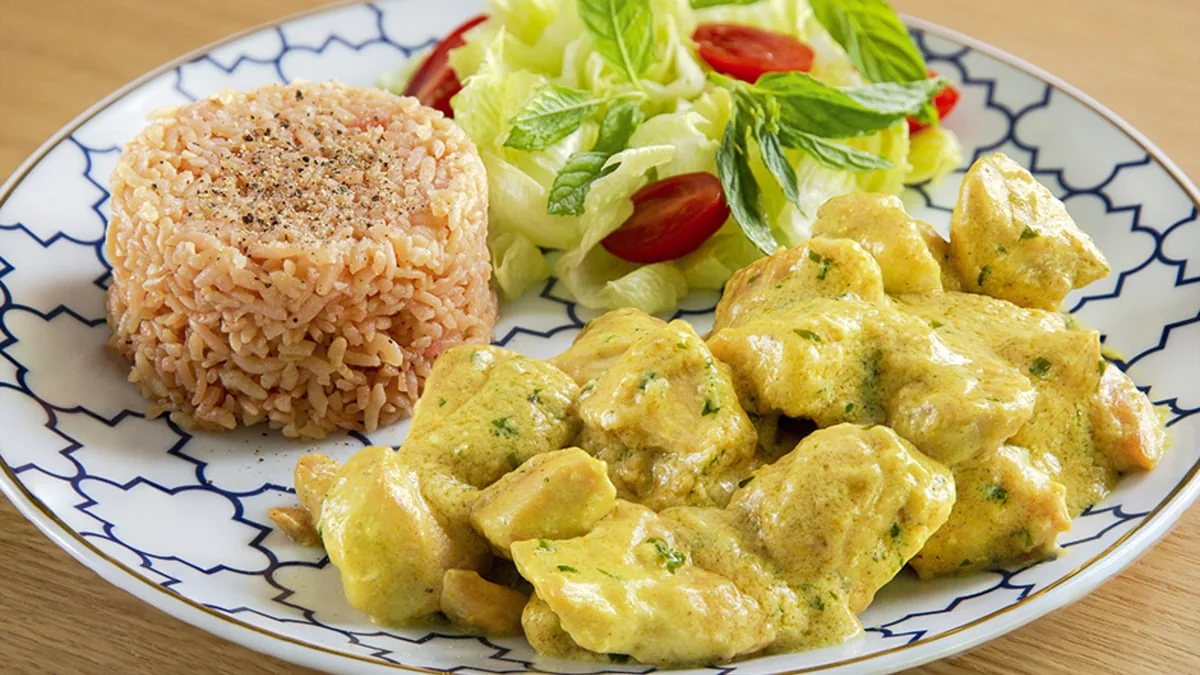
In Sporty's estimates, chicken curry with a grain is about 520 kcal with 44 g of protein, and chicken tikka masala with rice about 580 kcal. Ghee, cream, fried starters and ordering both rice and naan explain most of the difference. Tandoori dishes, tomato-based curries, dal and a yogurt side keep meals lighter.
Key takeaways
- Chicken curry with a grain is about 520 kcal with 44 g of protein; tikka masala with rice about 580 kcal (Sporty estimates).
- Cauliflower curry is about 290 kcal but gets half its energy from fat and has 9 g of protein.
- Ghee, oil and cream add up fast: fat has 9 kcal per gram, and a tablespoon adds over 100 kcal.
- Chicken curry plus a yogurt side is about 640 kcal with 51 g of protein, 230 kcal less than tikka masala plus a vegetable curry.
- Choose one starch, tandoori or tomato-based dishes and lentils over fried starters.
Can Indian food fit into a weight-loss plan?
Yes. Indian cooking is rich in lentils, chickpeas, vegetables, yogurt and spices, and many of its dishes are naturally filling and high in fibre or protein. At the same time, restaurant versions often use generous amounts of ghee, oil and cream, and a full order can include fried starters, rice and buttered bread together. The cuisine is not the problem; the combination and the cooking fat usually decide the total.
The numbers in this guide are Sporty's per-serving estimates. Real values depend on the recipe, the restaurant and the portion, so use them as a realistic starting point rather than exact figures.
How do curries and pulse dishes compare?
The catalog includes three Indian dishes and several pulse dishes with a similar profile to dal and chana, side by side:
| Dish | kcal | Protein | Carbs | Fat |
|---|---|---|---|---|
| Cauliflower Curry | 290 | 9 g | 30 g | 16 g |
| Chicken Curry with Bulgur | 520 | 44 g | 48 g | 16 g |
| Chicken Tikka Masala | 580 | 42 g | 50 g | 22 g |
| Red Lentil Soup | 250 | 13 g | 38 g | 6 g |
| Chickpea Stew | 360 | 16 g | 52 g | 10 g |
The same dishes sorted by calories, with protein per 100 kcal as a simple hint of how filling each may be:
| Dish | Calories | Protein | Fat | Protein per 100 kcal |
|---|---|---|---|---|
| Yogurt-cucumber side (cacık, close to raita) | 120 kcal | 7 g | 7 g | 5.8 g |
| Red lentil soup | 250 kcal | 13 g | 6 g | 5.2 g |
| Cauliflower curry | 290 kcal | 9 g | 16 g | 3.1 g |
| Chickpea stew | 360 kcal | 16 g | 10 g | 4.4 g |
| Chicken curry with bulgur | 520 kcal | 44 g | 16 g | 8.5 g |
| Chicken tikka masala with rice | 580 kcal | 42 g | 22 g | 7.2 g |
A tomato-based chicken curry served with a grain is the most protein-dense full meal here, at 44 g for 520 kcal. Tikka masala adds cream and comes in about 60 kcal higher with similar protein. The cauliflower curry is light in calories, but about half of its energy comes from fat (16 g × 9 = 144 kcal) and it has only 9 g of protein, so it works best as a shared side next to a protein dish.
Where do the calories in Indian food come from?
Ghee, oil and cream
Fat has 9 kcal per gram, against 4 kcal for protein and carbohydrate. Many curries start by frying onions and spices in ghee or oil, and creamy sauces such as korma, butter chicken or malai dishes add more. A tablespoon of ghee or oil adds over 100 kcal. This is why two curries of similar size can differ a lot: a dry tandoori dish marinated in yogurt and spices and cooked in a hot oven is usually lighter than the same meat in a butter or cream sauce.
Rice and bread
Rice, naan, roti and paratha are a normal part of the meal and supply most of the carbohydrate. Naan is usually made with refined flour and often brushed with butter or ghee, while roti or chapati is typically made from whole-wheat flour and cooked dry. Ordering both rice and naan for each person is where the total grows fastest.
Fried starters and sweet drinks
Samosas, pakoras and onion bhajis are deep-fried, so they absorb oil. Sweet or mango lassi adds sugar; the WHO advises keeping free sugars below 10% of daily energy. A salted lassi, much like ayran, is a lighter alternative.
How do lighter and heavier orders compare?
Here is how typical combinations add up from the same catalog estimates:
| Order | Calories | Protein |
|---|---|---|
| Tikka masala with rice + cauliflower curry | 870 kcal | 51 g |
| Red lentil soup + chicken curry with bulgur | 770 kcal | 57 g |
| Chicken curry + half a cauliflower curry | 665 kcal | about 49 g |
| Chickpea stew + cauliflower curry (vegetarian) | 650 kcal | 25 g |
| Chicken curry + yogurt-cucumber side | 640 kcal | 51 g |
Adding a cooling yogurt side to a chicken curry gives as much protein as tikka masala with a vegetable curry, for about 230 kcal less. A lentil starter instead of a fried one keeps the total moderate and raises protein and fibre. Vegetarian orders built only on vegetables and pulses tend to be lower in protein, so adding yogurt, paneer in moderation or a lentil dish helps.
What are smart picks on an Indian menu?
- Starters. Lentil soup or a mixed salad with yogurt dressing instead of fried samosas or pakoras. If you love them, share one.
- From the tandoor. Chicken tikka (without the masala sauce), tandoori chicken, fish or prawns are marinated in yogurt and spices and cooked without much added fat.
- Curries. Tomato-based or dry curries (bhuna, jalfrezi-style, plain chicken curry) are usually lighter than korma, butter chicken or other cream-based sauces. Chicken tikka masala sits in the middle at about 580 kcal with rice.
- Pulses. Dal, chana and rajma are rich in fibre and plant protein. They are filling, though restaurant versions may be finished with butter or cream. The guide to lentils, chickpeas and beans compares them.
- Sides. Raita, kachumber salad and vegetable dishes add volume. Choose one starch: rice or roti rather than rice plus naan.
What simple habits make Indian meals lighter?
- Pair every curry with a protein. Chicken, fish, lentils or yogurt keep you full longer.
- Pick one starch per person. Rice or bread, not both.
- Ask about the sauce. Many restaurants can make a dish with less cream or oil.
- Use yogurt as your cooling side instead of extra bread.
- Watch the salt. Curry pastes, pickles and chutneys can be salty; the WHO advises adults to keep salt below 5 g a day.
- Plate it up. Serving from shared bowls onto a plate makes portions visible.
Logging a mixed thali or several shared dishes is easier with a photo: Sporty can estimate the plate from a picture, and you can adjust the portion afterwards. For more ordering tips, see the Asian takeaway guide and the restaurant guide.
Does one curry night ruin a calorie deficit?
No. Weight change follows your intake across the week, not one dinner. A rich meal uses part of the week's deficit and slows progress a little. There is no need to compensate by eating very little the next day: going below about 1,200 kcal a day for women or 1,500 kcal for men should only happen under medical supervision.
This article is general information, not medical advice. If you have high blood pressure, kidney disease or diabetes, are pregnant, under 18 or have a history of disordered eating, talk to a doctor or registered dietitian about what suits you.
Frequently asked questions
What is the healthiest thing to order at an Indian restaurant?
Tandoori chicken or fish, a tomato-based curry, dal and a yogurt side are usually lighter and high in protein. Pair them with one starch, rice or roti, rather than both rice and naan.
How many calories are in chicken tikka masala?
Sporty estimates chicken tikka masala with rice at about 580 kcal per serving with 42 g of protein. Naan, extra rice and fried starters add to that.
Is naan or roti lighter?
Roti or chapati is usually lighter, because it is typically made from whole-wheat flour and cooked without fat. Naan is often made with refined flour and brushed with butter or ghee.
Is dal good for weight loss?
Dal is rich in fibre and plant protein, which helps fullness. Restaurant versions may be finished with butter or cream, so portion and preparation still matter.
Was this article helpful?
No ratings yet — be the first.
Tap a star to rate it — your rating helps us improve and helps other readers.
Sources
This article is general information, not medical advice. If you have a health condition, are pregnant or under 18, talk to a doctor or registered dietitian before changing your diet.