

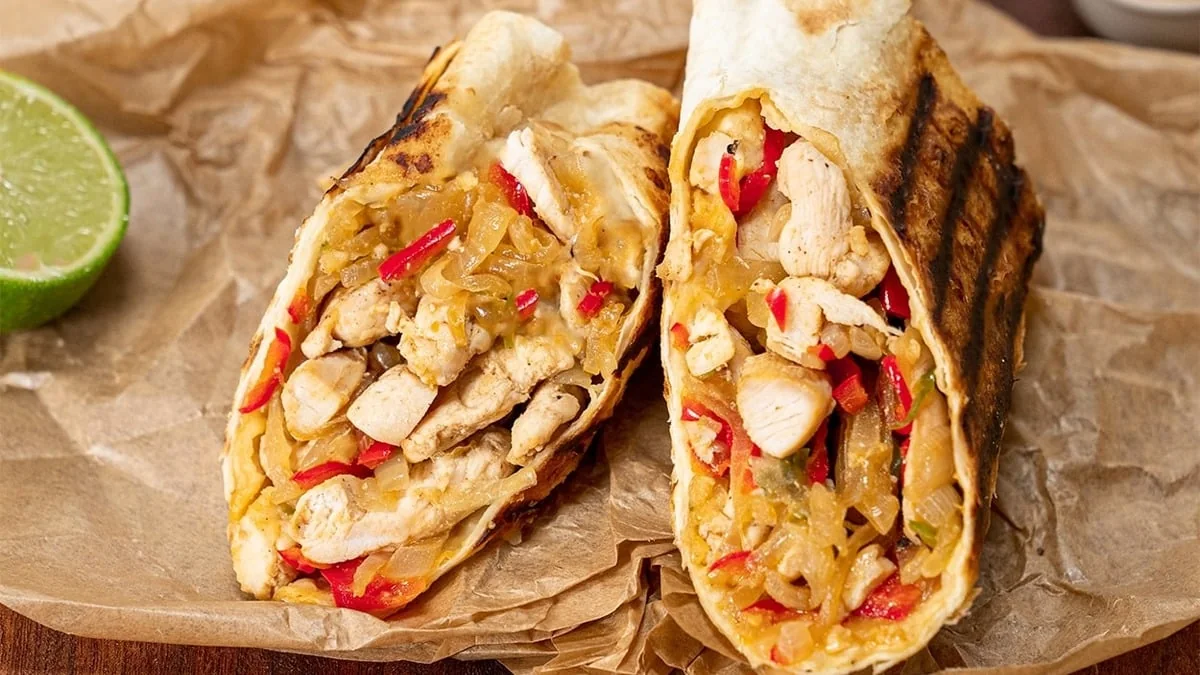
Chicken fajitas are among the lightest Mexican mains at about 460 kcal with 38 g of protein, while a burrito comes to about 650 kcal. Choosing grilled dishes, counting tortillas, using salsa instead of extra cheese and sharing guacamole can save around 300 kcal at one meal without giving up the cuisine.
Key takeaways
- Chicken fajitas are both the lightest and the most protein-rich main in this comparison.
- A burrito's calories come largely from the big tortilla and rice: 74 g of carbohydrate.
- Fajitas with half a portion of guacamole save about 310 kcal compared with a burrito and full guacamole.
- Guacamole is mostly unsaturated fat; portion size matters more than the dish itself.
- Salsa, beans and grilled fillings add flavour and fullness for relatively few calories.
Can Mexican food fit a weight-loss plan?
Yes, and more easily than its reputation suggests. Mexican cooking is built on grilled meat, beans, tomatoes, peppers, onions, lime and herbs, which are filling foods that fit almost any calorie target. What pushes a plate up is usually the packaging around them: a very large tortilla, a layer of melted cheese, a scoop of sour cream, and a basket of fried chips before the meal arrives.
The numbers in this guide are Sporty's per-serving estimates for popular Mexican dishes. Real values depend on the recipe, the restaurant's portion and how much cheese, oil and sauce go in, so treat them as a realistic starting point.
How do popular Mexican dishes compare?
Here are six favourites side by side:
| Dish | kcal | Protein | Carbs | Fat |
|---|---|---|---|---|
| Chicken Fajitas | 460 | 38 g | 36 g | 18 g |
| Chili con Carne | 480 | 34 g | 38 g | 20 g |
| Chicken Tacos | 480 | 32 g | 42 g | 20 g |
| Quesadilla | 520 | 28 g | 40 g | 27 g |
| Enchiladas | 580 | 32 g | 52 g | 26 g |
| Burrito | 650 | 34 g | 74 g | 22 g |
And the same dishes sorted by calories, with protein per 100 kcal as a simple fullness hint:
| Dish | Calories | Protein | Carbs | Fat | Protein per 100 kcal |
|---|---|---|---|---|---|
| Guacamole (side) | 240 kcal | 3 g | 13 g | 21 g | 1.3 g |
| Chicken fajitas | 460 kcal | 38 g | 36 g | 18 g | 8.3 g |
| Chili con carne | 480 kcal | 34 g | 38 g | 20 g | 7.1 g |
| Chicken tacos | 480 kcal | 32 g | 42 g | 20 g | 6.7 g |
| Quesadilla | 520 kcal | 28 g | 40 g | 27 g | 5.4 g |
| Enchiladas | 580 kcal | 32 g | 52 g | 26 g | 5.5 g |
| Burrito | 650 kcal | 34 g | 74 g | 22 g | 5.2 g |
Two patterns stand out. Chicken fajitas are both the lightest main and the highest in protein, because the plate is mostly grilled chicken and peppers. At the other end, the burrito carries the most calories, largely from carbohydrate: a big tortilla wrapped around rice and beans adds up to 74 g. The quesadilla has the most fat of the mains, which is what you would expect from a tortilla filled with melted cheese.
Which swaps save the most calories?
You do not need to give up the food you like. Small changes in the same cuisine make a clear difference:
| Instead of | Try | Saves | Protein change |
|---|---|---|---|
| Burrito (650 kcal) | Chicken fajitas (460 kcal) | ≈ 190 kcal | +4 g |
| Enchiladas (580 kcal) | Chili con carne (480 kcal) | ≈ 100 kcal | +2 g |
| Quesadilla (520 kcal) | Chicken tacos (480 kcal) | ≈ 40 kcal | +4 g |
| Full portion of guacamole (240 kcal) | Half a portion, shared (120 kcal) | ≈ 120 kcal | about the same |
Put two of these together and the gap gets large. A burrito with a full side of guacamole comes to about 890 kcal. Chicken fajitas with half a portion of guacamole come to about 580 kcal with slightly more protein. That is roughly 310 kcal saved, in a meal that still feels like a proper Mexican dinner.
Is guacamole a good or a bad choice?
Neither; it is simply energy-dense. Of its 240 kcal, about 190 come from fat (21 g at 9 kcal per gram), mostly from avocado. That fat is largely unsaturated, the kind health guidelines suggest choosing over saturated fat, so guacamole is a better topping than a thick layer of cheese or sour cream. The point is portion: a shared bowl with fresh vegetables or a spoonful on your fajitas fits easily, while a large bowl with fried chips can match the calories of a main course.
What should you look for on a Mexican menu?
- Grilled over fried. Fajitas, grilled chicken or fish tacos and "a la plancha" dishes are usually lighter than anything crispy, deep-fried or smothered.
- Count the tortillas. With fajitas you build your own, so you decide how many tortillas to use. Two or three is a full meal for most people.
- Salsa is your friend. Tomato salsa, pico de gallo and lime add a lot of flavour for very few calories. Ask for them in place of extra cheese or sour cream.
- Beans count as both protein and fibre. Black or pinto beans make a bowl more filling; see how they compare in our guide to lentils, chickpeas and beans.
- Watch the chip basket. Fried tortilla chips are easy to eat by the handful before the food arrives. Decide on a small portion, or ask for it to be taken away.
- Mind the salt. Restaurant sauces, seasoned meat and cheese can be salty. The WHO recommends less than 5 g of salt a day, so balance a salty meal with lighter, home-cooked food on other days.
What does a lighter Mexican night look like?
Here are three examples at different calorie levels, all built from the catalog dishes above:
- About 480 kcal: chili con carne on its own, with a fresh green salad without dressing on the side. 34 g of protein.
- About 580 kcal: chicken fajitas with half a portion of guacamole. Around 40 g of protein.
- About 720 kcal: chicken tacos with a full portion of guacamole, for a day when you have more room. 35 g of protein.
Any of these can fit a typical weight-loss target when the rest of the day is planned around it. If you know you are going out, a lighter breakfast and lunch with plenty of protein and vegetables leaves room for dinner without turning it into a strict exercise. For more on handling restaurant meals, see our restaurant guide, and for another popular takeaway cuisine, calorie-smart Asian takeaway choices.
Can you make it lighter at home?
Home cooking gives you full control over the parts that vary most: oil, cheese and portion size. A few easy habits:
- Cook fajita chicken and peppers in a hot pan with a measured spoon of oil rather than a free pour.
- Use plain yogurt in place of some or all of the sour cream; it is tangy and adds protein.
- Bulk up chili con carne with extra beans, tomatoes and peppers, which stretches the portion without stretching the calories as much.
- Serve the tortillas on the side so everyone takes what they want, rather than wrapping everything in one large tortilla.
- Add a shepherd's salad (160 kcal in our estimate) or grilled vegetables on the side; the plate fills up while calories stay moderate.
- When buying ready-made tortillas, check the nutrition label; size and calories can vary a lot between brands.
Mexican dishes have many parts, which makes them hard to estimate by eye. With Sporty you can snap a photo of the plate and adjust the portions of each part, such as the number of tortillas or the size of the guacamole, so the log matches what you actually ate.
Frequently asked questions
What is the lowest-calorie Mexican dish?
Of the mains compared here, chicken fajitas are the lightest at about 460 kcal and also have the most protein, 38 g. Values depend on the recipe and how many tortillas you use.
Is a burrito bowl lighter than a burrito?
Usually, because you skip the large tortilla. The final number still depends on how much rice, cheese, sour cream and guacamole go in.
How many calories are in guacamole?
Sporty estimates a side portion at about 240 kcal, most of it from avocado fat. Sharing it or using a spoonful as a topping keeps it easy to fit.
Are tacos healthy for weight loss?
Chicken tacos come to about 480 kcal with 32 g of protein in Sporty's estimate, which fits most plans. Grilled fillings and salsa keep them lighter than fried or cheese-heavy versions.
Was this article helpful?
No ratings yet — be the first.
Tap a star to rate it — your rating helps us improve and helps other readers.
Sources
This article is general information, not medical advice. If you have a health condition, are pregnant or under 18, talk to a doctor or registered dietitian before changing your diet.