
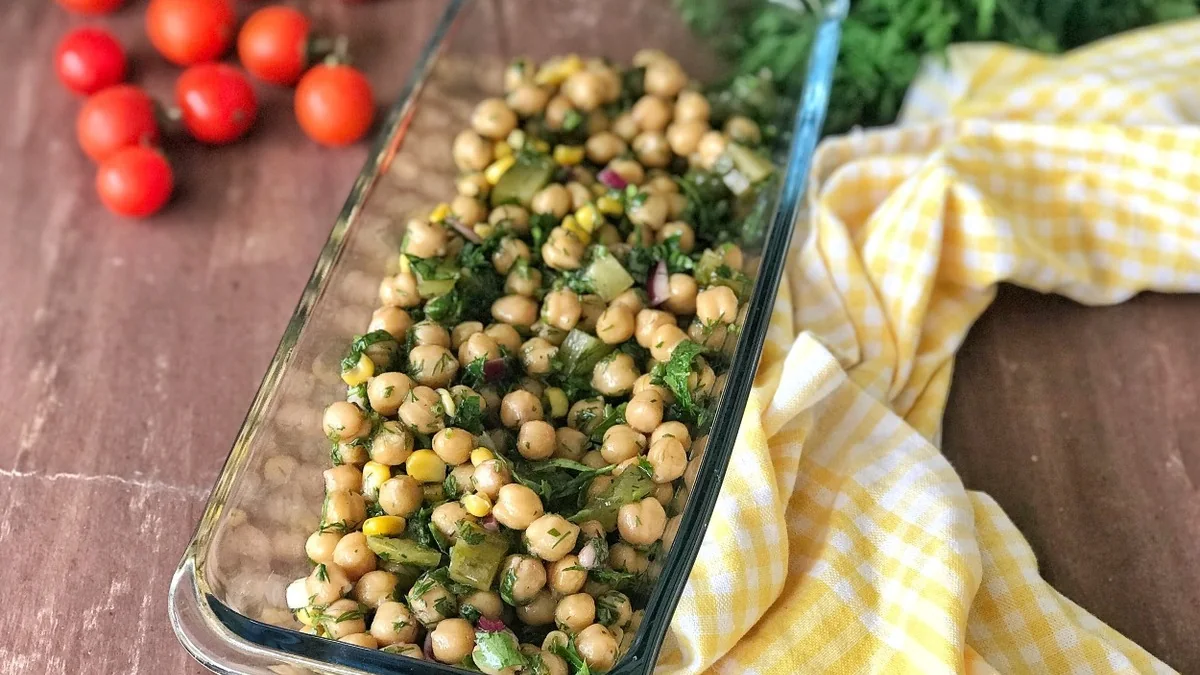
All legumes are rich in protein and fibre, but they differ. Per cooked cup in USDA data, lentils give the most protein (17.9 g) and fibre (15.6 g) for 230 kcal, chickpeas have the most calories (269 kcal) and fat, and kidney, black and white beans sit in between. Choose the one you will actually eat.
Key takeaways
- Per cooked cup, lentils lead on protein (17.9 g) and fibre (15.6 g) for 230 kcal, per USDA data.
- Chickpeas have the most calories and fat of the group: 269 kcal and 4.2 g fat per cup.
- Lentils give the most protein per calorie, about 7.8 g per 100 kcal; chickpeas about 5.4 g.
- The recipe matters more than the legume: a falafel plate has more than twice the fat of a lentil salad.
- Rinse canned legumes to cut added salt, and always boil dried kidney beans thoroughly.
What do lentils, chickpeas and beans have in common?
Lentils, chickpeas and beans are legumes, also called pulses when they are harvested as dry seeds. They are among the few foods that bring a meaningful amount of protein and fibre together with very little fat. The World Health Organization lists legumes such as lentils and beans as part of a healthy diet, and the Dietary Guidelines for Americans count beans, peas and lentils in two food groups at once: vegetables and protein foods.
Their nutrition is close enough that you can swap one for another in most recipes, but it is not identical. If you are watching calories, adding protein to meat-free meals or trying to eat more fibre, the small differences can help you choose.
How do they compare per cooked cup?
The table below uses USDA FoodData Central values for one cup of each legume, boiled without salt. Depending on the legume, a cup weighs about 165–200 g.
| 1 cup cooked | Energy | Protein | Carbs | Fibre | Fat | Iron |
|---|---|---|---|---|---|---|
| Lentils (198 g) | 230 kcal | 17.9 g | 39.9 g | 15.6 g | 0.8 g | 6.6 mg |
| Chickpeas (164 g) | 269 kcal | 14.5 g | 45.0 g | 12.5 g | 4.2 g | 4.7 mg |
| Kidney beans (177 g) | 225 kcal | 15.3 g | 40.4 g | 13.1 g | 0.9 g | 5.2 mg |
| Black beans (172 g) | 227 kcal | 15.2 g | 40.8 g | 15.0 g | 0.9 g | 3.6 mg |
| White beans (179 g) | 249 kcal | 17.4 g | 44.9 g | 11.3 g | 0.6 g | 6.6 mg |
Per cup, lentils come out on top for both protein and fibre while staying among the lowest in calories. Chickpeas are the outlier: they have the most energy and several times the fat of the others, which is still modest but explains their richer, creamier texture. The three beans are almost interchangeable, with white beans slightly ahead on protein and black beans on fibre. Lentils and white beans are also good sources of iron, although iron from plants is absorbed less well than iron from meat.
Which legume has the most protein per calorie?
If you are in a calorie deficit, protein per 100 kcal is a fairer comparison than protein per cup. Dividing the USDA protein figures by the calories gives:
- Lentils: about 7.8 g of protein per 100 kcal
- White beans: about 7.0 g
- Kidney beans: about 6.8 g
- Black beans: about 6.7 g
- Chickpeas: about 5.4 g
For context, adults need at least 0.8 g of protein per kg of body weight a day, which is 56 g for a 70 kg (154 lb) adult. One cup of lentils covers about a third of that. Legumes also bring roughly 40–45 g of carbohydrate per cup, so they work best as the protein part of a meal rather than as a side next to a large portion of rice or bread. For more on mixing plant sources, see our guide to getting enough protein without meat.
What do real legume dishes look like?
The recipe changes the numbers more than the choice of legume does. Oil, tahini, frying and the other ingredients decide where a dish lands. These are Sporty's per-serving estimates for popular legume dishes from around the world; real values depend on recipe and portion.
| Dish (one serving) | Main legume | Energy | Protein | Fat |
|---|---|---|---|---|
| Red lentil soup | Red lentils | 250 kcal | 13 g | 6 g |
| Minestrone | Cannellini beans | 260 kcal | 10 g | 6 g |
| Hummus and raw vegetables | Chickpeas | 260 kcal | 11 g | 10 g |
| Lentil salad | Green lentils | 320 kcal | 16 g | 9 g |
| Chickpea stew | Chickpeas | 360 kcal | 16 g | 10 g |
| Falafel plate | Chickpeas | 420 kcal | 15 g | 22 g |
| Mediterranean chickpea salad | Chickpeas | 430 kcal | 19 g | 14 g |
| Chili con carne | Kidney beans, with beef | 480 kcal | 34 g | 20 g |
The lentil salad and the falafel plate show the pattern clearly. Both are built on legumes, but the falafel is fried, so it carries more than twice the fat for less protein. Chili con carne gets much of its protein from the beef, with kidney beans adding fibre and bulk. A chickpea stew sits in the middle: filling, simple and moderate in calories.
Are legumes good for weight loss?
They can make a calorie deficit easier to live with. Legumes are bulky, need chewing and combine protein with fibre, two things that help meals feel satisfying. Using the USDA figures, a cup of lentils has about 26 times the fibre of a cup of white rice for a similar number of calories, as our guide to how much fibre you need shows.
They do not cancel out calories, though. Weight loss still comes down to eating less energy than you use over time, and a generous pour of olive oil or a large serving of tahini dip can add a lot to an otherwise light legume dish. Logging the dish you actually ate, for example with photo logging in Sporty, shows how much the extras add.
Canned or dried: does it matter?
Nutritionally, the difference is small. Canned legumes are cooked and ready to eat, which makes them the easiest way to add them to salads, soups and wraps. They often contain added salt, so drain and rinse them, or choose cans labelled with no added salt. Dried legumes are often cheaper per serving and let you control the salt, but they need planning: beans and chickpeas are usually soaked before cooking, while lentils need no soaking and cook much faster.
One safety point: dried kidney beans must be boiled thoroughly, because raw or undercooked kidney beans contain a natural toxin that can cause severe stomach upset. Canned kidney beans are already cooked and safe to use straight away.
How can you eat more legumes without discomfort?
- Start small. If you rarely eat legumes, add a few spoonfuls at a time. The extra fibre can cause gas or bloating at first, and most people adapt.
- Rinse canned legumes and drink enough water as your fibre intake rises.
- Replace rather than add. Swapping half the minced meat in a chili or bolognese for lentils keeps the volume while adding fibre.
- Blend them. Hummus and puréed lentil soups are often easier on the stomach than whole beans.
- Rotate. Lentils one day and chickpeas or black beans the next keep meals varied and widen the range of nutrients you get.
If you live with kidney disease, have irritable bowel syndrome or another digestive condition, or follow a diet set by your doctor, ask your doctor or a registered dietitian how legumes fit into your plan.
Which one should you choose?
Choose lentils if you want the most protein and fibre for the fewest calories and the least preparation. Choose chickpeas for salads, stews and hummus, and keep an eye on added oil and tahini. Choose kidney, black or white beans for chilis, soups and wraps; they are close enough to swap freely. In the end, the best legume is the one you will eat regularly, and mixing them across the week gives you the widest range of nutrients.
Frequently asked questions
Which legume has the most protein?
Per cooked cup in USDA FoodData Central, lentils have the most at about 17.9 g, followed closely by white beans at 17.4 g. Chickpeas have about 14.5 g.
Are chickpeas more fattening than lentils?
No single food causes weight gain, but chickpeas do have more energy: about 269 kcal per cooked cup versus 230 kcal for lentils, mainly because they contain more fat. Portion size and added oil matter more.
Are canned beans as healthy as dried?
Nutritionally they are very similar. Canned beans often contain added salt, so drain and rinse them or choose versions with no added salt.
Why do legumes cause gas?
Legumes contain fibre and carbohydrates that gut bacteria ferment. Increasing them gradually, rinsing canned legumes and choosing puréed dishes such as hummus or lentil soup can help.
Sources
This article is general information, not medical advice. If you have a health condition, are pregnant or under 18, talk to a doctor or registered dietitian before changing your diet.