
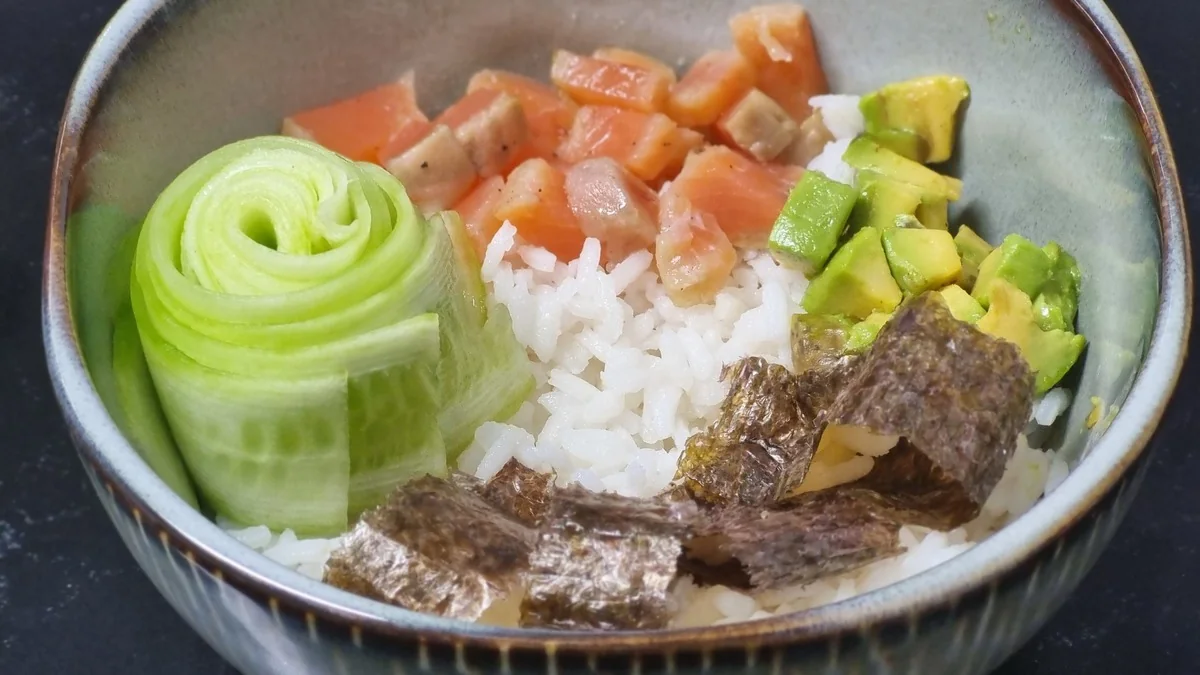
Most Asian takeaway mains land between about 520 and 580 kcal in Sporty's estimates, so the order around them matters most. Tom yum is about 230 kcal with 24 g of protein, while gyoza plus ramen reaches about 940 kcal. One starch, sauce on the side and a broth-based starter keep totals lower.
Key takeaways
- Popular mains such as teriyaki chicken, bulgogi, green curry, pad thai and tikka masala sit around 520–580 kcal (Sporty estimates).
- Protein differs more than calories: teriyaki chicken has 42 g, bibimbap 28 g for similar energy.
- Rice portions, coconut milk, cream, oil and sweet sauces explain most of the gap between orders.
- Tom yum plus chicken dumplings is about 630 kcal with 48 g of protein; gyoza plus ramen is about 940 kcal.
- WHO advises less than 5 g of salt a day, so soy sauce and salty sauces are worth using as a dip.
Can Asian takeaway fit into a weight-loss plan?
Yes. Japanese, Chinese, Thai, Korean and Indian kitchens all offer dishes that range from light broths to rich, generous plates, and any of them can fit a calorie target. What decides the total is rarely the cuisine itself. It is the combination you order: the main dish, the rice or noodle portion, the sauce and the extras that arrive in the same bag.
The numbers in this guide are Sporty's per-serving estimates for popular takeaway dishes. Real values depend on the recipe, the restaurant's portion and how much oil and sauce go in, so use them as a realistic starting point rather than exact figures.
How do popular takeaway dishes compare?
Here are common favourites side by side, from a light soup to a full noodle bowl:
| Dish | kcal | Protein | Carbs | Fat |
|---|---|---|---|---|
| Tom Yum Goong | 230 | 24 g | 14 g | 9 g |
| Sushi Rolls | 420 | 18 g | 70 g | 7 g |
| Teriyaki Chicken with Rice | 520 | 42 g | 54 g | 14 g |
| Thai Green Chicken Curry | 560 | 36 g | 46 g | 26 g |
| Pad Thai with Chicken | 580 | 32 g | 66 g | 20 g |
| Chicken Tikka Masala | 580 | 42 g | 50 g | 22 g |
A wider look at the menu, sorted by calories, with protein per 100 kcal as a simple fullness hint:
| Dish | Cuisine | Calories | Protein | Protein per 100 kcal |
|---|---|---|---|---|
| Tom yum goong | Thai | 230 kcal | 24 g | 10.4 g |
| Onigiri | Japanese | 280 kcal | 10 g | 3.6 g |
| Spring rolls | Pan-Asian | 320 kcal | 9 g | 2.8 g |
| Gyoza | Japanese | 380 kcal | 18 g | 4.7 g |
| Chicken dumplings | Chinese | 400 kcal | 24 g | 6.0 g |
| Sushi rolls | Japanese | 420 kcal | 18 g | 4.3 g |
| Tofu and vegetable sauté | Pan-Asian | 420 kcal | 32 g | 7.6 g |
| Teriyaki chicken with rice | Japanese | 520 kcal | 42 g | 8.1 g |
| Beef bulgogi with rice | Korean | 520 kcal | 38 g | 7.3 g |
| Poke bowl | Hawaiian | 540 kcal | 34 g | 6.3 g |
| Ramen | Japanese | 560 kcal | 30 g | 5.4 g |
| Bibimbap | Korean | 560 kcal | 28 g | 5.0 g |
| Thai green chicken curry with rice | Thai | 560 kcal | 36 g | 6.4 g |
| Chicken tikka masala with rice | Indian | 580 kcal | 42 g | 7.2 g |
| Pad thai with chicken | Thai | 580 kcal | 32 g | 5.5 g |
Most full mains land in a fairly narrow band of about 520 to 580 kcal. The bigger differences are in protein. Teriyaki chicken and tikka masala both bring 42 g, while bibimbap and ramen bring 28 to 30 g for similar calories. Sushi rolls are lighter than pad thai (see the sushi and pad thai pages), but with 18 g of protein they may keep you full for less time.
Where do the calories come from?
Three things explain most of the gap between a lighter and a heavier order.
The rice or noodle portion
Rice and noodles are a normal, useful part of these meals, and they supply most of the carbohydrate. Bibimbap's 72 g of carbs, much of it from 200 g of cooked rice, provide about 288 kcal, roughly half the dish. Takeaway boxes often hold more rice than one person needs, so sharing a portion of rice or saving half for the next day is one of the simplest changes you can make.
Coconut milk, cream and oil
Fat has 9 kcal per gram, against 4 kcal for protein and carbohydrate. In a green curry, the 26 g of fat, much of it from coconut milk, supply about 234 kcal, around 42% of the total. Tikka masala gets part of its richness from cream. Stir-fries and fried starters like spring rolls get theirs from cooking oil. None of this needs avoiding; it just explains why two dishes of similar size can differ.
Sweet and salty sauces
Teriyaki, sweet chilli, peanut and hoisin-style sauces add sugar, while soy sauce, miso and curry pastes add salt. The WHO advises adults to keep salt below 5 g a day and free sugars below 10% of daily energy. Asking for sauce on the side and using it as a dip rather than a pour keeps both in check without losing the flavour.
How do lighter and heavier combinations compare?
Most people order more than one dish. Here is how a few typical combinations add up from the same catalog estimates:
| Order | Calories | Protein |
|---|---|---|
| Gyoza + ramen | 940 kcal | 48 g |
| Spring rolls + pad thai | 900 kcal | 41 g |
| Tom yum + teriyaki chicken with rice | 750 kcal | 66 g |
| Tom yum + chicken dumplings | 630 kcal | 48 g |
The last two orders are lighter and also higher in protein than the first two. The trick is not a magic dish; it is starting with a broth-based soup instead of a fried starter and keeping one starchy element rather than two. If you are working with a fixed budget for the evening, the guide to eating with 500 calories left has more ideas.
What are smart picks by cuisine?
- Japanese. Teriyaki chicken or salmon with rice gives a lot of protein. Sushi and onigiri are moderate in calories but lighter in protein, so a miso soup or edamame alongside can help. A poke bowl sits in the middle at about 540 kcal.
- Chinese. Steamed dumplings (400 kcal, 24 g protein for chicken dumplings) are a good base; add stir-fried vegetables or tofu. Fried starters add up quickly when shared without counting.
- Thai. Tom yum is one of the lightest options on any takeaway menu at about 230 kcal with 24 g of protein. Curries and pad thai are full meals in themselves.
- Korean. Bulgogi with rice (520 kcal, 38 g protein) is a solid choice. Bibimbap is filling and vegetable-rich, with most calories from the rice.
- Indian. Chicken tikka masala with rice comes to about 580 kcal with 42 g of protein in the catalog. Vegetable curries such as cauliflower curry (290 kcal) work well as a shared side. Naan and extra rice are where the total grows fastest.
What simple habits make takeaway easier?
- Order for the number of people eating. Takeaway menus encourage "one more dish"; ordering one main per person plus a shared vegetable side is usually plenty.
- Plate it up. Serving onto a plate instead of eating from the box makes the portion visible.
- Choose one starch. Rice or noodles or naan, not all three.
- Keep sauces on the side. Dip rather than drench.
- Drink water or unsweetened tea. Sweet drinks add calories without adding fullness.
Restaurant meals follow the same logic as takeaway; the restaurant guide goes deeper into ordering habits. If you log your meals, a quick photo of the plate is usually enough; Sporty can estimate a mixed takeaway plate from a picture and you can adjust the portion.
Does one big takeaway ruin a calorie deficit?
No. Weight change depends on your intake across the week, not a single evening. A heavier order uses part of the week's deficit; progress slows a little rather than stopping. Avoid compensating by eating very little the next day: going below about 1,200 kcal a day for women or 1,500 kcal for men should only happen under medical supervision.
This article is general information, not medical advice. If you have high blood pressure, kidney disease or diabetes, are pregnant, under 18 or have a history of disordered eating, talk to a doctor or registered dietitian about what suits you.
Frequently asked questions
What is the lowest-calorie Asian takeaway option?
Among the catalog dishes, tom yum goong is one of the lightest at about 230 kcal per serving, with 24 g of protein. Steamed dumplings and tofu with vegetables are also moderate.
Is sushi good for weight loss?
Sushi rolls are moderate at about 420 kcal per serving in Sporty's catalog, but they have only 18 g of protein. Adding edamame or a miso soup can make the meal more filling.
How many calories are in chicken tikka masala?
Sporty estimates chicken tikka masala with rice at about 580 kcal per serving with 42 g of protein. Naan and extra rice add to that, so choosing one starch helps.
Should I avoid rice when ordering takeaway?
No. Rice is a normal part of these meals. Takeaway portions are often generous, so sharing or saving half is usually enough to keep the total in line.
Sources
This article is general information, not medical advice. If you have a health condition, are pregnant or under 18, talk to a doctor or registered dietitian before changing your diet.