

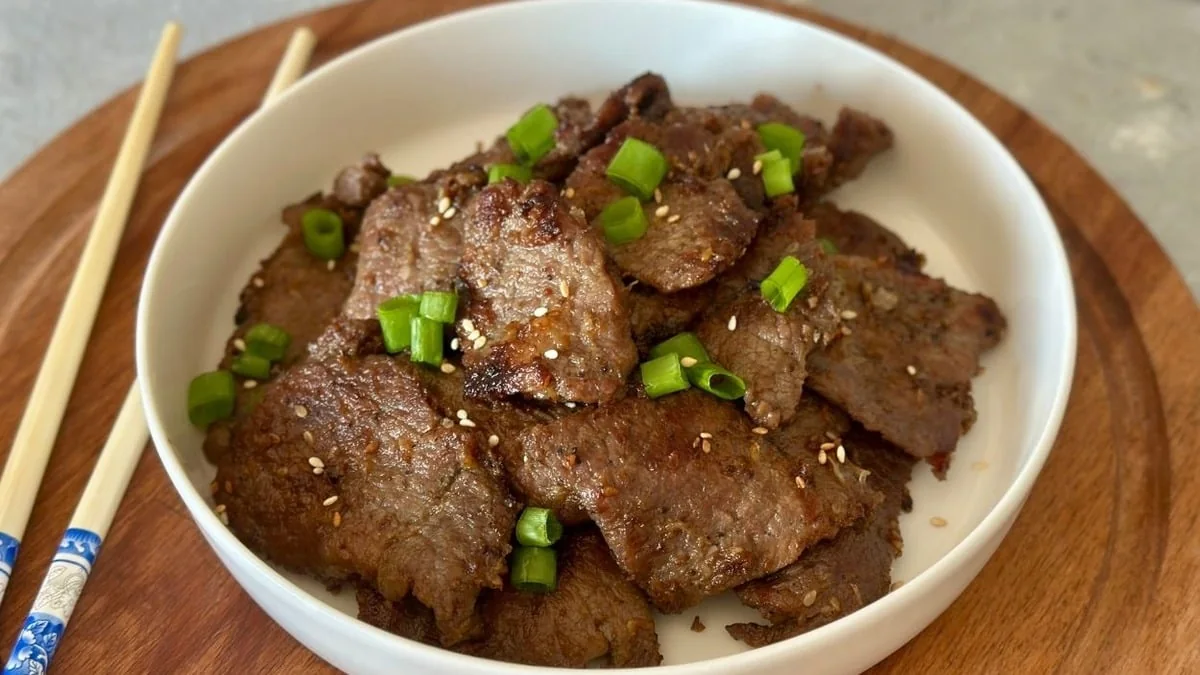
In Sporty's estimates, beef bulgogi with rice is about 520 kcal with 38 g of protein and bibimbap about 560 kcal with 28 g. Rice, fried chicken, sweet sauces and fatty barbecue cuts add the most calories. Lettuce wraps, vegetable side dishes, tofu stews and half the rice keep Korean meals lighter.
Key takeaways
- Bulgogi with rice is about 520 kcal with 38 g protein; bibimbap about 560 kcal with 28 g (Sporty estimates).
- About half of bibimbap's energy comes from 200 g of cooked rice; half the rice saves roughly 130 kcal.
- Korean fried chicken, tteokbokki, japchae and pork belly are the most energy-dense choices.
- Vegetable banchan and kimchi add volume for few calories but bring a lot of salt.
- Lettuce wraps, tofu stews and steamed dumplings are easy lighter swaps.
Is Korean food good for weight loss?
Korean cooking has a lot going for it: plenty of vegetables, fermented sides such as kimchi, soups and stews, tofu, eggs and grilled meat. Many meals are naturally high in volume and protein. The calories climb with large bowls of rice, deep-fried chicken, sweet and sticky sauces, fatty grilled cuts and sesame oil. Salt is the other thing to watch, because soy sauce, gochujang, doenjang and fermented sides are all salty.
The numbers in this guide are Sporty's per-serving estimates. Real values depend on the recipe, the restaurant and the portion, so use them as a realistic starting point.
How do popular Korean dishes compare?
| Dish | kcal | Protein | Carbs | Fat |
|---|---|---|---|---|
| Bibimbap | 560 | 28 g | 72 g | 18 g |
| Beef Bulgogi | 520 | 38 g | 40 g | 22 g |
| Chicken Dumplings | 400 | 24 g | 44 g | 14 g |
| Tofu and vegetable sauté | 420 | 32 g | 34 g | 20 g |
| Dish (one serving) | Calories | Protein | Carbs | Fat | Protein per 100 kcal |
|---|---|---|---|---|---|
| Dumplings (mandu-style, chicken) | 400 kcal | 24 g | 44 g | 14 g | 6.0 g |
| Tofu and vegetable stir-fry | 420 kcal | 32 g | 34 g | 20 g | 7.6 g |
| Beef bulgogi with 130 g rice | 520 kcal | 38 g | 40 g | 22 g | 7.3 g |
| Bibimbap with beef and egg | 560 kcal | 28 g | 72 g | 18 g | 5.0 g |
Bulgogi gives the most protein of the meat dishes, 38 g for 520 kcal. Bibimbap is a balanced bowl of vegetables, beef, egg and chilli paste, but about half its energy comes from the 200 g of cooked rice underneath. A tofu stir-fry is the lightest main and still delivers 32 g of protein. See the full breakdowns for bibimbap and beef bulgogi.
Where do the calories in Korean food come from?
Rice
A bowl of short-grain rice comes with almost every meal. Cooked white rice has roughly 130 kcal per 100 g (USDA), so the 130 g in the bulgogi serving is about 170 kcal and the 200 g in bibimbap about 260 kcal. Asking for half the rice in bibimbap saves roughly 130 kcal while keeping all the vegetables and the egg.
Frying and sauces
Korean fried chicken is double-fried and often coated in a sweet, sticky glaze, so it is one of the most energy-dense dishes on the menu. Tteokbokki (rice cakes in a sweet chilli sauce) and japchae (glass noodles stir-fried in sesame oil) are mostly starch and fat. Sesame oil has 9 kcal per gram like any other oil, and a generous drizzle adds up.
Korean barbecue
Grilling at the table is a sociable way to eat, but cuts such as pork belly (samgyeopsal) are fatty. Leaner choices include chicken, marinated beef sirloin or seafood. Wrapping the meat in lettuce or perilla leaves (ssam) with garlic, chilli and a little ssamjang adds crunch and volume with very few calories. The guide to grilling and barbecue has more ideas.
What about kimchi and the side dishes?
Banchan, the small side dishes served with the meal, are often vegetables: kimchi, seasoned spinach, bean sprouts, radish or cucumber. They add fibre and volume for few calories, and kimchi is a fermented food, covered in the guide to fermented foods. Some banchan are richer, such as potato or fish cake sides glazed with sugar and oil, so pick the plain vegetable ones first.
The trade-off is salt. The WHO advises adults to keep salt below 5 g a day and lists soy and fish sauce among the main sources. Kimchi, soy-based dipping sauces, chilli pastes and broth-based stews can take you close to that in one meal. Enjoy them, but go easy on extra dipping sauce and do not drink all the broth every time. More on daily limits in salt and sodium.
How do lighter and heavier orders compare?
| Order | Calories | Protein |
|---|---|---|
| Bibimbap + a portion of dumplings | 960 kcal | 52 g |
| Bulgogi with rice + dumplings | 920 kcal | 62 g |
| Bibimbap with half the rice + vegetable banchan | about 430 kcal + sides | about 26 g |
| Bulgogi in lettuce wraps, no rice, + vegetable banchan | about 350 kcal + sides | about 35 g |
The difference between the heaviest and lightest orders here is more than 500 kcal, and most of it comes from rice and dumpling wrappers, not from the meat or vegetables. Sharing dumplings as a starter rather than ordering a plate each is a simple middle way.
What are smart picks on a Korean menu?
- Bulgogi or grilled chicken with lettuce wraps and vegetable banchan.
- Bibimbap with half the rice or extra vegetables; a dolsot (hot stone bowl) version often uses more oil to crisp the rice.
- Stews such as sundubu jjigae (soft tofu) or doenjang jjigae, which bring protein and vegetables in a broth; eat the solids and leave some of the salty liquid.
- Steamed rather than fried dumplings.
- Korean fried chicken as a shared plate, not a main, if you want it.
Mixed bowls and shared tables are hard to log by hand. A photo is often easier: Sporty estimates the plate from a picture, and you can adjust the rice portion afterwards. For more ordering tips across cuisines, see the Asian takeaway guide.
How can you cook Korean-style meals lighter at home?
Home cooking gives you control over the two biggest levers, rice and oil. Measure the rice before serving, bulk out bibimbap with extra spinach, bean sprouts, carrot and courgette, and add a fried or soft-boiled egg for protein. Use sesame oil as a finishing flavour, a teaspoon at a time, rather than as the cooking fat. Lean beef, chicken thighs without skin or firm tofu all work well with a bulgogi-style marinade of soy sauce, garlic, ginger and grated pear or onion.
Does one Korean barbecue night ruin your progress?
No. Weight follows your intake over weeks, not one dinner. A bigger meal uses part of the week's deficit; there is no need to compensate by eating very little the next day. Women should not go below about 1,200 kcal a day and men below 1,500 kcal without medical supervision.
This article is general information, not medical advice. If you have high blood pressure, kidney disease or another condition that needs a low-salt diet, talk to a doctor or registered dietitian about how much soy sauce, kimchi and broth suits you.
Frequently asked questions
How many calories are in bibimbap?
Sporty estimates a serving of bibimbap with beef and egg at about 560 kcal with 28 g of protein. About half of that comes from the rice, so a half-rice bowl is noticeably lighter.
Is bulgogi healthy?
Bulgogi is a good protein source, about 520 kcal with 38 g of protein with rice in Sporty's estimates. The marinade contains sugar and soy sauce, so it is moderately sweet and salty.
Is kimchi good for weight loss?
Kimchi is very low in calories and adds flavour and volume to meals. It is salty, so keep portions moderate if you watch your salt intake.
What is the lightest thing to order at a Korean restaurant?
Grilled chicken or bulgogi in lettuce wraps with vegetable side dishes, a soft tofu stew, or bibimbap with half the rice are among the lighter choices.
Was this article helpful?
No ratings yet — be the first.
Tap a star to rate it — your rating helps us improve and helps other readers.
Sources
This article is general information, not medical advice. If you have a health condition, are pregnant or under 18, talk to a doctor or registered dietitian before changing your diet.