

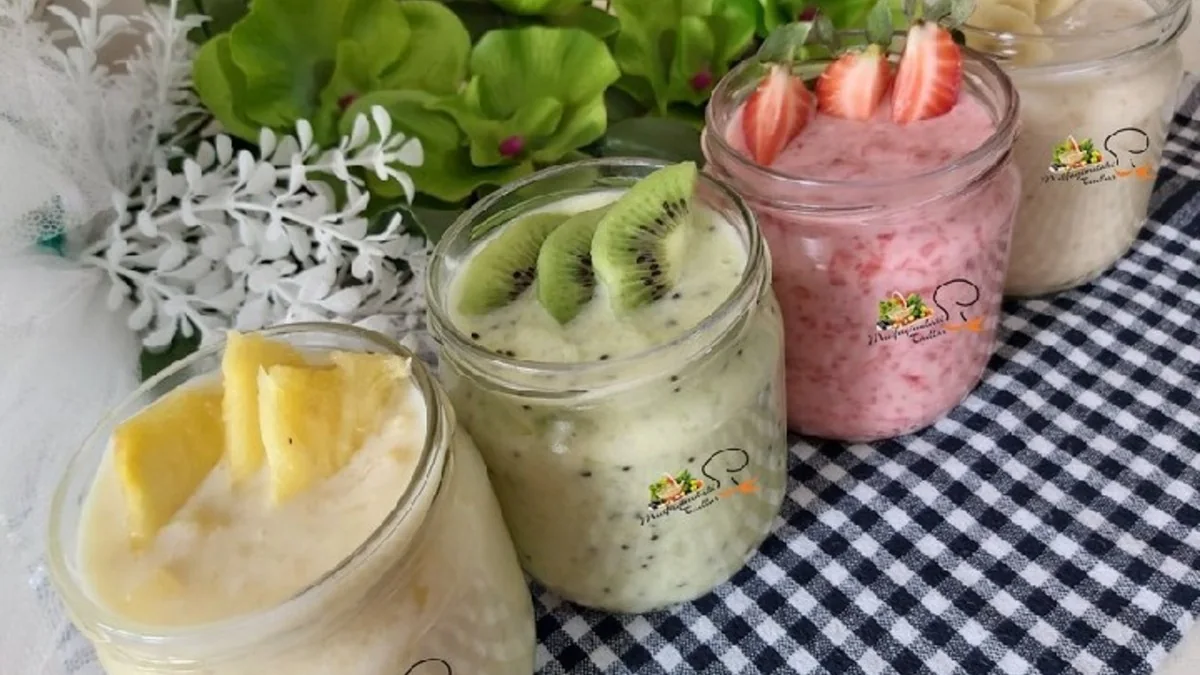
Fermented foods are made by letting bacteria or yeasts transform food, as in yogurt, kefir, ayran, cheese, turşu, sauerkraut and kimchi. Some still contain live microbes, but they are not automatically probiotics. Early research links them to a more diverse gut microbiome; they fit well in a varied diet, but watch the salt in pickles and cheese.
Key takeaways
- Fermented foods are defined by how they are made; not all of them still contain live microbes when you eat them.
- Fermented foods and probiotics are not the same thing: a probiotic is a specific microbe with a proven benefit.
- A small 2021 randomised trial found a high-fermented-food diet increased gut microbiota diversity, but evidence is still early.
- Plain and strained yogurt and kefir add protein for few calories; fermented vegetables are low in calories but high in salt.
- No fermented food causes weight loss by itself, but they can make lighter meals more satisfying.
What counts as a fermented food?
In 2021 an international expert panel convened by ISAPP (the International Scientific Association for Probiotics and Prebiotics) defined fermented foods as foods made through desired microbial growth and enzymatic conversions of food components. In plain words, bacteria or yeasts are deliberately allowed to work on milk, vegetables, grains, soy or meat, and they change the taste, texture and sometimes the nutrients of the food.
Many of these foods are already everyday staples in Turkey and around the world:
- Dairy: yogurt, kefir, ayran (yogurt diluted with water and salt), most cheeses and sour cream.
- Vegetables: brine-fermented turşu, sauerkraut and kimchi.
- Soy and grains: miso, tempeh, soy sauce, sourdough bread, tarhana and boza.
- Meat: traditional fermented sausages such as sucuk.
Fermentation began as a way to preserve food, and it still is one. The health interest is more recent, and the evidence behind it is more mixed than labels and social media suggest.
Are fermented foods the same as probiotics?
No, and the ISAPP consensus statement makes this distinction explicitly. A probiotic is a specific live microorganism that has been shown to provide a health benefit in a defined amount. A fermented food is defined by how it was made, not by what is alive in it at the moment you eat it.
- Often still contain live microbes: yogurt and kefir (unless heat-treated after fermentation), unpasteurised sauerkraut and kimchi, and many traditional turşu.
- Usually do not: sourdough bread and tarhana soup (baking and cooking kill the microbes), soy sauce, and most shelf-stable pickles, which are pasteurised or simply made with vinegar instead of fermentation.
Neither group is better or worse as food. It just means a jar labelled fermented is not automatically a source of live cultures, and a food with live cultures is not automatically a proven probiotic.
What does the evidence actually say?
The most quoted human study is a randomised trial from Stanford published in Cell in 2021 (Wastyk et al.). Healthy adults were assigned to either a high-fibre diet or a high-fermented-food diet, with 18 people in each group, over a 17-week study period. In the fermented-food group, gut microbiota diversity rose steadily and several inflammatory markers fell. In the high-fibre group, diversity stayed stable.
It is an interesting result, but it is one small study in healthy volunteers, and it measured markers rather than illness or body weight. The NHS is similarly cautious about probiotics: there is some evidence they may help in specific cases, such as easing some symptoms of irritable bowel syndrome, but little evidence for many of the health claims made about them, and products sold in shops may differ a lot from those tested in clinical trials.
A fair summary: fermented foods are a tasty, traditional part of a varied diet and may support gut health, but they are not a treatment, and no single food will reset your microbiome.
How many calories and how much protein do they have?
Fermented foods range from almost calorie-free to very energy-dense. Values per 100 g from USDA FoodData Central:
| Food (100 g) | kcal | Protein | Sodium |
|---|---|---|---|
| Plain whole-milk yogurt | 61 | 3.5 g | 46 mg |
| Greek yogurt, plain, whole milk | 97 | 9 g | 35 mg |
| Kefir, low-fat, plain | 43 | 3.8 g | 40 mg |
| Sauerkraut (canned) | 19 | 0.9 g | 661 mg |
| Kimchi | 15 | 1.1 g | 498 mg |
| Feta cheese | 265 | 14.2 g | 1,140 mg |
| Sour cream | 198 | 2.4 g | 31 mg |
Two patterns stand out. Strained, Greek-style yogurt has about two and a half times the protein of regular yogurt for the same weight, which makes it one of the easiest protein foods to add to breakfast; see our high-protein breakfast ideas. Fermented vegetables, on the other hand, are very low in calories but high in salt.
Why should you watch the salt in pickles and kimchi?
Vegetables are usually fermented in brine, so the salt stays in the food. Using the USDA values above, a 150 g bowl of kimchi has around 750 mg of sodium. The WHO recommends that adults keep sodium below 2,000 mg a day (less than 5 g of salt), so that one side dish covers more than a third of the daily limit. Feta and many white cheeses are similar: 50 g of feta adds about 570 mg.
That does not mean avoiding them. Use them as a side or a condiment rather than a main portion, choose less salty versions when you can, and balance the rest of the day with fresh foods. Our guide to salt and sodium limits has more practical tips.
Can fermented foods help with weight loss?
There is no good evidence that any fermented food causes weight loss by itself. Body weight still depends on energy balance. What fermented foods can do is make lighter meals more satisfying:
- Plain yogurt and kefir add protein to breakfast and snacks for relatively few calories.
- Pickles, sauerkraut and kimchi add a lot of flavour for 15–20 kcal per 100 g.
- Yogurt-based sauces such as cacık can replace mayonnaise-style dressings.
Watch the sweetened versions. Fruit yogurts, flavoured kefirs and drinkable yogurts often contain added sugar, which the WHO advises keeping below 10% of daily energy. Plain yogurt with fresh fruit gives you control over the sweetness.
What do fermented foods look like on a real plate?
Here are a few dishes from our meal catalog built around yogurt. These are Sporty's per-serving estimates; real values depend on recipe and portion.
| Dish | kcal | Protein | Carbs | Fat |
|---|---|---|---|---|
| Cacık | 120 | 7 g | 8 g | 7 g |
| Yogurt and fruit | 230 | 16 g | 32 g | 5 g |
| Çılbır | 380 | 20 g | 8 g | 30 g |
| Oats, yogurt and fruit | 390 | 22 g | 58 g | 9 g |
Çılbır shows that the topping matters as much as the yogurt: most of its 30 g of fat comes from the butter sauce and the eggs, not from the yogurt underneath.
How can you add more fermented foods to your week?
- Breakfast: plain or strained yogurt with fruit and oats, or a glass of plain kefir.
- Lunch: a glass of ayran with your meal instead of a sugary drink; mind the salt if you also eat pickles.
- Dinner: a spoonful of kimchi or sauerkraut beside grilled chicken or fish, or cacık next to a pilaf.
- Snacks: yogurt with a few walnuts, or kefir blended with fruit.
- Pair with fibre: gut bacteria also feed on fibre from legumes, vegetables and whole grains; see how much fibre you need.
If you log meals in Sporty, enter yogurt, kefir and pickles as separate items so that plain and sweetened versions, and their salt, are counted correctly.
Who should be careful?
For most people fermented foods are simply food. The NHS advises anyone with a weakened immune system or an existing health condition to talk to a doctor before taking probiotic supplements, and the same caution is sensible before eating large amounts of unpasteurised fermented products. For lactose intolerance, the NHS notes that symptoms can often be prevented by eating smaller portions of foods containing lactose, but advises not cutting foods out without advice from a GP or dietitian. If you have high blood pressure or kidney disease, ask your doctor or a registered dietitian how salty pickles and cheeses fit into your plan.
Frequently asked questions
Is ayran a fermented food?
Yes. Ayran is made from yogurt, which is a fermented dairy food, diluted with water and usually salted. Check the salt content if you drink it often.
Does sourdough bread contain probiotics?
No. The dough is fermented, but baking kills the bacteria and yeasts, so sourdough is a fermented food without live cultures.
Are fermented foods and probiotics the same?
No. A probiotic is a specific live microbe shown to provide a health benefit in a defined amount. A fermented food is defined by how it was made and may or may not contain live microbes.
Will kefir or kimchi help me lose weight?
Not by themselves. Weight change depends on overall energy balance, though plain kefir and yogurt add protein and fermented vegetables add flavour for very few calories.
Was this article helpful?
No ratings yet — be the first.
Tap a star to rate it — your rating helps us improve and helps other readers.
Sources
This article is general information, not medical advice. If you have a health condition, are pregnant or under 18, talk to a doctor or registered dietitian before changing your diet.