

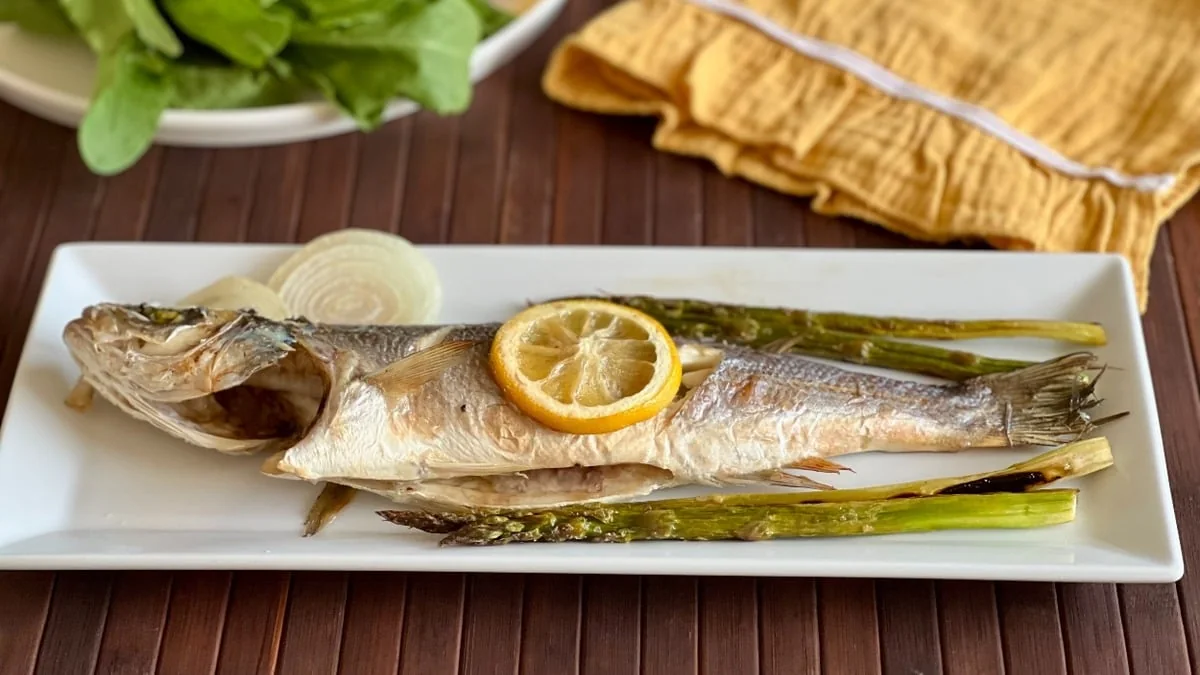
For a lighter barbecue, grill lean proteins such as chicken breast, fish or shrimp, trim visible fat and skin, and use yogurt, lemon and spices instead of lots of oil. Fill half the plate with salad and grilled vegetables. A chicken shish plate with shepherd's salad and cacık is about 660 kcal in Sporty's catalog.
Key takeaways
- Grilling needs little added oil, but fatty cuts, oily marinades, bread and drinks can still make a barbecue heavy.
- Chicken shish (380 kcal, 46 g protein per serving) gives the most protein per calorie among common grilled dishes.
- Skinless poultry, white fish, shrimp and trimmed lean beef are the leanest choices per 100 g.
- A tablespoon of olive oil is about 120 kcal, so marinate with yogurt, lemon and spices and brush oil on lightly.
- Avoid charring, turn meat often and cook to safe internal temperatures: 74 °C for poultry, 71 °C for mince.
Why is grilling a good fit for lighter eating?
Grilling cooks with dry, direct heat. You do not need a pan full of oil, and some of the fat in the meat drips away instead of being absorbed back into it. That is why the NHS suggests grilling rather than frying and not adding extra fat or oil when you cook meat.
A barbecue can still turn into one of the heaviest meals of the week. The calories rarely come from the grill itself. They come from fatty cuts, generous marinades, a basket of bread, creamy side salads and drinks that keep flowing for hours. The good news is that each of these is easy to adjust without giving up the mangal, the flavour or the company.
Which grilled dishes are the lightest?
The table below compares grilled and barbecue-style dishes from our meal catalog. These are Sporty's per-serving estimates; real values depend on recipe and portion.
| Dish (one serving) | kcal | Protein | Fat | Protein per 100 kcal |
|---|---|---|---|---|
| Chicken shish | 380 | 46 g | 18 g | 12.1 g |
| Grilled fish and vegetables | 450 | 48 g | 18 g | 10.7 g |
| Grilled salmon | 460 | 40 g | 30 g | 8.7 g |
| Grilled sirloin steak and asparagus | 580 | 54 g | 34 g | 9.3 g |
| Grilled meatballs, roasted potatoes and piyaz | 590 | 46 g | 22 g | 7.8 g |
| Adana kebab | 620 | 36 g | 34 g | 5.8 g |
| Hamburger | 640 | 34 g | 34 g | 5.3 g |
Chicken shish stands out: it has the fewest calories and the most protein per calorie, mainly because it is made from lean breast meat. Fish comes next. Adana kebab and burgers are made from minced meat with more fat, so they deliver more calories for less protein. None of this makes them off limits; it just helps you decide what goes on the grill most often. Our guide to which kebab is lightest goes through more kebab types.
Which meats and fish should you choose?
The cut you buy matters more than the cooking method. Here is how common grill choices compare per 100 g cooked, based on USDA FoodData Central:
| 100 g cooked | kcal | Protein | Fat |
|---|---|---|---|
| Shrimp | 99 | 24.0 g | 0.3 g |
| Cod | 105 | 22.8 g | 0.9 g |
| Turkey breast, no skin | 147 | 30.1 g | 2.1 g |
| Chicken breast, no skin | 165 | 31.0 g | 3.6 g |
| Chicken thigh, no skin | 179 | 24.8 g | 8.2 g |
| Top sirloin steak, fat trimmed | 188 | 30.3 g | 6.6 g |
| Farmed Atlantic salmon | 206 | 22.1 g | 12.4 g |
A few simple rules follow from these numbers:
- Take the skin off poultry. The NHS points out that poultry skin is much higher in fat than the meat itself.
- Trim visible fat from steaks and chops, and ask the butcher for a leaner cut. The more white fat you can see, the more fat the meat contains.
- Ask for leaner mince for köfte. Fattier mince makes juicier meatballs but also more calories per bite.
- Put fish and shrimp on the grill. White fish and shrimp are among the leanest proteins you can cook. Salmon is fattier, but a normal portion still fits a lighter plate.
Chicken thigh is a good middle ground: a little more fat than breast, so it stays juicy, while still being far leaner than most minced-meat kebabs.
How do you keep marinades and sides light?
Oil is the easiest place for calories to hide. Olive oil has about 120 kcal per tablespoon (USDA), so a marinade made with half a glass of oil adds a lot more than you might think, even if some of it stays in the bowl. Lighter marinades rely on:
- Yogurt, which tenderises chicken and lamb, as in a classic tavuk şiş marinade.
- Lemon juice, grated onion, garlic, tomato or pepper paste.
- Spices such as cumin, pul biber, sumac, oregano and black pepper.
- Just a spoonful of oil to stop sticking, brushed on rather than poured.
Our comparison of cooking oils explains why every oil, olive oil included, has similar calories per gram.
Sides can make or break the meal. Our catalog estimates per serving: shepherd's salad 160 kcal, cacık 120 kcal, roasted vegetables 240 kcal, walnut tomato salad (gavurdağı) 260 kcal and bulgur pilaf 290 kcal. Grilled peppers, tomatoes, onions and aubergine cost very few calories and make the plate look full. Bread and lavash are fine too; decide on a portion before the meat arrives instead of eating from the basket all evening.
What does a lighter mangal plate look like?
Here are two plates from the same barbecue, using our per-serving estimates:
| Plate | What is on it | kcal | Protein |
|---|---|---|---|
| Lighter | Chicken shish, shepherd's salad, cacık | 660 | 56 g |
| Heavier | Adana kebab, bulgur pilaf, walnut tomato salad | 1,170 | 49 g |
The lighter plate has about 510 fewer calories and more protein. You do not have to choose one or the other every time. A useful approach is to fill half the plate with salad and grilled vegetables, a quarter with lean meat or fish and a quarter with bulgur, bread or potatoes. If you want Adana, have it with salad instead of pilaf and bread together.
How do you grill more safely?
Very high heat, open flames and smoke produce compounds called heterocyclic amines (HCAs) and polycyclic aromatic hydrocarbons (PAHs). According to the US National Cancer Institute, these caused cancer in animal studies at doses far higher than people normally eat, and studies in people have not established a definite link. Still, it makes sense to reduce them where you easily can:
- Avoid long cooking over very high heat and do not let flames touch the meat.
- Turn the meat often rather than leaving it in one place.
- Cut off any charred or burnt parts before eating.
- Choose smaller pieces, such as şiş cubes, that cook quickly.
Food safety matters just as much outdoors. The CDC recommends using a food thermometer and cooking to these internal temperatures:
- Whole cuts of beef, lamb and pork, and fish: 63 °C (145 °F), with a 3-minute rest for meat.
- Minced meat such as köfte and burgers: 71 °C (160 °F).
- All poultry, including chicken wings and minced chicken: 74 °C (165 °F).
Keep raw meat and its juices away from salads, use separate boards and plates, and do not leave food out for more than two hours, or one hour on a hot day above 32 °C.
What about drinks?
Long summer barbecues are often where liquid calories add up. Alcohol has 7 kcal per gram on top of whatever mixers come with it; see our guide to calories in beer, wine and rakı. Water, ayran or mineral water between drinks keeps the total in check. If you want to see how a whole evening adds up, logging the plate with a photo in Sporty takes a few seconds and shows the calories and protein for the day.
Frequently asked questions
Is grilled meat healthier than fried meat?
Grilling usually adds less fat than frying because you do not need much oil and some fat drips away. The NHS recommends grilling rather than frying for this reason.
What is the lowest-calorie thing to put on the barbecue?
Vegetables, followed by shrimp and white fish such as cod. Among meats, skinless chicken or turkey breast is the leanest per 100 g.
Is charred meat dangerous?
Charring and smoke form HCAs and PAHs, which caused cancer in animals at very high doses. Human studies have not shown a definite link, but cutting off charred parts and avoiding flare-ups is a sensible precaution.
How many calories does a barbecue meal have?
It varies widely. In Sporty's catalog, chicken shish with shepherd's salad and cacık is about 660 kcal, while Adana kebab with bulgur pilaf and walnut tomato salad is about 1,170 kcal.
Was this article helpful?
No ratings yet — be the first.
Tap a star to rate it — your rating helps us improve and helps other readers.
Sources
This article is general information, not medical advice. If you have a health condition, are pregnant or under 18, talk to a doctor or registered dietitian before changing your diet.