

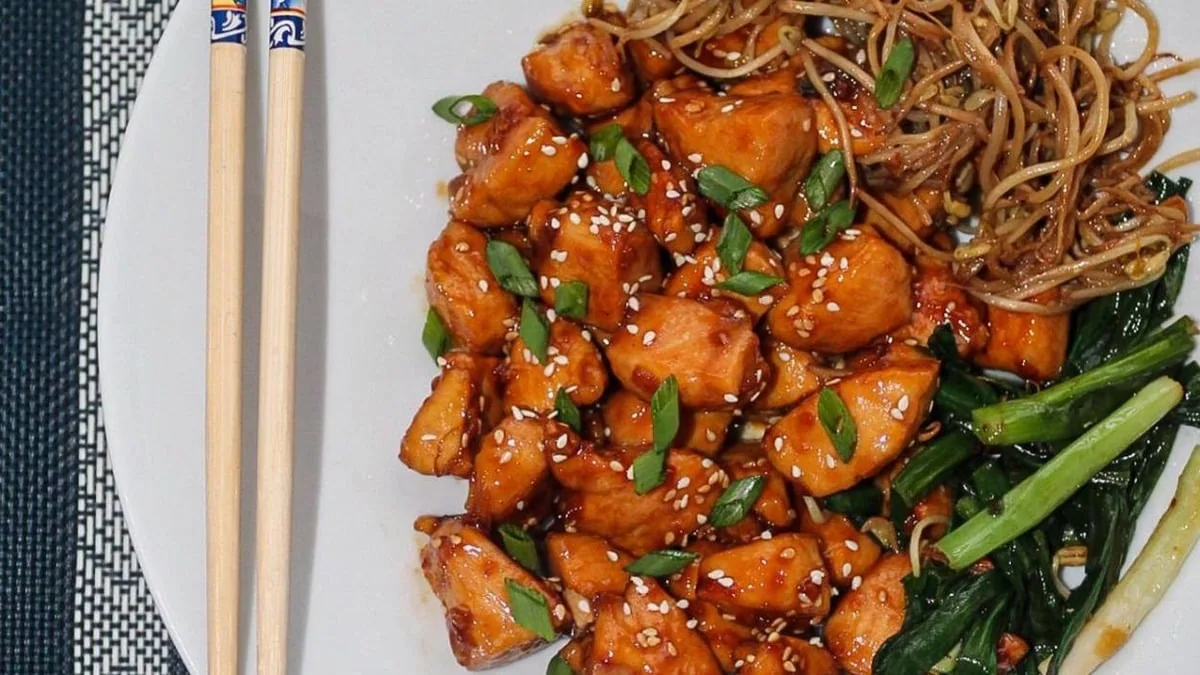
Japanese food can be one of the lighter restaurant options if you watch three things: rice portions, fried items and sweet glazes. In Sporty's catalog, teriyaki chicken with rice gives 42 g of protein for 520 kcal, while sushi rolls give 18 g for 420 kcal. A lean protein, vegetables and a moderate rice portion is the lightest filling pattern.
Key takeaways
- Rice is the main calorie source in most Japanese meals; a sushi roll serving can contain about 200 g of cooked rice.
- Teriyaki chicken with rice (520 kcal, 42 g protein) is more filling per calorie than sushi rolls (420 kcal, 18 g).
- Tempura and other fried items add fat at 9 kcal per gram; grilled, steamed and raw options are lighter.
- Soy sauce, miso and ramen broth are salty; the WHO advises under 5 g of salt a day.
- Pairing a protein main with vegetable sides keeps the meal light and satisfying.
Is Japanese food good for weight loss?
Japanese cooking has a reputation for being light, and much of it is: grilled fish, steamed rice, clear soups, pickled and raw vegetables, tofu and seaweed. But a Japanese restaurant menu also includes deep-fried tempura, katsu cutlets, mayonnaise-topped rolls, rich pork-bone ramen and sweet glazes. The same cuisine can give you a 400 kcal dinner or a 1,000 kcal one.
The good news is that the lighter choices are easy to spot once you know where the calories hide. The numbers below are Sporty's per-serving estimates; real values depend on recipe, restaurant and portion.
How do popular Japanese dishes compare?
| Dish | kcal | Protein | Carbs | Fat |
|---|---|---|---|---|
| Onigiri Rice Balls | 280 | 10 g | 54 g | 3 g |
| Gyoza | 380 | 18 g | 42 g | 15 g |
| Sushi Rolls | 420 | 18 g | 70 g | 7 g |
| Teriyaki Chicken with Rice | 520 | 42 g | 54 g | 14 g |
| Teriyaki Salmon | 520 | 38 g | 36 g | 24 g |
| Ramen | 560 | 30 g | 66 g | 18 g |
| Dish | Calories | Protein | Carbs | Fat | Protein per 100 kcal |
|---|---|---|---|---|---|
| Onigiri rice balls (tuna) | 280 kcal | 10 g | 54 g | 3 g | 3.6 g |
| Gyoza (6 pieces) | 380 kcal | 18 g | 42 g | 15 g | 4.7 g |
| Sushi rolls | 420 kcal | 18 g | 70 g | 7 g | 4.3 g |
| Teriyaki chicken with rice | 520 kcal | 42 g | 54 g | 14 g | 8.1 g |
| Teriyaki salmon with rice | 520 kcal | 38 g | 36 g | 24 g | 7.3 g |
| Ramen with chashu pork | 560 kcal | 30 g | 66 g | 18 g | 5.4 g |
| Teriyaki meatball bowl | 610 kcal | 34 g | 66 g | 22 g | 5.6 g |
Two things stand out. First, the rice-heavy dishes (onigiri, sushi) are modest in calories but low in protein, so they may not keep you full for long. Second, the teriyaki plates, built around a portion of chicken or salmon, deliver two to four times more protein per serving. Teriyaki chicken and teriyaki salmon have the same calories, but the salmon brings more fat (24 g, mostly from the fish itself) and the chicken more protein.
Where do the calories in Japanese food come from?
Rice
Rice is the base of most Japanese meals, and the portion decides a lot. In our recipes a sushi roll serving uses about 200 g of cooked sushi rice, an onigiri serving uses about 180 g, and the teriyaki chicken plate uses 150 g. Sushi rice is also seasoned with vinegar, sugar and salt. If you want a lighter plate, ask for a smaller rice portion or share one, and put more of the meal into protein and vegetables.
Frying and mayonnaise
Tempura, katsu (breaded cutlets), karaage (fried chicken) and "crunchy" rolls with fried flakes all absorb oil, and so do rolls topped with spicy mayo or cream cheese. Fat has 9 kcal per gram, more than twice protein or carbohydrate at 4 kcal per gram, so a little extra adds up quickly. Grilled (yakitori, shioyaki), steamed, simmered and raw options are usually much lighter.
Sweet glazes and sauces
Teriyaki, unagi (eel) sauce and many dressings are sweetened. Our teriyaki estimates include 2 tablespoons of sauce. Asking for sauce on the side lets you use what you need.
Broth
Clear broths and miso soup are low in calories, but rich ramen broths, especially creamy pork-bone styles, carry noticeable fat. You don't have to finish the broth to enjoy the bowl.
What are the lightest choices on a Japanese menu?
- Sashimi or nigiri instead of specialty rolls. Sashimi is fish without rice, and nigiri has a small rice base. Both give protein with far less rice than a large roll.
- Grilled fish or chicken plates. Salt-grilled fish, yakitori skewers and plain grilled chicken are the closest thing to a lean main.
- Edamame, seaweed salad, cucumber salad and miso soup as starters. They add volume and some protein or fibre before the main arrives, so you are less likely to over-order.
- Tofu dishes. Steamed or simmered tofu is a good plant protein; deep-fried tofu is heavier.
- Teriyaki with sauce on the side and half the rice. You keep the 42 g of protein and save a good share of the carbohydrate.
Ordering in rounds also helps, especially at sushi bars and shared tables. Start with soup, edamame or a salad and one main, eat slowly, and only then decide whether you want more. Shared platters make it hard to see how much you have eaten, so putting your pieces on your own plate gives you a clearer picture.
What does a lighter Japanese meal look like?
Here are combinations using catalog numbers only:
| Order | Calories | Protein | Notes |
|---|---|---|---|
| Teriyaki chicken with rice | 520 kcal | 42 g | One plate, high protein; ask for sauce on the side |
| Sushi rolls + gyoza | 800 kcal | 36 g | Popular combo, but most of it is rice and wrappers |
| Ramen + gyoza | 940 kcal | 48 g | A heavy pairing; share the gyoza |
| Onigiri + gyoza | 660 kcal | 28 g | A light lunch, moderate protein |
If you are aiming for roughly 500–600 kcal for a meal, one protein main with vegetable sides fits comfortably. Two rice-based dishes together usually push the meal past 650 kcal while giving less protein than a single teriyaki plate. For more on how protein helps you stay full, see how much protein you need per day. You can also look up sushi and ramen on their own calorie pages.
What about salt in Japanese food?
Soy sauce, miso, pickles and ramen broth make many Japanese meals salty, even when they are light in calories. The WHO recommends adults keep salt below 5 g a day (2 g of sodium). Salt does not add calories, but it can raise blood pressure over time and causes short-term water retention that shows up on the scale the next morning.
- Pour soy sauce into the dish and dip lightly instead of soaking the rice.
- Ask for reduced-salt soy sauce if the restaurant has it.
- Enjoy the noodles and toppings in ramen but leave most of the broth.
Our guide to salt and sodium limits explains more. If you have high blood pressure or kidney disease, talk to your doctor about how much salt is right for you.
How do you log a Japanese meal accurately?
Sushi and shared plates are hard to estimate because pieces vary in size and rice is hidden inside. Count the pieces you actually ate, log sauces and fried items separately, and note the rice portion. Sporty can estimate a plate of sushi or a ramen bowl from a photo and break it into calories, protein, carbs and fat, which is handy when the restaurant has no nutrition information.
For other cuisines, our guide to calorie-smart Asian takeaway compares Thai, Korean, Chinese and Indian dishes, and our restaurant guide covers eating out in general.
This is general information, not medical advice. If you are pregnant, ask your doctor which raw fish and sushi are safe to eat.
Frequently asked questions
How many calories are in sushi?
Sporty estimates a serving of sushi rolls at about 420 kcal with 18 g of protein. Specialty rolls with tempura, mayonnaise or cream cheese are higher.
Is ramen fattening?
No single food is fattening on its own, but a ramen bowl is about 560 kcal in Sporty's catalog, and more with rich broth or extra toppings. Leaving some broth and skipping fried sides keeps it lighter.
What is the most filling Japanese dish for the calories?
Grilled fish, sashimi and teriyaki chicken give the most protein per calorie. Teriyaki chicken with rice has 42 g of protein for 520 kcal.
Is teriyaki sauce high in calories?
Teriyaki sauce is sweetened and salty. A couple of tablespoons is usually fine; ask for it on the side if you want to control the amount.
Was this article helpful?
No ratings yet — be the first.
Tap a star to rate it — your rating helps us improve and helps other readers.
Sources
This article is general information, not medical advice. If you have a health condition, are pregnant or under 18, talk to a doctor or registered dietitian before changing your diet.