

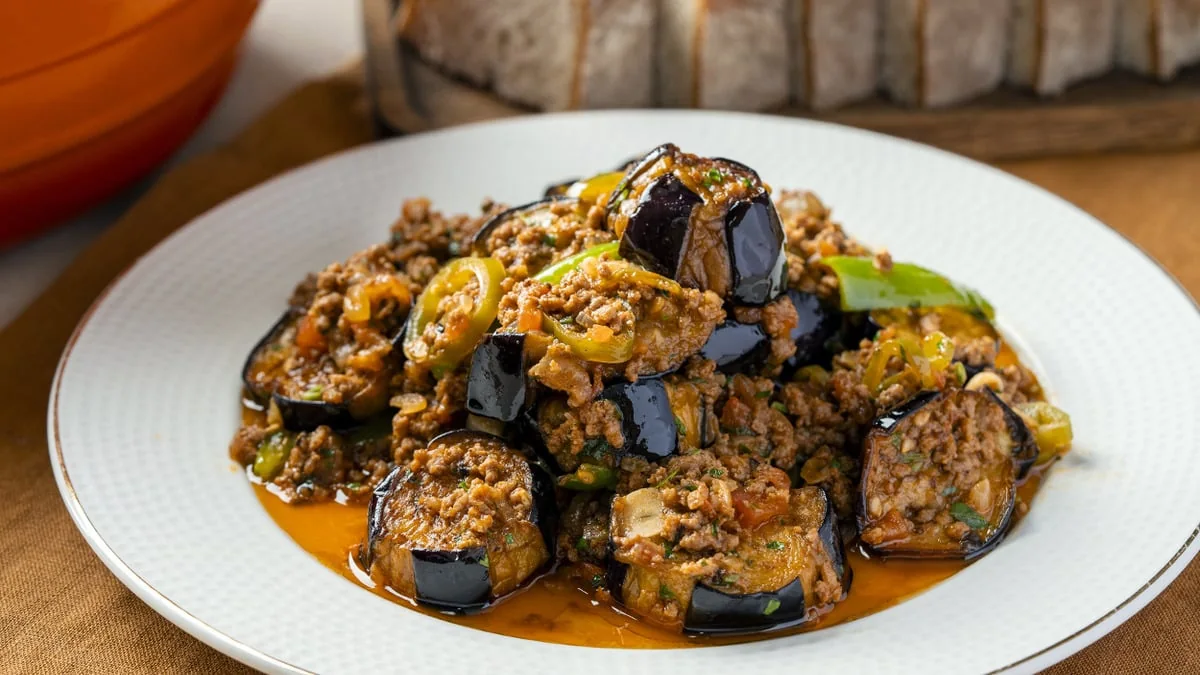
In Sporty's estimates, a chicken souvlaki-style skewer is about 380 kcal with 46 g of protein, while moussaka is about 480 kcal with 33 g of fat. Grilled meat or fish, bean and vegetable dishes and tzatziki keep Greek meals lighter; olive oil, feta, fried starters and extra pitta add up fastest.
Key takeaways
- Grilled chicken skewers (similar to souvlaki) are about 380 kcal with 46 g of protein in Sporty's estimates.
- Moussaka is about 480 kcal, with most of its energy from fat (33 g).
- A Greek salad is about 290 kcal, but most of its 23 g of fat comes from olive oil and feta.
- Souvlaki with a Greek salad is about 670 kcal with 55 g of protein; moussaka with the same salad is about 770 kcal with 31 g.
- Ask for dressing on the side, choose one starch and pick grilled over fried.
Is Greek food good for weight loss?
Greek cooking has a lot going for it: vegetables, pulses, fish, yogurt, herbs and lemon. It is one of the cuisines behind the Mediterranean eating pattern. The catch is olive oil, cheese and bread. They are nourishing, but they are calorie-dense, and taverna portions can be generous with all three. The dish choice and the amount of oil usually decide whether a Greek meal is light or heavy.
The numbers below are Sporty's per-serving estimates for dishes that are the same as, or very close to, common Greek dishes. Real values depend on the recipe, the restaurant and the portion, so treat them as a realistic starting point.
How do popular Greek dishes compare?
| Dish | kcal | Protein | Carbs | Fat |
|---|---|---|---|---|
| Greek Salad | 290 | 9 g | 13 g | 23 g |
| Stuffed Vine Leaves | 300 | 5 g | 42 g | 13 g |
| Chicken Shish Kebab | 380 | 46 g | 8 g | 18 g |
| Baked Sea Bream | 400 | 42 g | 12 g | 20 g |
| Eggplant Moussaka | 480 | 22 g | 24 g | 33 g |
Sorted by calories, with protein per 100 kcal as a simple hint of how filling each dish may be:
| Dish (closest catalog match) | Calories | Protein | Fat | Protein per 100 kcal |
|---|---|---|---|---|
| Tzatziki (cacık) | 120 kcal | 7 g | 7 g | 5.8 g |
| Fasolakia (green beans in olive oil) | 210 kcal | 5 g | 11 g | 2.4 g |
| Gigantes-style beans in olive oil | 260 kcal | 11 g | 9 g | 4.2 g |
| Greek salad | 290 kcal | 9 g | 23 g | 3.1 g |
| Dolmades (stuffed vine leaves) | 300 kcal | 5 g | 13 g | 1.7 g |
| Chicken skewers (souvlaki-style) | 380 kcal | 46 g | 18 g | 12.1 g |
| Gemista (stuffed peppers) | 380 kcal | 18 g | 16 g | 4.7 g |
| Baked sea bream | 400 kcal | 42 g | 20 g | 10.5 g |
| Moussaka | 480 kcal | 22 g | 33 g | 4.6 g |
| Chicken gyros-style wrap (döner wrap) | 560 kcal | 38 g | 22 g | 6.8 g |
Grilled chicken and baked fish are the clear protein winners, with more than 10 g of protein per 100 kcal. Chicken skewers give 46 g of protein for 380 kcal. Moussaka is a filling, comforting dish, but the béchamel topping and eggplant that soaks up oil give it 33 g of fat, which makes it the heaviest plate here relative to its protein.
Where do the calories in Greek food come from?
Olive oil
Olive oil is central to Greek cooking and a good source of unsaturated fat, but it is still fat: 9 kcal per gram, and one tablespoon adds roughly 120 kcal (USDA FoodData Central). Vegetable dishes cooked in oil, known as ladera, such as green beans in olive oil, are light in calories for their volume only when the oil is measured. A Greek salad at about 290 kcal gets most of its energy from oil and feta, not from the vegetables.
Feta and other cheeses
Feta adds protein and calcium but also fat and salt. A traditional slab on top of a salad is often more than a standard portion. The WHO advises adults to keep salt below 5 g a day, and feta, olives and cured meats add up quickly.
Bread, pitta and fried starters
Pitta with every dip, bread on the table, fried courgette, saganaki (fried cheese) and chips with gyros are where a light meal grows. Pick one starch for the meal rather than bread, pitta, rice and chips together.
How do lighter and heavier orders compare?
| Order | Calories | Protein |
|---|---|---|
| Moussaka + Greek salad | 770 kcal | 31 g |
| Chicken skewers + Greek salad | 670 kcal | 55 g |
| Dolmades + tzatziki + green beans (meze-style) | 630 kcal | 17 g |
| Baked sea bream + green beans in olive oil | 610 kcal | 47 g |
| Chicken skewers + tzatziki + half a Greek salad | 645 kcal | about 58 g |
Swapping moussaka for chicken skewers alongside the same Greek salad saves about 100 kcal and adds 24 g of protein. The vegetarian meze plate is moderate in calories but low in protein, so add tzatziki, beans or a yogurt dish if you want it to keep you full. For more context on how this cuisine fits a wider pattern, see Mediterranean diet meals and calories.
What are the best lighter Greek choices?
- Choose grilled. Souvlaki, grilled octopus, grilled or baked fish and chicken are lighter than fried or béchamel-topped dishes.
- Order the salad with dressing on the side, and ask for a smaller portion of feta or share it.
- Use tzatziki as your sauce. Yogurt-based dips are lighter than oil-based ones and add some protein.
- Pick one starch. Pitta, rice, potatoes or bread, not all of them.
- Share the richer dishes. Moussaka, pastitsio and spanakopita are easier to fit as a shared plate.
- Fill up on beans and vegetables. Vegetable and bean dishes like stuffed vine leaves or gigantes are good sides, as long as the oil is not excessive.
Logging a taverna table with several shared plates is easier with a photo: Sporty can estimate the plate from a picture, and you can adjust your share afterwards. Our restaurant guide has more general ordering tips.
Does one taverna dinner ruin a calorie deficit?
No. Weight change follows your intake across the week, not one meal. A generous dinner on holiday or with friends uses part of the week's deficit; it does not cancel it, and there is no need to skip meals the next day to make up for it. Going below about 1,200 kcal a day for women or 1,500 kcal for men should only happen under medical supervision.
This article is general information, not medical advice. If you have high blood pressure, kidney disease or diabetes, are pregnant or have a history of disordered eating, talk to a doctor or registered dietitian about what suits you.
Frequently asked questions
What is the lightest thing to order at a Greek restaurant?
Grilled chicken or fish with a salad (dressing on the side) and tzatziki is light and high in protein. Add one starch rather than several.
How many calories are in a Greek salad?
Sporty estimates a Greek salad at about 290 kcal, with 23 g of fat, most of it from olive oil and feta. Real values depend on the portion and dressing.
Is moussaka high in calories?
Sporty estimates moussaka at about 480 kcal per serving with 33 g of fat, because of the oil absorbed by the eggplant and the béchamel topping.
Is tzatziki healthy?
Tzatziki is yogurt-based, so it is lighter than most oil-based dips and adds some protein. Watch the portion of pitta that goes with it.
Was this article helpful?
No ratings yet — be the first.
Tap a star to rate it — your rating helps us improve and helps other readers.
Sources
This article is general information, not medical advice. If you have a health condition, are pregnant or under 18, talk to a doctor or registered dietitian before changing your diet.