 Sporty
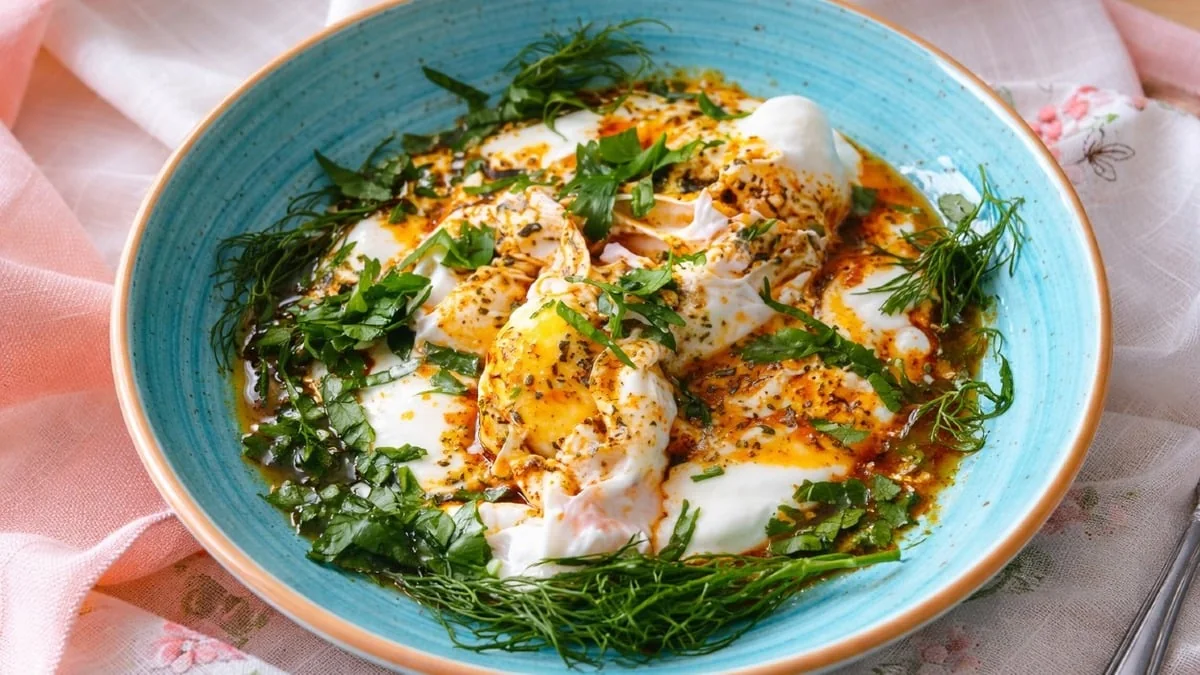
A high-protein breakfast usually provides about 20 to 40 g of protein. Good options include a protein shake (about 30 g), protein pancakes (30 g), menemen with white cheese (28 g), a cottage cheese fruit bowl (26 g) and oats with yogurt (22 g). Dairy-based choices give the most protein per calorie.
Key takeaways
- Aim for roughly 20–40 g of protein at breakfast, in line with the ISSN guidance of about 0.25 g per kg per meal.
- Cottage cheese bowls and protein shakes give the most protein per calorie.
- Menemen with white cheese is one of the strongest Turkish breakfast options at about 28 g of protein.
- Eggs are the easiest upgrade: a large egg adds about 6 g of protein for around 72 kcal.
- Bread, honey, kaymak and butter add calories with little protein, so portion them deliberately.
How much protein should a high-protein breakfast have?
A useful target for most adults is roughly 20 to 40 g of protein at breakfast. The ISSN position stand on protein and exercise suggests spreading protein across the day in servings of about 0.25 g per kilogram of body weight, or roughly 20 to 40 g per meal in absolute terms. Many traditional breakfasts, such as toast with jam, a simit or a bowl of cereal, land well below that, which leaves a lot of protein to make up later in the day.
For context, the protein RDA for adults is 0.8 g per kilogram of body weight per day, while the ISSN suggests 1.4 to 2.0 g per kilogram for people who exercise regularly. For a 70 kg person that is 56 g a day at the RDA and about 98 to 140 g for an active lifestyle. Getting 25 to 30 g at breakfast makes the higher range far easier to reach. Our guide to how much protein you need per day explains the targets in more detail.
What are the best high-protein breakfast ideas?
The table below ranks the breakfast dishes in our catalog by protein per serving. These are Sporty's per-serving estimates; real values depend on the recipe, the brand of yogurt or cheese and how big your portion is.
| Dish | kcal | Protein | Carbs | Fat |
|---|---|---|---|---|
| Protein Pancakes | 380 | 30 g | 40 g | 10 g |
| Protein Shake | 300 | 30 g | 30 g | 6 g |
| Menemen and white cheese | 460 | 28 g | 24 g | 28 g |
| Cottage cheese and walnut fruit bowl | 280 | 26 g | 22 g | 8 g |
| Eggs with Turkish Sausage | 450 | 24 g | 3 g | 38 g |
| Oats, yogurt and fruit | 390 | 22 g | 58 g | 9 g |
| Avocado toast with poached eggs | 410 | 22 g | 32 g | 20 g |
| Vegetable Omelette | 320 | 22 g | 10 g | 21 g |
| Vegetable Frittata | 340 | 22 g | 10 g | 23 g |
| Spinach Omelette | 300 | 21 g | 6 g | 21 g |
| Turkish Poached Eggs with Yogurt | 380 | 20 g | 8 g | 30 g |
| Yogurt and fruit | 230 | 16 g | 32 g | 5 g |
Which breakfasts give the most protein per calorie?
Total protein is only half the picture. If you are managing your weight, protein per 100 kcal tells you how efficiently a breakfast delivers it. Using the same catalog estimates:
| Breakfast | kcal | Protein (g) | Protein per 100 kcal |
|---|---|---|---|
| Protein shake | 300 | 30 | 10.0 g |
| Cottage cheese and walnut fruit bowl | 280 | 26 | 9.3 g |
| Protein pancakes | 380 | 30 | 7.9 g |
| Menemen and white cheese | 460 | 28 | 6.1 g |
| Oats, yogurt and fruit | 390 | 22 | 5.6 g |
| Avocado toast with poached eggs | 410 | 22 | 5.4 g |
| Çılbır | 380 | 20 | 5.3 g |
| Eggs with sucuk | 450 | 24 | 5.3 g |
The pattern is clear: dairy-based options and dedicated protein recipes give the most protein for the fewest calories, while egg dishes cooked with plenty of butter, oil or sucuk deliver similar protein with more fat. Eggs with sucuk, for example, carry about 38 g of fat per serving, compared with 10 g for protein pancakes.
Which high-protein breakfast suits your morning?
Five-minute weekday options
- Cottage cheese and walnut fruit bowl (about 280 kcal, 26 g protein). No cooking, and it keeps well if you prepare it the night before.
- Protein shake (about 300 kcal, 30 g protein). Practical before or after a morning workout or when you eat on the move.
- Oats, yogurt and fruit (about 390 kcal, 22 g protein). Prepare as overnight oats; a thick, strained yogurt raises the protein further.
Turkish breakfast favourites
- Menemen with white cheese (about 460 kcal, 28 g protein). Eggs, tomatoes and peppers with a slice of cheese make it one of the strongest classic options.
- Çılbır (about 380 kcal, 20 g protein). Poached eggs on garlic yogurt; ask for or make it with less butter on top to lower the fat.
- Eggs with sucuk (about 450 kcal, 24 g protein). Fine occasionally, but the fattiest choice here.
Weekend and brunch
- Protein pancakes (about 380 kcal, 30 g protein). Made with eggs and dairy or protein powder, they feel indulgent while staying lean.
- Avocado toast with poached eggs (about 410 kcal, 22 g protein). Most of the calories come from the bread and avocado, so an extra egg is the simplest protein boost.
What if you do not eat eggs or meat?
Many of the highest-scoring options above are already vegetarian. The cottage cheese bowl, oats with yogurt, protein pancakes and a protein shake all reach 22 to 30 g without eggs or meat. If you avoid dairy as well, build breakfast around soy yogurt, tofu scramble, soy or pea protein drinks and nut butters, and check labels, since plant-based yogurts and milks vary a lot in protein. Pairing two sources, for example oats with a soy protein drink, is an easy way to reach 20 g or more.
How can you make a Turkish breakfast table higher in protein?
A traditional kahvaltı spread can be high or low in protein depending on what fills the plate. A large egg provides about 6 g of protein for around 72 kcal (USDA FoodData Central), so eggs are the easiest lever. Practical changes:
- Put eggs at the centre. Two or three eggs, boiled, poached or as menemen, rather than one egg next to a pile of bread.
- Choose protein-dense cheeses. White cheese and lor are good options; compare labels, because fat and salt vary widely between products.
- Add a bowl of yogurt. Plain or strained yogurt adds protein with little effort.
- Keep the extras in proportion. Honey, kaymak, jam, butter and extra bread add calories without much protein. Decide on a portion rather than grazing.
- Treat sucuk and pastırma as a side. They provide protein but also a lot of fat and salt.
A worked example: building breakfast around your target
Take an active 70 kg person aiming for 1.6 g of protein per kilogram, about 112 g a day. Spread over four meals, that is roughly 28 g per meal. Menemen with white cheese (about 28 g) hits the target in one dish. The oats, yogurt and fruit bowl (about 22 g) falls a little short, so a boiled egg on the side brings it to around 28 g. A slice of toast with jam alone would leave almost the entire target for later meals.
If your mornings vary, an app can help with the arithmetic. Sporty's “What should I eat?” suggestions match meals to your remaining calories, protein and diet, which is useful on days when breakfast is all you have time to plan.
What are common high-protein breakfast mistakes?
- Counting the bread as the meal. Simit, poğaça and toast are mainly carbohydrate; pair them with a real protein source.
- Relying on juice. Fruit juice adds sugar and calories without protein. Whole fruit with yogurt is a better fit.
- Ignoring cooking fat. Butter in the pan and on top of çılbır can add more calories than the eggs.
- Going extreme. You do not need very high protein at every meal. Hitting your daily total consistently matters more; see macros explained for how protein fits with carbs and fat.
If you have kidney disease, are pregnant or are under 18, talk to a doctor or registered dietitian before significantly increasing your protein intake.
Frequently asked questions
How much protein should I eat at breakfast?
Around 20 to 40 g suits most adults. The ISSN suggests about 0.25 g of protein per kilogram of body weight per meal, or roughly 20 to 40 g, with the higher end for larger or very active people.
What is the highest-protein Turkish breakfast?
In Sporty's catalog, menemen with white cheese is the highest at about 28 g of protein per serving, followed by eggs with sucuk (24 g) and çılbır (20 g).
How much protein is in an egg?
A large egg has about 6 g of protein and around 72 kcal according to USDA FoodData Central.
Is a protein shake a good breakfast?
It can be a practical option at about 30 g of protein for 300 kcal, especially on busy mornings, but whole-food breakfasts also bring fibre and other nutrients.
Can I eat a high-protein breakfast without eggs?
Yes. A cottage cheese fruit bowl (about 26 g), oats with yogurt (about 22 g) or a protein shake (about 30 g) are egg-free options.
Sources
This article is general information, not medical advice. If you have a health condition, are pregnant or under 18, talk to a doctor or registered dietitian before changing your diet.