

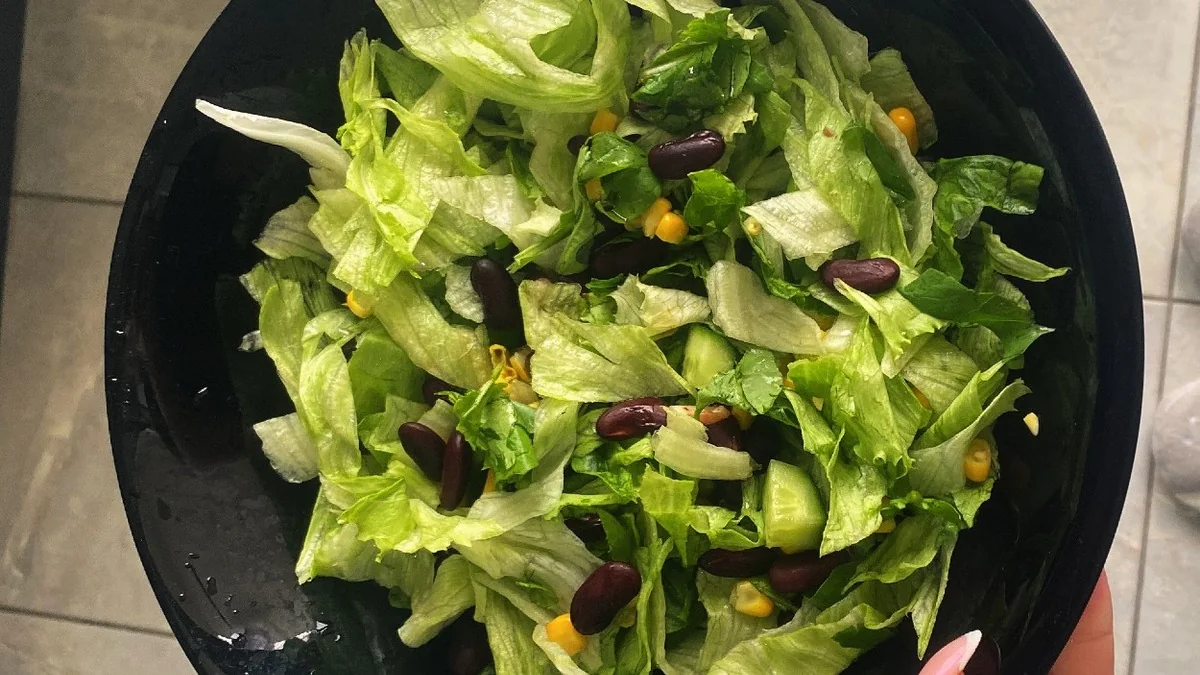
A vegan diet can support weight loss when it keeps a moderate calorie deficit and puts a protein source at every meal. Tofu, tempeh, edamame, lentils and beans make it possible to reach 1.2–1.6 g of protein per kg. Plan for vitamin B12, vitamin D, calcium, iron, iodine and omega-3.
Key takeaways
- The Academy of Nutrition and Dietetics says well-planned vegan diets are healthful and nutritionally adequate.
- Firm tofu has about 17 g of protein per 100 g, tempeh about 20 g and boiled lentils about 9 g.
- Tofu-based meals give the most protein per calorie; fried and noodle dishes the least.
- An example vegan day reaches about 1,670 kcal and 99 g of protein.
- Vegans need a reliable source of vitamin B12 from fortified foods or supplements.
Can a vegan diet work for weight loss?
Yes. Weight loss on a vegan diet works the same way as on any other: a steady calorie deficit over time. The Academy of Nutrition and Dietetics, in its position paper on vegetarian diets, states that appropriately planned vegetarian and vegan diets are healthful and nutritionally adequate for all stages of life, and notes that vegetarians and vegans have a lower risk of several conditions, including obesity. The key words are "appropriately planned".
Plant foods have real advantages for weight loss: vegetables, beans, lentils and whole grains are high in fibre and water, so they fill the plate for relatively few calories. The two common problems are the opposite ones: meals that are too low in protein, which leaves people hungry, and meals that lean on fried foods, oils, nut butters and pastries, which are vegan but calorie-dense.
How much protein do you need on a vegan diet?
The adult recommendation is 0.8 g of protein per kg of body weight a day, about 56 g for a 70 kg person. People who exercise regularly, or who want to protect muscle while losing weight, often aim higher: the International Society of Sports Nutrition suggests 1.4 to 2.0 g per kg for most exercising people, ideally spread across meals of about 20 to 40 g. Use the calculator below to estimate your own target.
0.8 g/kg is the adult RDA; 1.4–2.0 g/kg is the ISSN range for people who exercise. Kidney disease needs medical advice.
Hitting those numbers on plants is very doable, but it takes deliberate choices at each meal. Here is how common vegan protein foods compare, per 100 g, from USDA FoodData Central:
| Food (per 100 g) | kcal | Protein |
|---|---|---|
| Tempeh | 192 | 20.3 g |
| Soybeans, boiled | 172 | 18.2 g |
| Firm tofu (calcium-set) | 144 | 17.3 g |
| Edamame, cooked from frozen | 121 | 11.9 g |
| Lentils, boiled | 116 | 9.0 g |
| Black beans, boiled | 132 | 8.9 g |
| Chickpeas, boiled | 164 | 8.9 g |
| Soya drink, unsweetened (100 ml) | 54 | 3.3 g |
Soy foods give the most protein for their calories. Beans and lentils give less protein per gram but bring a lot of fibre. For a deeper comparison, see plant protein without meat and legumes compared.
Which vegan meals give the most protein per calorie?
These are vegan dishes from Sporty's catalog, sorted by protein for every 100 kcal. The numbers are Sporty's per-serving estimates; real values depend on recipe and portion.
| Dish | kcal | Protein | Protein per 100 kcal |
|---|---|---|---|
| Tofu and vegetable sauté | 420 | 32 g | 7.6 g |
| Red lentil soup | 250 | 13 g | 5.2 g |
| Lentil salad | 320 | 16 g | 5.0 g |
| Protein-packed vegan salad | 420 | 20 g | 4.8 g |
| Tofu and broccoli rice | 460 | 22 g | 4.8 g |
| Chickpea stew | 360 | 16 g | 4.4 g |
| Hummus and raw vegetables | 260 | 11 g | 4.2 g |
| Falafel plate | 420 | 15 g | 3.6 g |
| Vegetable noodles | 450 | 14 g | 3.1 g |
The pattern is clear: dishes built around tofu or a large portion of lentils lead, while dishes built around fried items or noodles give more calories for less protein. Those are still fine meals; they simply need a protein side, such as edamame or a lentil soup, to keep you full.
What does a full vegan day for weight loss look like?
An example day using USDA values for simple foods and Sporty's estimates for the dishes:
- Breakfast: 50 g of oats cooked in 250 ml of soya drink, topped with a cup of raspberries: about 390 kcal and 16 g of protein.
- Lunch: protein-packed vegan salad with chickpeas, quinoa and pumpkin seeds: 420 kcal, 20 g protein.
- Snack: a cup of edamame (155 g): about 190 kcal, 18 g protein.
- Dinner: red lentil soup followed by tofu and vegetable sauté: 670 kcal, 45 g protein.
That is about 1,670 kcal and 99 g of protein, roughly 1.4 g per kg for a 70 kg person, with plenty of fibre. Smaller eaters can drop the soup; larger or more active people can add more grains or another snack. Do not cut far below this without medical support: the usual safe floors are 1,200 kcal a day for women and 1,500 for men.
Which nutrients need extra attention?
The NHS highlights several nutrients that vegans should plan for:
- Vitamin B12: found naturally almost only in animal foods. Vegans need fortified foods (some breakfast cereals, soya drinks, nutritional yeast) or a supplement. The Academy's position paper is clear that vegans need a reliable source.
- Vitamin D: the NHS advises everyone to consider a daily supplement in autumn and winter; check it is suitable for vegans.
- Calcium: fortified soya, pea or oat drinks, calcium-set tofu, sesame and tahini, and greens such as broccoli and cabbage.
- Iron: pulses, wholemeal bread, fortified cereals, dark green vegetables and dried fruit. Vitamin C at the same meal helps absorption, and tea or coffee with meals reduces it. See iron-rich foods.
- Omega-3: walnuts, chia seeds, hemp seeds, ground linseed and rapeseed oil.
- Iodine and selenium: can be hard to get from plants alone; fortified foods or supplements may be needed.
When you lose weight you eat less food overall, which makes these gaps more likely. If you are pregnant, breastfeeding, feeding a vegan child or have a health condition, plan your diet with a doctor or registered dietitian.
Practical tips that make vegan weight loss easier
- Put a soy food or a legume at the centre of every main meal, and build the rest of the plate around it.
- Measure oils, nut butters and tahini. They are healthy fats, but a tablespoon of oil is about 120 kcal.
- Choose plant drinks that are unsweetened and fortified with calcium, vitamin D and B12.
- Treat vegan junk food as you would any other: vegan biscuits and burgers are still biscuits and burgers.
Sporty recognises plant-based dishes from photos or text and shows your protein next to your calories, so you can see quickly which meals need a protein boost.
Frequently asked questions
Is it hard to get enough protein on a vegan diet while losing weight?
It takes planning but is very doable. Building each meal around tofu, tempeh, edamame, lentils or beans can provide 1.2–1.6 g per kg a day.
What is the best vegan protein for weight loss?
Soy foods such as tofu, tempeh and edamame give the most protein for their calories. Lentils and beans add fibre, which helps fullness.
Do vegans need supplements?
Vegans need a reliable vitamin B12 source from fortified foods or a supplement. Vitamin D, iodine and sometimes other nutrients may also need fortified foods or supplements.
Are vegan meals automatically low in calories?
No. Fried foods, oils, nut butters and vegan pastries can be very calorie-dense. Portion and cooking method still matter.
Was this article helpful?
No ratings yet — be the first.
Tap a star to rate it — your rating helps us improve and helps other readers.
Sources
This article is general information, not medical advice. If you have a health condition, are pregnant or under 18, talk to a doctor or registered dietitian before changing your diet.