

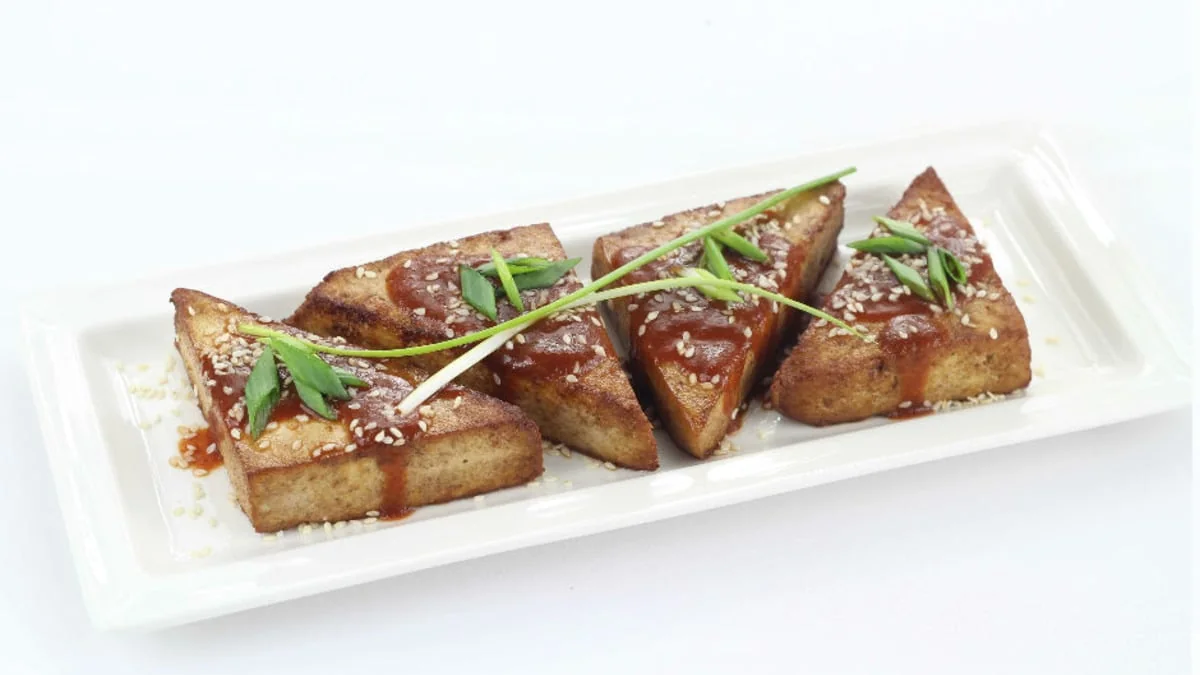
A high-protein vegetarian dinner usually has about 25–40 g of protein, built around eggs, tofu, dairy or legumes. In our per-serving estimates, a tofu and vegetable sauté gives 32 g for 420 kcal, and lentil soup with a vegetable omelette gives 35 g for 570 kcal. Pairing a lighter dish with eggs, yogurt or tofu closes most gaps.
Key takeaways
- Adults need at least 0.8 g of protein per kg a day; active people often aim for 1.4–2.0 g/kg.
- A dinner with about 25–40 g of protein covers a solid share of most daily targets.
- Tofu, eggs and dairy give the most protein per calorie among common vegetarian dishes.
- Pairing legumes or grains with eggs, yogurt or tofu turns a lighter dish into a high-protein meal.
- Cheese and nuts add protein but also a lot of fat, so use them as extras rather than the main source.
How much protein should a vegetarian dinner have?
There is no official number for a single meal, but the daily targets give a useful frame. The US National Academies set the adult Recommended Dietary Allowance (RDA) at 0.8 g of protein per kg of body weight per day, and EFSA's reference value is almost the same at 0.83 g/kg. If you exercise regularly or want to protect muscle while losing fat, the International Society of Sports Nutrition (ISSN) suggests 1.4–2.0 g/kg a day, and its position stand describes doses of roughly 20–40 g per meal as a practical way to spread that intake.
For a 70 kg (154 lb) adult, the RDA works out at 56 g a day and the ISSN range at 98–140 g. Split across three meals and a snack, a dinner of about 25–40 g covers a solid share without anything extreme. The good news for vegetarians is that eggs, dairy, tofu and legumes can all get you there. For the full picture on plant sources, see our guide to plant protein without meat. To find your own daily range:
0.8 g/kg is the adult RDA; 1.4–2.0 g/kg is the ISSN range for people who exercise. Kidney disease needs medical advice.
Which vegetarian dinners are highest in protein?
The table below uses our per-serving estimates from the meal catalog. Real values depend on recipe and portion. The last column, protein per 100 kcal, shows which dishes are protein-dense rather than simply large, which matters when you are eating in a calorie deficit.
| Dish (one serving) | Energy | Protein | Protein per 100 kcal |
|---|---|---|---|
| Tofu and vegetable sauté (vegan) | 420 kcal | 32 g | 7.6 g |
| Vegetable omelette (3 eggs) | 320 kcal | 22 g | 6.9 g |
| Vegetable frittata (3 eggs, parmesan) | 340 kcal | 22 g | 6.5 g |
| Menemen with white cheese | 460 kcal | 28 g | 6.1 g |
| Lentil salad (vegan) | 320 kcal | 16 g | 5.0 g |
| Tofu and broccoli rice (vegan) | 460 kcal | 22 g | 4.8 g |
| Chickpea stew (vegan) | 360 kcal | 16 g | 4.4 g |
| Margherita pizza | 560 kcal | 23 g | 4.1 g |
| Falafel plate (vegan) | 420 kcal | 15 g | 3.6 g |
| Mushroom risotto | 480 kcal | 12 g | 2.5 g |
None of these dishes is better or worse than another; they simply do different jobs. A risotto or a pizza can still be dinner, but on its own it brings less protein for its calories, so it helps to know what to add.
How do you turn a lighter dish into a high-protein dinner?
Many favourite vegetarian meals are built around grains, vegetables or legumes and land at 12–16 g of protein. Pairing them with an egg, dairy or tofu side is often the simplest fix. Here are some combinations, added up from the same per-serving estimates:
| Combination | Energy | Protein |
|---|---|---|
| Red lentil soup + vegetable omelette | 570 kcal | 35 g |
| Lentil salad + vegetable frittata | 660 kcal | 38 g |
| Chickpea stew + cacık (yogurt, cucumber, herbs) | 480 kcal | 23 g |
| Falafel plate + cacık | 540 kcal | 22 g |
| Tofu and vegetable sauté on its own | 420 kcal | 32 g |
The pattern is easy to repeat at home: one main protein source (eggs, tofu, tempeh, paneer, Greek-style yogurt or cottage cheese), one legume or whole grain, and plenty of vegetables. Lentils and chickpeas add protein and fibre at the same time; our comparison of lentils, chickpeas and beans shows how they differ.
What are five easy high-protein vegetarian dinners?
1. Tofu and vegetable stir-fry
Firm tofu, broccoli, peppers and mushrooms with soy sauce and garlic. A 150 g portion of tofu is what takes the tofu and vegetable sauté to about 32 g of protein at 420 kcal. Serve it with a small portion of rice if you need more energy that day.
2. Frittata with a big salad
Three eggs, courgette, tomato and a little parmesan baked in one pan. Our vegetable frittata is about 340 kcal and 22 g of protein. Adding a lentil salad on the side brings the meal to about 38 g.
3. Spiced chickpea stew with yogurt
Chickpeas simmered in tomato and pepper sauce, as in our chickpea stew (360 kcal, 16 g protein), plus a bowl of cacık or plain yogurt. Dairy lifts the protein and cools the spice.
4. Lentil soup and an omelette
A classic, cheap pairing: a bowl of red lentil soup with a vegetable omelette gives about 35 g of protein for 570 kcal. It works well for batch cooking because the soup keeps for several days.
5. Shakshuka or menemen with cheese
Eggs cooked in tomato and peppers, finished with crumbled white cheese, are about 460 kcal and 28 g of protein in our estimate. Bread on the side adds energy, so decide the portion first. For a lighter evening version, keep it to one slice and add a shepherd's salad.
All five ideas share the same simple shape: a protein source you can see on the plate, a filling legume or grain, and vegetables for volume. Rotating just two of them through the week gives your dinners a reliable protein base and takes away some of the daily decision-making.
What are common pitfalls with vegetarian protein?
- Relying on cheese alone. Cheese brings protein, but also a lot of fat and salt, so it fills up the calorie budget quickly. Use it as a topping alongside other sources.
- Counting nuts as the main protein. Nuts are nutritious but mostly fat; their protein per 100 kcal is low compared with tofu, eggs or yogurt.
- Underestimating oil. Stir-fries and roasted vegetables can absorb a lot of oil. Measuring a tablespoon instead of pouring keeps the numbers honest.
- Forgetting variety. Mixing legumes, grains, soy, eggs and dairy over the day gives a fuller range of amino acids, so there is no need to combine them perfectly in every meal.
If you log your dinners, a photo of the plate or a short description such as "chickpea stew with a bowl of yogurt" is usually enough for Sporty to estimate calories and protein, and you can adjust portions before saving.
Do vegetarians need protein powder?
No. Most people can reach their target with ordinary food, especially if eggs and dairy are part of the diet. A shake can be convenient on busy days, but it is a tool, not a requirement. What matters more is a dinner you enjoy enough to repeat, with a clear protein source on the plate. For broader daily targets, read how much protein you need per day.
If you have kidney disease, are pregnant or breastfeeding, are under 18 or have a history of disordered eating, talk to a doctor or registered dietitian before changing your protein intake. The same applies to vegans who want to plan vitamin B12 and other nutrients carefully.
Frequently asked questions
How much protein should a vegetarian dinner have?
There is no fixed rule, but about 25–40 g is a practical range for many adults. The ISSN describes roughly 20–40 g per meal as a useful way to spread a daily target of 1.4–2.0 g/kg for active people.
What is the highest-protein vegetarian dinner?
Among common dishes, tofu and egg-based meals give the most protein per calorie. In our estimates a tofu and vegetable sauté has 32 g of protein for 420 kcal.
Can vegans get enough protein at dinner?
Yes. Tofu, tempeh, lentils, chickpeas and beans can reach 20–30 g in one meal, especially when two sources are combined, such as tofu with a lentil side.
Is cheese a good protein source for vegetarians?
Cheese adds useful protein, but it is also high in fat and often salt, so it fills the calorie budget fast. It works best as a topping alongside eggs, yogurt, tofu or legumes.
Was this article helpful?
No ratings yet — be the first.
Tap a star to rate it — your rating helps us improve and helps other readers.
Sources
This article is general information, not medical advice. If you have a health condition, are pregnant or under 18, talk to a doctor or registered dietitian before changing your diet.