

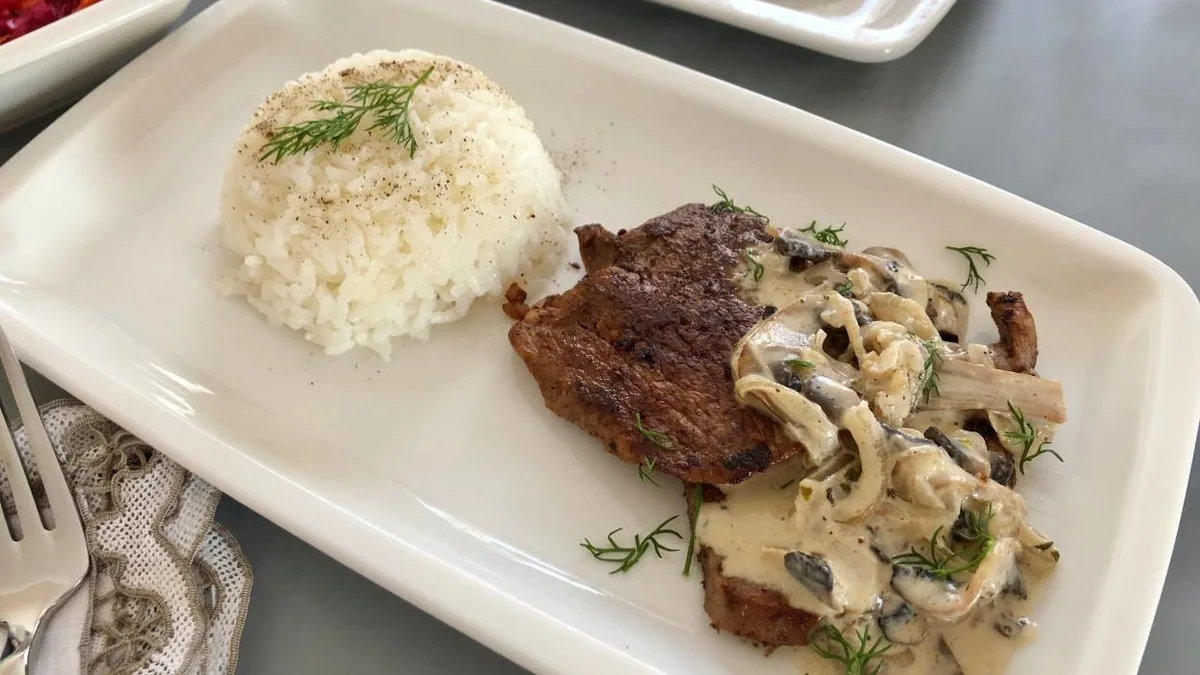
Adults need about 8.7 mg of iron a day, and women aged 19 to 49 need 14.8 mg, according to the NHS. Red meat, lentils, chickpeas, beans, leafy greens, nuts, dried fruit and fortified cereals are good sources. Eat vitamin C foods with plant iron and keep tea and coffee away from main meals.
Key takeaways
- The NHS sets iron needs at 8.7 mg a day for men and women 50+, and 14.8 mg for women aged 19 to 49.
- Red meat, pulses, dark leafy greens, nuts, dried fruit and fortified cereals are good sources of iron.
- Iron from plant foods is absorbed less well than iron from meat; vitamin C at the same meal helps.
- Tea and coffee during or right after main meals can reduce absorption, so drink them between meals.
- Do not take iron supplements without advice; see a doctor if you feel unusually tired or breathless.
Why does iron matter?
Iron is a mineral your body needs to make red blood cells, which carry oxygen around the body. When you do not get enough over time, iron stores run down and iron deficiency anaemia can develop. The NHS lists tiredness and lack of energy, shortness of breath, noticeable heartbeats, paler skin and headaches as common symptoms.
It is not a rare problem. The World Health Organization estimates that in 2019 anaemia affected 30% of non-pregnant women and 37% of pregnant women aged 15–49 worldwide, and it names iron deficiency, mainly from too little iron in the diet, as the most common nutritional cause. Heavy periods and pregnancy are among the main causes the NHS describes.
If you are cutting calories, iron deserves a closer look. Your iron needs stay the same when you eat less, so a smaller plate has to work harder. We cover the wider picture in our guide to vitamins and minerals in a calorie deficit.
How much iron do you need per day?
The NHS gives these daily amounts for adults. Other countries set slightly different reference values, so follow your local guidance if it differs.
| Group | Iron per day |
|---|---|
| Men aged 19 and over | 8.7 mg |
| Women aged 19 to 49 | 14.8 mg |
| Women aged 50 and over | 8.7 mg |
Women who still have periods after 50 may need the higher amount. Needs during pregnancy are different too, so that is a conversation for your doctor or midwife rather than a number to guess. The NHS says most people should be able to get the iron they need from their diet.
Which foods are rich in iron?
The NHS lists these as good sources of iron:
- Red meat, such as beef and lamb.
- Liver, though it should be avoided during pregnancy.
- Beans and pulses, such as red kidney beans, edamame and chickpeas; lentils belong in the same family.
- Nuts and dried fruit, such as dried apricots.
- Fortified breakfast cereals and soy bean flour.
- Dark green leafy vegetables, such as watercress and curly kale.
Turkish home cooking is already full of these foods. Lentil soup, chickpea stew and white bean stew are everyday dishes, and many of them combine pulses with a little beef. Our guide comparing lentils, chickpeas and beans shows how they differ on calories and protein.
Iron-rich meals and their calories
The dishes below are built around the iron sources in the NHS list. Figures are Sporty's per-serving estimates; real values depend on recipe and portion. We have not listed iron in milligrams, because the amount in a home-cooked dish varies a lot with the ingredients and portion.
| Dish | kcal | Protein | Main iron source |
|---|---|---|---|
| Red lentil soup | 250 | 13 g | Lentils |
| Spinach omelette | 300 | 21 g | Leafy greens, eggs |
| Lentil salad | 320 | 16 g | Green lentils |
| White bean stew with beef | 450 | 28 g | Beans and beef |
| Chickpea stew with beef | 470 | 30 g | Chickpeas and beef |
| Chili con carne | 480 | 34 g | Kidney beans and beef |
| Steak with mushroom sauce | 560 | 46 g | Red meat |
The pulse dishes are the most calorie-friendly: a bowl of lentil soup is about 250 kcal, and the stews with beef bring both plant and meat iron for under 500 kcal. A steak with a creamy sauce is the richest option here, so it fits better as an occasional choice. The NHS also advises limiting red and processed meat, which is another reason to lean on pulses most days.
How can you absorb more iron from food?
How much iron your body takes in depends on more than the number on a label. The NHS notes that iron from plant foods is absorbed less well than iron from meat. A few simple habits help you get more out of every meal.
1. Add vitamin C at the same meal
The NHS advises eating foods containing vitamin C at the same time as plant sources of iron, and WHO also says vitamin C-rich foods help the body absorb iron. In practice that means a squeeze of lemon over lentil soup, tomatoes and peppers in a bean salad, or fresh fruit after a chickpea dish. A side of shepherd's salad (about 160 kcal) with tomato, pepper and lemon is an easy match for any pulse dish.
2. Move tea and coffee away from meals
The NHS lists tea, coffee, milk and dairy, and foods high in phytic acid such as wholegrain cereals as things that, in large amounts, make it harder to absorb iron. Its vegan diet advice suggests avoiding tea or coffee during or after main meals. If a glass of tea after dinner is a habit, try having it between meals instead. You do not need to give up tea, dairy or wholegrains, which bring their own benefits; just avoid pairing large amounts of them with your most iron-rich meals.
3. Combine plant and meat sources
Classic dishes like etli kuru fasulye or etli nohut put a small amount of beef together with a large portion of beans or chickpeas. If you eat meat, this is a practical way to get iron from both kinds of food while keeping portions of red meat moderate.
4. Build a plant-based plate with care
If you eat little or no meat, rely on pulses, fortified cereals, wholemeal bread, dark leafy greens, nuts and dried fruit, and pair them with vitamin C foods. Our guide to plant protein without meat covers how to plan these meals for protein as well.
A sample iron-friendly day
- Breakfast: spinach omelette (300 kcal) with tomato slices.
- Lunch: lentil salad (320 kcal) with lemon and parsley, plus an orange.
- Dinner: chickpea stew with beef (470 kcal) and shepherd's salad (160 kcal).
- Tea: mid-afternoon rather than straight after lunch or dinner.
Those main meals add up to about 1,250 kcal before snacks and drinks, which leaves room to fit a moderate calorie target. If you log meals in Sporty, the app shows your calories and macros for the day so you can see where an iron-rich lunch or dinner fits.
Should you take an iron supplement?
Do not start iron tablets just in case. The NHS says doses over 20 mg can cause side effects such as constipation, feeling sick and stomach pain, and that 17 mg or less a day from supplements is unlikely to cause harm unless a doctor advises more. Very high doses can be fatal, especially for children, so keep supplements out of their reach.
If you feel unusually tired, breathless or notice other symptoms, see a doctor. A blood test can show whether your iron is low and why. Talk to a doctor or registered dietitian before changing your diet or taking supplements if you are pregnant, under 18, have heavy periods, kidney disease or another medical condition.
Frequently asked questions
Which food has the most iron?
Liver and red meat are among the richest sources, but liver should be avoided in pregnancy. Lentils, chickpeas, beans, dark leafy greens, nuts, dried fruit and fortified cereals are also good sources.
Does tea stop iron absorption?
Large amounts of tea and coffee make it harder to absorb iron. The NHS suggests avoiding them during or after main meals, so have your tea between meals instead.
How can vegetarians get enough iron?
Eat pulses, fortified cereals, wholemeal bread, dark leafy greens, nuts and dried fruit regularly, and pair them with vitamin C foods such as tomatoes, peppers, lemon or fruit at the same meal.
Should I take iron tablets if I feel tired?
Not without checking first. Tiredness has many causes, so see a doctor, who can test your iron levels and advise whether you need a supplement and at what dose.
Sources
This article is general information, not medical advice. If you have a health condition, are pregnant or under 18, talk to a doctor or registered dietitian before changing your diet.