

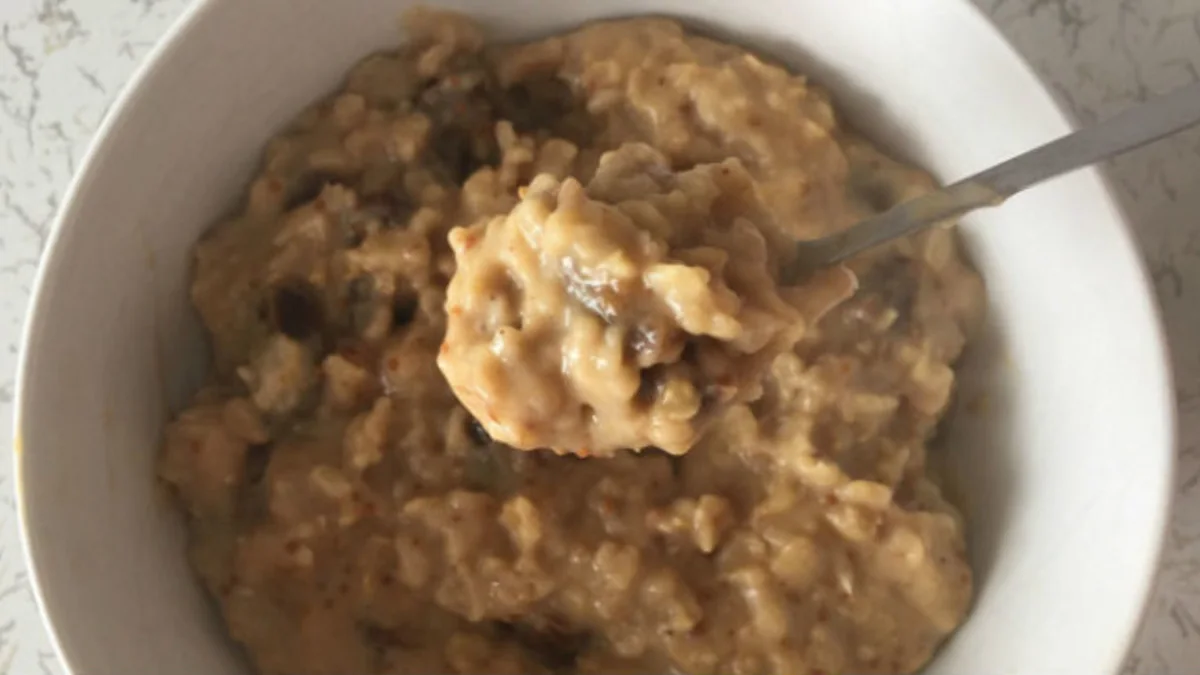
Overnight oats are rolled oats soaked in milk or yogurt in the fridge, ready to eat in the morning. A jar with 50 g of oats, 150 g of strained yogurt, fruit and a few walnuts comes to about 390 kcal and 22 g of protein. Chia pudding, a vegetable frittata and protein pancakes also keep well for busy mornings.
Key takeaways
- Overnight oats need no cooking: oats, milk or yogurt, fruit and a night in the fridge.
- Yogurt or milk as the base, not water or juice, is what gives the jar its protein.
- Our oats, yogurt and fruit estimate is about 390 kcal with 22 g of protein per serving.
- Chia pudding, a vegetable frittata and protein pancakes are other breakfasts that keep well.
- Prepare two to three mornings at a time and keep everything in the fridge.
What are overnight oats?
Overnight oats are rolled oats mixed with milk, yogurt or both, left in the fridge overnight. The oats soften as they soak, so in the morning you have a thick, creamy breakfast that you can eat cold straight from the jar or warm up for a minute. There is no cooking, almost no washing up, and you can make several jars at once.
They are also a practical way to get fibre at breakfast. The NHS recommends 30 g of fibre a day for adults, while the average adult eats about 20 g, and it names porridge oats as an easy breakfast source. Add fruit and you are on the way to the WHO's suggestion of at least 400 g of fruit and vegetables a day.
How do you make a basic jar?
A simple ratio works for most people: one part oats to roughly one to one and a half parts liquid, by volume. A good starting jar:
- 50 g of rolled oats, about half a cup.
- 150 g of strained yogurt plus a splash of milk, or about 150 ml of milk on its own.
- Fruit: half a banana, a handful of blueberries or grated apple. Frozen berries work well and thaw overnight.
- A small extra: a few walnuts, a teaspoon of chia seeds, cinnamon or vanilla.
Stir, close the jar and leave it in the fridge for at least a few hours. In the morning, add a little more milk if it is too thick.
This is close to the oats, yogurt and fruit dish in our meal catalog: 50 g of rolled oats, 150 g of strained yogurt, banana, blueberries and walnuts. Our per-serving estimate is about 390 kcal, 22 g of protein, 58 g of carbohydrates and 9 g of fat. Real values depend on the yogurt you use, the fruit and how generous the walnuts are.
How do you get more protein into overnight oats?
Oats on their own are mostly carbohydrate. The protein in the jar comes from what you soak them in. A review by Leidy and colleagues in 2015 suggested that meals with roughly 25–30 g of protein can help with appetite and weight management, so the base matters:
- Strained (Greek-style) yogurt carries much more protein than water, juice or most plant drinks.
- Milk or a soy drink adds protein too; almond, rice and coconut drinks add very little.
- A spoon of protein powder stirred into the milk can lift the jar towards 30 g.
- Cottage cheese on the side or mixed in works if you like a savoury-sweet contrast.
Water-based oats with fruit and honey are lighter, but many people find them less filling. If that is you, the yogurt base is usually the easiest fix.
Which flavour combinations work well?
- Apple and cinnamon: grated apple, cinnamon and a few walnuts.
- Cocoa and banana: a teaspoon of cocoa powder with sliced banana.
- Berry: frozen berries stirred in the night before, with vanilla.
Changing the fruit and spices keeps the calories roughly the same while making the week feel varied.
Which other breakfasts can you make ahead?
Overnight oats are not the only option. These breakfasts from our catalog all hold up well in the fridge. The numbers are our per-serving estimates and depend on recipe and portion:
| Breakfast | How to prepare ahead | kcal | Protein |
|---|---|---|---|
| Oats, yogurt and fruit | Mix in jars the night before | 390 | 22 g |
| Chia pudding | 30 g chia in 200 ml milk, set overnight | 300 | 9 g |
| Vegetable frittata | Bake once, slice, eat cold or reheated | 340 | 22 g |
| Protein pancakes | Cook a batch, reheat in a pan or toaster | 380 | 30 g |
| Cottage cheese and walnut fruit bowl | Portion into tubs, add fruit in the morning | 280 | 26 g |
| Homemade granola with yogurt | Bake granola weekly, add yogurt daily | 420 | 14 g |
A few notes on each:
- Chia pudding sets into a spoonable pudding overnight. It is lower in protein, with 9 g, and gets about half of its energy from the fat in chia seeds, so pair it with yogurt if you want it to last until lunch.
- Vegetable frittata is the savoury answer: three eggs, 120 g of zucchini and tomato and 20 g of parmesan per serving. Bake a large one on Sunday and cut it into portions.
- Protein pancakes, made with ground oats, eggs, Greek yogurt and a little protein powder, give the most protein here at 30 g.
- Homemade granola keeps for days in a jar, but it is the most energy-dense option because of nuts, oil and honey. Measure it rather than pouring.
How do you fit make-ahead breakfasts into a weekly routine?
The simplest approach is to prepare two or three mornings at a time rather than a whole week. Oats get softer the longer they soak, and fruit keeps its texture better when added fresh. A typical rhythm:
- Sunday: bake a frittata and a tray of granola, and mix two jars of overnight oats.
- Tuesday evening: mix two more jars or a chia pudding.
- Thursday evening: cook a batch of protein pancakes for the end of the week.
Rotating between sweet and savoury keeps it interesting. For a full weekly plan that includes lunches and dinners, see our guide to meal prep for the week.
Keep everything in the fridge in closed containers and use dairy-based breakfasts within the shelf life of the milk or yogurt you used. When in doubt, throw it out.
How do you keep the calories where you want them?
Make-ahead breakfasts are easy to log because you know exactly what went into the jar. The calories usually climb through toppings rather than the base. Fat provides 9 kcal per gram, compared with 4 kcal for protein and carbohydrate, so nuts, nut butter and seeds move the total quickly. Honey and syrup add free sugars, which the WHO recommends keeping below 10 % of daily energy.
Since you will eat the same jar several times, log it once and repeat it. In Sporty, you can take a photo of the jar or describe it by text, and the entry is ready for the next mornings. For more breakfasts with a protein focus, see our high-protein breakfast ideas, and for more ways to reach your daily target, our guide to fibre.
If you are pregnant, under 18, have diabetes or follow a medical diet, talk to a doctor or registered dietitian about the right breakfast size for you.
Frequently asked questions
Can you eat overnight oats cold?
Yes. Overnight oats are usually eaten cold straight from the fridge, but you can warm them for a minute if you prefer.
How long do overnight oats keep in the fridge?
Many people prepare two to three days at a time. Keep them closed in the fridge and stay within the shelf life of the milk or yogurt you used.
Are overnight oats good for weight loss?
They can fit well because they are easy to portion and contain fibre. Use yogurt or milk for protein and measure toppings such as nuts, honey and granola.
Can I make overnight oats with water?
You can, but the jar will have much less protein and may feel less filling. Strained yogurt, milk or a soy drink makes a more balanced breakfast.
Was this article helpful?
No ratings yet — be the first.
Tap a star to rate it — your rating helps us improve and helps other readers.
Sources
This article is general information, not medical advice. If you have a health condition, are pregnant or under 18, talk to a doctor or registered dietitian before changing your diet.