
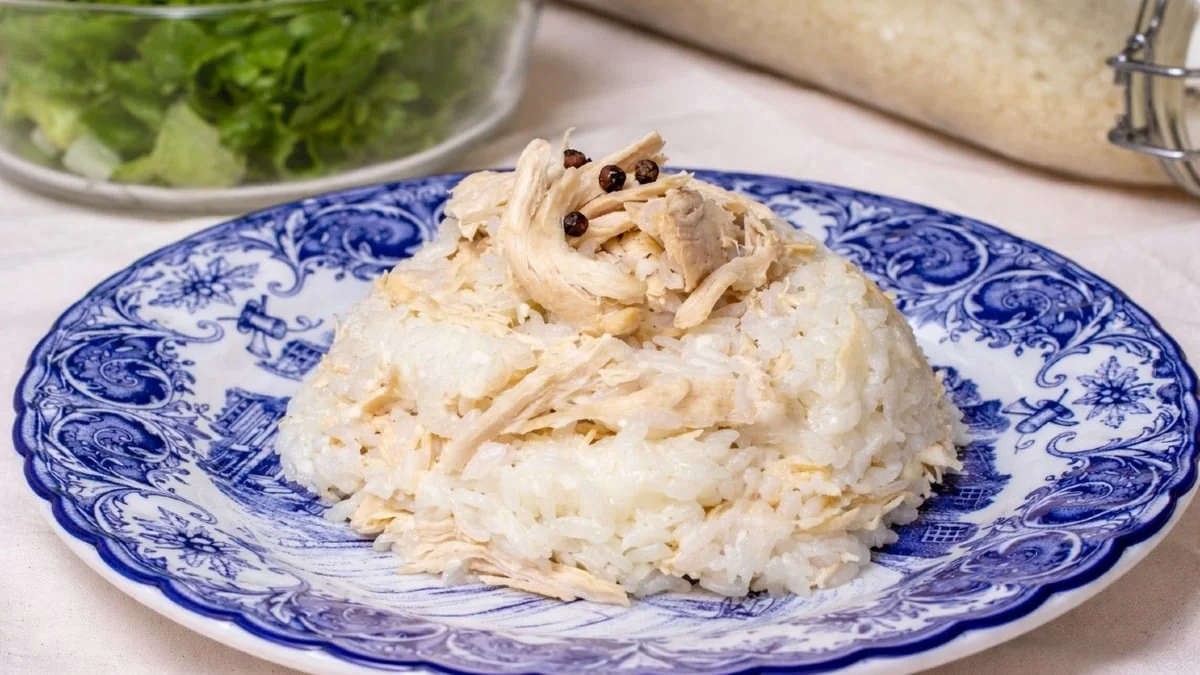
Cook once at the weekend: two proteins, two carbohydrates, a tray of vegetables and one sauce, divided into equal containers. Refrigerate them within two hours, eat chilled portions within two to four days depending on which guidance you follow, and freeze anything meant for later in the week. Then mix and match the blocks into meals.
Key takeaways
- Cook building blocks (two proteins, two carbs, vegetables, one sauce) instead of five separate recipes.
- CDC advice: refrigerate cooked food within 2 hours and eat leftovers within 3–4 days; NHS advice is stricter.
- Fridge two to three days of portions and freeze the rest; eat rice dishes early or freeze them.
- A sample week of prepped lunches averages about 504 kcal and 39 g of protein.
- Equal containers make every portion the same, so logging takes seconds.
Why prep meals for the week?
Meal prep means cooking once or twice a week and portioning the food into containers for the days ahead. It is not about eating the same chicken and broccoli for seven days. The real benefit is that you make your food decisions once, when you are calm and not hungry, instead of every day at 1 pm or 8 pm. Portions also stay the same from day to day, which makes calorie and protein tracking far easier, and you are less likely to fall back on takeaway simply because nothing is ready.
This plan uses one main cooking session on the weekend and a short top-up midweek. It works for lunches, dinners or both.
How long do prepped meals keep in the fridge?
Food safety sets the shape of the whole plan, so start here. The US Centers for Disease Control and Prevention (CDC) advises putting cooked leftovers in the fridge within 2 hours, or within 1 hour if the food has been somewhere hotter than 32 °C (90 °F), keeping the fridge at 4 °C (40 °F) or below, and eating leftovers within 3 to 4 days. It recommends reheating leftovers to 74 °C (165 °F).
The NHS is stricter in its guidance on children's food: cool food within 1 to 2 hours, eat food from the fridge within 2 days, eat cooked rice within 24 hours and never reheat it more than once. Splitting food into smaller portions or shallow containers helps it cool faster. Because guidance differs, a cautious rule works well for everyone: fridge what you will eat in the next two or three days, and freeze the rest.
| Day | Where the portion lives | What to do |
|---|---|---|
| Sunday | Cook, cool, portion | Fridge within 2 hours |
| Monday–Tuesday | Fridge | Reheat until steaming hot |
| Wednesday | Fridge or freezer | Depends on how cautious you want to be |
| Thursday–Friday | Freezer | Move to the fridge the night before |
Rice-based dishes are best eaten in the first day or two, or frozen right away. Stews, curries and chili freeze especially well.
What is the simple plan?
Instead of cooking five different recipes, cook building blocks you can combine. In one session, make:
- Two proteins: for example a tray of baked chicken and a pot of chili con carne or a lentil or bean stew.
- Two carbohydrates: rice and quinoa, bulgur, potatoes or pasta.
- One or two trays of vegetables: roasted peppers, courgette, broccoli and carrots, plus raw salad vegetables you chop on the day.
- One sauce: a yogurt-herb sauce, a tomato sauce or a simple lemon and olive oil dressing, kept separate until you eat.
Cook the blocks in parallel: grains on the hob, chicken and vegetables in the oven, stew simmering at the back. Then fill the containers in a line, protein first, so every box gets a fair share.
What does a prepped week look like?
Here is a sample week of lunches built from these blocks, using dishes from the Sporty catalog. The numbers are per-serving estimates; real values depend on recipe and portion.
| Day | Lunch | kcal | Protein | Stored in |
|---|---|---|---|---|
| Monday | Chicken and rice | 520 | 34 g | Fridge |
| Tuesday | Chicken quinoa power bowl | 520 | 50 g | Fridge |
| Wednesday | Chili con carne | 480 | 34 g | Fridge |
| Thursday | Chili con carne | 480 | 34 g | Freezer |
| Friday | Chicken curry with bulgur | 520 | 44 g | Freezer |
| Average | 504 | 39 g |
Every lunch lands between 480 and 520 kcal with at least 34 g of protein, and the week uses only two batch cooks plus the chicken tray. The chicken quinoa power bowl reuses the same chicken as Monday's rice dish with a different grain and dressing. For more ideas in this range, see our high-protein lunches under 600 calories.
How do you portion and log batch-cooked food?
The easiest method is to divide the whole pot into equal containers. If a pot of chili makes four portions, each box is a quarter of the recipe, and you only need to work out the numbers once. A kitchen scale helps but is not essential: use the same container size every time, and our guide to portion sizes without a scale covers hand and cup estimates.
Because every portion is the same, logging becomes a repeat job. In Sporty you can photograph the box or describe it in a sentence; since the meal looks the same each day, your entries stay consistent. Our guide to logging home-cooked meals explains how to describe homemade dishes clearly.
Which foods prep well, and which do not?
Some dishes improve after a day in the fridge; others are better made fresh.
- Prep well: chili, curries, stews, soups, cooked grains, baked chicken, roasted vegetables, hard-boiled eggs and overnight oats.
- Prep with care: rice (cool quickly, eat within a day or freeze) and fish (eat early in the week).
- Best made on the day: dressed leafy salads, crispy fried foods and anything with raw fish, such as a poke bowl or sushi.
A useful trick is to prep the slow parts and finish the fast parts fresh: keep chopped salad vegetables and dressing apart, and combine them just before eating.
How do you get enough vegetables into prepped meals?
The World Health Organization recommends at least 400 g of fruit and vegetables a day for everyone over 10 years old. Prepped meals often fall short here because the protein and grain take up the box. Fix it at the planning stage: roast one large tray of mixed vegetables, add a handful to every container, and keep fruit for snacks. A side of roasted vegetables from the catalog adds about 240 kcal, much of it from the olive oil, so use less oil if you want a lighter version.
A simple shopping list
- Chicken breast or thighs, lean minced beef, and a can or two of kidney beans or chickpeas.
- Rice, quinoa or bulgur, and a bag of oats for breakfasts.
- Peppers, onions, carrots, broccoli, courgettes, canned tomatoes and salad vegetables.
- Natural yogurt, lemons, garlic, olive oil and the spices you like.
- A set of same-size containers with lids that can go in the freezer.
Does meal prep help with weight loss?
It can make a calorie target easier to keep, because your main meals are already portioned and known. It does not need to mean small or joyless meals: the sample lunches above are filling, protein-rich and around 500 kcal. Keep your total intake at a level you can sustain, and do not go below 1,200 kcal a day for women or 1,500 kcal for men without medical supervision. If you are pregnant, under 18, have a medical condition or a history of disordered eating, plan your meals with a doctor or registered dietitian.
Frequently asked questions
How many days can I meal prep in advance?
The CDC says to eat leftovers within 3–4 days, while NHS guidance says 2 days. Refrigerating two or three days of meals and freezing the rest keeps you on the safe side.
Can I meal prep rice?
Yes, but cool it quickly and eat it within about a day, or freeze it. NHS guidance also says not to reheat cooked rice more than once.
How do I count calories in meal prep?
Divide the whole recipe into equal containers so each one is the same fraction of the pot. Work out the numbers once and log the same portion each day.
Is meal prep good for weight loss?
It can help because portions and calories are known in advance. It works best with filling, protein-rich meals at a calorie level you can sustain.
Sources
This article is general information, not medical advice. If you have a health condition, are pregnant or under 18, talk to a doctor or registered dietitian before changing your diet.