

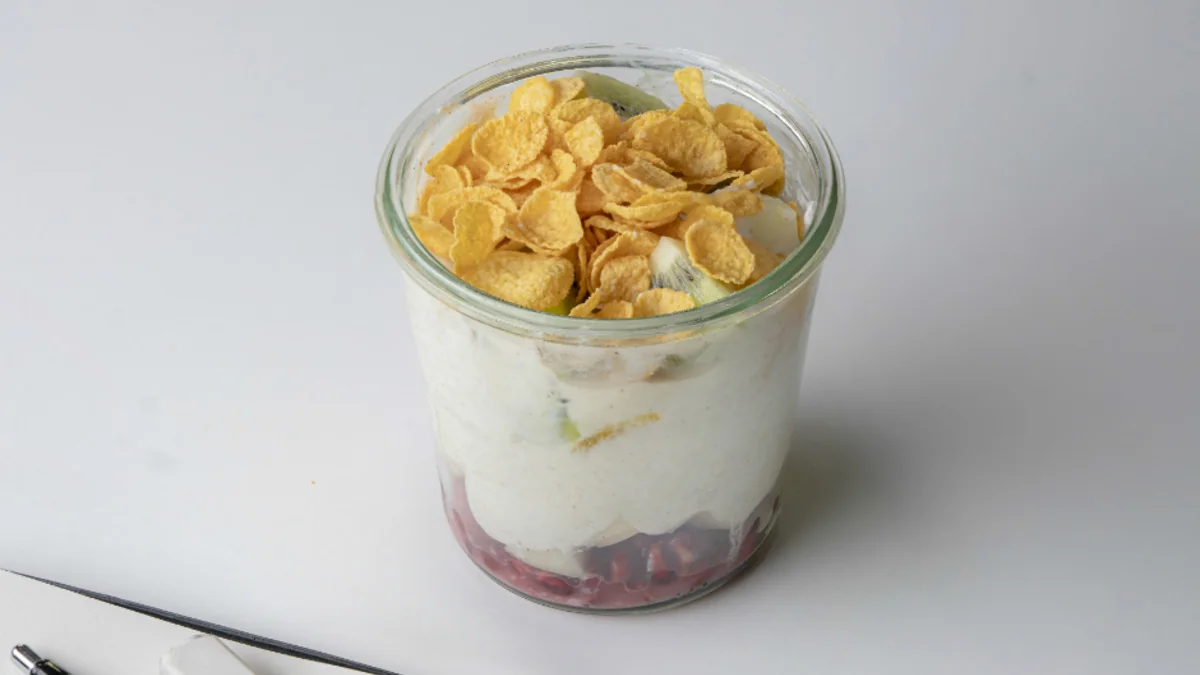
Good high-protein snacks give at least 10 g of protein for around 250 kcal or less. For a sweet craving try Greek yogurt with berries (124 kcal, 17 g protein), for salty or crunchy try edamame (188 kcal, 18 g), and for something savoury try two boiled eggs (155 kcal, 13 g) or ceviche.
Key takeaways
- A practical high-protein snack gives at least 10 g of protein, ideally for 250 kcal or less.
- Greek yogurt, cottage cheese, ceviche and edamame give the most protein per 100 kcal.
- Nuts and seeds are lower in protein per calorie but still bring fibre, healthy fats and minerals.
- Plan snacks into your daily calorie total and check sugar and portion size on packaged protein snacks.
What counts as a high-protein snack?
There is no official definition, but a practical one works well: a snack that gives you at least 10 g of protein, ideally for 250 kcal or less. Another useful lens is protein per 100 kcal. It tells you how much protein you get for the same amount of energy, which matters most when you are eating in a calorie deficit and want to stay full until the next meal.
Snacks are not meant to replace protein-rich meals. The ISSN position stand on protein and exercise suggests about 20–40 g of protein per meal, spread every 3–4 hours. A snack with 10–25 g fits neatly between those meals and makes a daily target easier to reach without one huge plate at dinner. For adults, the protein RDA is 0.8 g per kilogram of body weight, and the ISSN suggests 1.4–2.0 g/kg for people who exercise regularly. Our guide to how much protein you need per day explains how to pick a number for yourself.
Cravings are rarely about protein, though. Most of the time you want something sweet, salty, crunchy or creamy. So the ideas below are grouped by craving, not by food group, with numbers for every option.
Which high-protein snacks satisfy a sweet craving?
Dairy and fruit are the easiest sweet pairing. Strained or Greek yogurt and cottage cheese bring the protein, and berries bring sweetness, colour and fibre.
- Nonfat Greek yogurt with strawberries (170 g + 100 g): about 124 kcal and 17 g protein, calculated from USDA FoodData Central.
- Low-fat cottage cheese with strawberries (150 g + 100 g): about 154 kcal and 16 g protein.
- Cottage cheese and walnut fruit bowl: about 280 kcal and 26 g protein in our per-serving estimates. The full breakdown shows how the walnuts add most of the fat.
- Yogurt and fruit with a teaspoon of honey: about 230 kcal and 16 g protein in our per-serving estimates.
- Chocolate protein shake made with low-fat milk, whey, half a banana and cocoa: about 300 kcal and 30 g protein in our per-serving estimates. It is closer to a small meal than a snack.
Plain yogurt with your own fruit usually carries less added sugar than a flavoured pot. Cinnamon, vanilla or a few frozen berries add sweetness without much extra energy.
What if you want something salty or crunchy?
Salty cravings are often the hardest to meet with protein, because many crunchy snacks are mostly starch and fat. A few options work well:
- Edamame, shelled (1 cup, 155 g): about 188 kcal and 18 g protein. Sprinkle with a pinch of salt and chilli flakes.
- Roasted pumpkin seeds (28 g): about 161 kcal and 8 g protein.
- Almonds (28 g, about 23 nuts): about 162 kcal and 6 g protein.
- Hummus and raw vegetables: about 260 kcal and 11 g protein in our per-serving estimates. See the hummus and raw vegetables page for a lighter half portion.
Nuts and seeds are nutritious, but fat has 9 kcal per gram, so a handful lands around 160 kcal before you notice. Portioning them into a small bowl instead of eating from the bag keeps the numbers close to the list.
Which savoury snacks feel more like a mini meal?
Sometimes the craving is simply "real food". These options feel substantial and still sit well under a typical meal:
- Two hard-boiled eggs (100 g): about 155 kcal and 13 g protein.
- Ceviche, white fish cured in lime juice with onion, chilli and cucumber: about 220 kcal and 26 g protein in our per-serving estimates.
- Cacık, yogurt with cucumber, garlic and mint: about 120 kcal and 7 g protein in our per-serving estimates. Add a boiled egg for a bigger snack.
- Onigiri with tuna, a Japanese rice ball: about 280 kcal and 10 g protein in our per-serving estimates, a good pick before training.
How do these snacks compare on protein per calorie?
The table brings everything together. USDA-based values are rounded; catalog dishes are our per-serving estimates, and real values depend on recipe, brand and portion.
| Snack | kcal | Protein | Protein per 100 kcal |
|---|---|---|---|
| Greek yogurt + strawberries | 124 | 17 g | 13.7 g |
| Ceviche | 220 | 26 g | 11.8 g |
| Cottage cheese + strawberries | 154 | 16 g | 10.4 g |
| Protein shake | 300 | 30 g | 10.0 g |
| Edamame | 188 | 18 g | 9.6 g |
| Cottage cheese and walnut fruit bowl | 280 | 26 g | 9.3 g |
| Two hard-boiled eggs | 155 | 13 g | 8.4 g |
| Low-fat kefir (250 g) | 108 | 9 g | 8.3 g |
| Yogurt and fruit | 230 | 16 g | 7.0 g |
| Cacık | 120 | 7 g | 5.8 g |
| Roasted pumpkin seeds | 161 | 8 g | 5.0 g |
| Hummus and raw vegetables | 260 | 11 g | 4.2 g |
| Almonds | 162 | 6 g | 3.7 g |
Dairy and fish lead the list, with soy close behind. Nuts and seeds sit lower on protein per calorie, but they bring fibre, healthy fats and minerals, so they still earn a place. None of these is a "good" or "bad" choice; the table simply shows which ones help most when protein is your goal.
How do snacks fit a daily protein target?
Take a 70 kg person who exercises and aims for 1.6 g/kg, or about 112 g of protein a day. If breakfast, lunch and dinner each give around 30 g, that is 90 g, leaving roughly 22 g. One cottage cheese and fruit bowl, or Greek yogurt in the afternoon plus two eggs after training, closes the gap.
Calories still count. Two snacks of about 150–250 kcal each add 300–500 kcal to the day, so plan them into your total rather than on top of it. If you often reach dinner very hungry, a protein-based snack in the afternoon is worth trying; our article on feeling fuller on fewer calories has more ideas. For lighter options that are not protein-focused, see healthy snacks under 200 calories.
What should you check on packaged protein snacks?
Protein bars, puddings and crisps are convenient, but the word "protein" on the front says little about the rest. Turn the pack over and check three things:
- Protein per portion: aim for at least 10 g, and compare it with the calories.
- Sugars: WHO advises keeping free sugars below 10% of daily energy, about 50 g on a 2,000 kcal diet. Some bars use a large share of that.
- Portion size: a pack can hold two servings, which doubles every number.
Our guide on how to read a nutrition label walks through each line. A homemade protein bar with oats, nut butter and dates is about 220 kcal and 10 g protein in our per-serving estimates, a reminder that "bar" does not automatically mean high protein.
Is there anyone who should be careful?
For most healthy adults, a protein-rich snack is an ordinary part of the day. If you have kidney disease, are pregnant, are under 18 or have a history of disordered eating, ask a doctor or registered dietitian how much protein and how many snacks suit you. If you are cutting calories, stay above about 1,200 kcal a day for women or 1,500 kcal for men unless you are under medical supervision.
Quick tips for protein snacking
- Keep two or three options ready: a tub of Greek yogurt, boiled eggs in the fridge, a bag of frozen edamame.
- Match the snack to the craving instead of fighting it.
- Pair protein with fruit or vegetables for volume and fibre.
- Log snacks as soon as you eat them; in Sporty a photo or a barcode scan adds them to your day and shows the calories left.
Frequently asked questions
What is the best high-protein snack for weight loss?
Snacks with a lot of protein for few calories, such as Greek yogurt with berries, cottage cheese with fruit, edamame or boiled eggs, tend to help you stay full. The best one is the option you enjoy and that fits your calorie target.
How much protein should a snack have?
Around 10–25 g is a useful range for most adults. It bridges the gap between meals, which ideally carry about 20–40 g each.
Are protein bars a good snack?
Some are, but many carry a lot of sugar and calories for modest protein. Check protein per portion, sugars and portion size on the label before you buy.
Can I eat high-protein snacks every day?
Yes, for most healthy adults they are a normal part of the day as long as they fit your calorie total. If you have kidney disease, are pregnant or under 18, ask a doctor or registered dietitian first.
Sources
This article is general information, not medical advice. If you have a health condition, are pregnant or under 18, talk to a doctor or registered dietitian before changing your diet.