
Snacks are bigger than they look: in a 2024 UK study, 95% of adults snacked and snacks supplied about a quarter of daily energy. Good options under 200 kcal include Greek yogurt with berries (124 kcal, 17 g protein), two boiled eggs (155 kcal), 28 g almonds (162 kcal) and edamame (188 kcal).
Key takeaways
- In the ZOE PREDICT study, 95% of adults snacked and snacks gave about 24% of daily energy.
- Snack quality, not how often you snack, was linked to blood markers in that study.
- Protein and fiber make small snacks more filling; nuts fit, but a handful is already 160–190 kcal.
- Greek yogurt gives about 14 g protein per 100 kcal, almonds about 4 g.
- New US guidelines cap yogurt-type snacks at 2.5 g added sugar per ⅔ cup.
Why do snacks deserve more attention than they get?
Snacks are not a side note in most diets. In the ZOE PREDICT 1 study, published in the European Journal of Nutrition in 2024, researchers looked at weighed food records from about 850 adults in the UK. 95% of them snacked, on average 2.28 times a day, and snacks supplied about 24% of their daily energy, roughly 200 kcal. That is close to a quarter of the day's food eaten between meals, often without much planning.
The same study found that how often people snacked, and how many calories the snacks held, were not linked to worse blood markers. Snack quality was: people whose snacks were mostly cakes, sweets and pastries tended to have higher triglycerides and insulin and reported more hunger than people who snacked on fruit, nuts and similar foods. This was an observational analysis, so it shows a link, not cause and effect, but the message is practical: the question is less "should I snack?" and more "what am I snacking on?"
What makes a snack filling for under 200 kcal?
Three things help a small snack hold you until the next meal:
- Protein. Yogurt, cottage cheese, eggs, kefir, edamame and cheese bring protein at 4 kcal per gram and tend to keep hunger away longer.
- Fiber and water. Fruit, raw vegetables and popcorn give you volume for few calories. An apple is mostly water.
- A sensible amount of fat. Nuts and seeds are nutritious, but fat has 9 kcal per gram, so a handful is already 160–190 kcal. They fit under 200 kcal, just not in unlimited amounts.
Combining two of these, such as fruit plus a few nuts or vegetables plus hummus, usually works better than any one of them alone.
Which snacks come in under 200 calories?
The values below are calculated from USDA FoodData Central per-100 g data for the amounts shown, rounded. Brands and fruit sizes vary, so treat them as good estimates rather than exact numbers.
| Snack | Amount | kcal | Protein |
|---|---|---|---|
| Air-popped popcorn | 3 cups (24 g) | 93 | 3 g |
| Medium banana | 118 g | 105 | 1 g |
| Low-fat plain kefir | 250 g (a glass) | 108 | 9 g |
| Nonfat plain Greek yogurt + strawberries | 170 g + 100 g | 124 | 17 g |
| 2 Medjool dates | 48 g | 133 | 1 g |
| Low-fat (2%) cottage cheese + strawberries | 150 g + 100 g | 154 | 16 g |
| 2 hard-boiled eggs | 100 g | 155 | 13 g |
| Roasted pumpkin seeds | 28 g | 161 | 8 g |
| Almonds (about 23) | 28 g | 162 | 6 g |
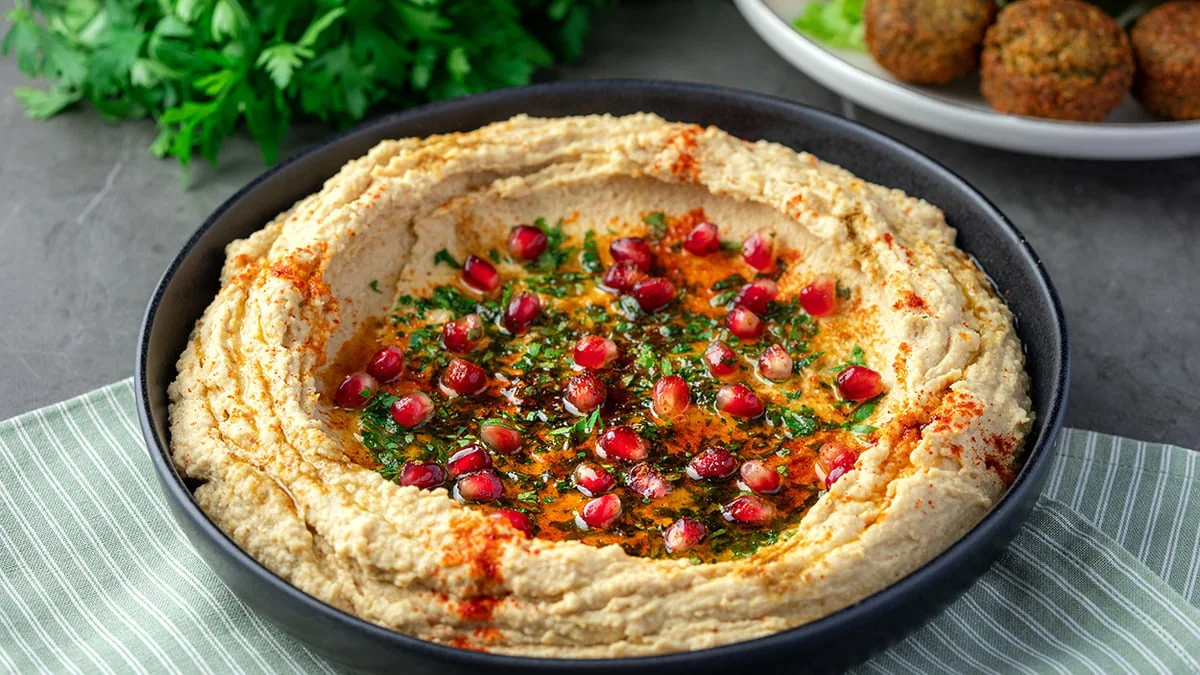
| Hummus with carrot and cucumber sticks | 50 g + 100 g + 100 g | 175 | 5 g |
| Apple + a small handful of almonds | 182 g + 15 g | 182 | 4 g |
| Feta, whole-wheat bread and cucumber | 30 g + 1 slice + 150 g | 184 | 9 g |
| Small banana + 1 tbsp peanut butter | 100 g + 16 g | 185 | 5 g |
| Hazelnuts (one handful) | 30 g | 188 | 5 g |
| Edamame, shelled | 1 cup (155 g) | 188 | 18 g |
Notice how different the portions look. Three cups of popcorn and a palm-sized pile of almonds land in a similar range, because one is mostly air and fiber and the other is mostly fat. If you are unsure what "a handful" means for you, our guide to portion sizes without a scale shows how to estimate it.
Which snacks give the most protein per calorie?
If your goal is to stay full while eating less, protein per 100 kcal is a useful lens. Greek yogurt with berries gives about 14 g of protein per 100 kcal, cottage cheese about 10 g and edamame about 10 g. Almonds give about 4 g and dates less than 1 g. None of these is "better" in every sense, since nuts bring fiber, vitamin E and healthy fats, but if you often reach dinner very hungry, a protein-based snack in the afternoon is worth trying. See how much protein you need per day to see how snacks can help you reach your total.
What about ready-made dishes as a snack?
Some lighter dishes work just as well as a snack as they do as a side. In Sporty's per-serving estimates, cacık (yogurt, cucumber and mint) is about 120 kcal with 7 g protein, a shepherd's salad about 160 kcal, gazpacho about 170 kcal and baba ganoush with cucumber sticks about 180 kcal. A full hummus and raw vegetable plate is about 260 kcal, so half of it fits the 200 kcal line. Real values depend on recipe and portion, especially on how much olive oil goes in.
How do you pick a packaged snack?
Packaged snacks are often where added sugar hides. The new Dietary Guidelines for Americans 2025–2030 give unusually concrete numbers here: snacks should follow the FDA "healthy" claim limits, which means a grain snack such as crackers should have no more than 5 g of added sugar per ¾ ounce whole-grain equivalent, and a dairy snack such as yogurt no more than 2.5 g of added sugar per ⅔ cup. For whole meals the guidelines suggest no more than 10 g of added sugar.
In practice, that means a plain yogurt with fresh fruit usually beats a flavored yogurt, and the ingredient list matters: words ending in "-ose" and anything called syrup are added sugars. Our article on daily sugar limits and hidden sources goes further.
Does it matter when you snack?
Timing may matter a little. In the same ZOE PREDICT analysis, the roughly one in three people who snacked after 9 pm had slightly higher HbA1c and higher blood sugar and fat responses after meals than those who snacked earlier. Again, this is a link from observational data, not proof that late snacks cause harm. If you are often hungry late at night, it may be a sign that dinner or your afternoon snack is too small. Read more in late-night eating and weight: facts vs myths.
How do snacks fit into a calorie target?
Snacks are part of the day, not extra. Here is a simple example for someone with a target of 1,800 kcal:
| Meal | kcal |
|---|---|
| Breakfast | 400 |
| Lunch | 550 |
| Afternoon snack: Greek yogurt and strawberries | 124 |
| Dinner | 600 |
| Evening snack: an apple | 95 |
| Total | 1,769 |
Two planned snacks add up to about 220 kcal, around 12% of the day, which is well below the quarter of daily energy seen in the ZOE study. Logging snacks is where most people slip, because they are small and quick. Taking a photo before you eat, as with AI photo calorie counting, makes them hard to forget, and Sporty can add them to your day in seconds.
Quick tips for better snacking
- Plan one or two snacks rather than grazing all afternoon.
- Pair protein or fat with fiber: fruit with nuts, vegetables with hummus, yogurt with berries.
- Portion nuts into a small bowl instead of eating from the bag.
- Choose plain dairy and add your own fruit to keep added sugar low.
- If you have diabetes, kidney disease or a history of disordered eating, ask a doctor or registered dietitian how snacks fit your plan.
Frequently asked questions
Is it better to snack or to eat only three meals?
Both can work. Studies on meal frequency show limited effects on weight on their own; what matters more is your total intake and what the snacks are made of. If snacks stop you from arriving at meals very hungry, they can help.
Are nuts too high in calories for weight loss?
Nuts are energy-dense, so the portion matters. About 28–30 g, roughly one handful, is 160–190 kcal and fits comfortably into most calorie targets.
What is the most filling snack under 200 calories?
Snacks that combine protein and volume, such as Greek yogurt with berries, cottage cheese with fruit or edamame, tend to be the most filling for their calories.
Is fruit a good snack if I'm trying to lose weight?
Yes. A medium apple is about 95 kcal and a medium banana about 105 kcal, with fiber and water. Adding a little protein or a few nuts can make it last longer.
How many snacks a day should I have?
There is no single right number. One or two planned snacks that fit inside your daily calorie target work well for many people.
Sources
- USDA FoodData Central
- Bermingham et al. 2024, Snack quality and snack timing are associated with cardiometabolic blood markers: the ZOE PREDICT study (Eur J Nutr)
- Dietary Guidelines for Americans 2025–2030
- T.C. Sağlık Bakanlığı, Türkiye Beslenme Rehberi (TÜBER) 2022
- Kerksick et al. 2017, ISSN position stand: nutrient timing
This article is general information, not medical advice. If you have a health condition, are pregnant or under 18, talk to a doctor or registered dietitian before changing your diet.