 Sporty
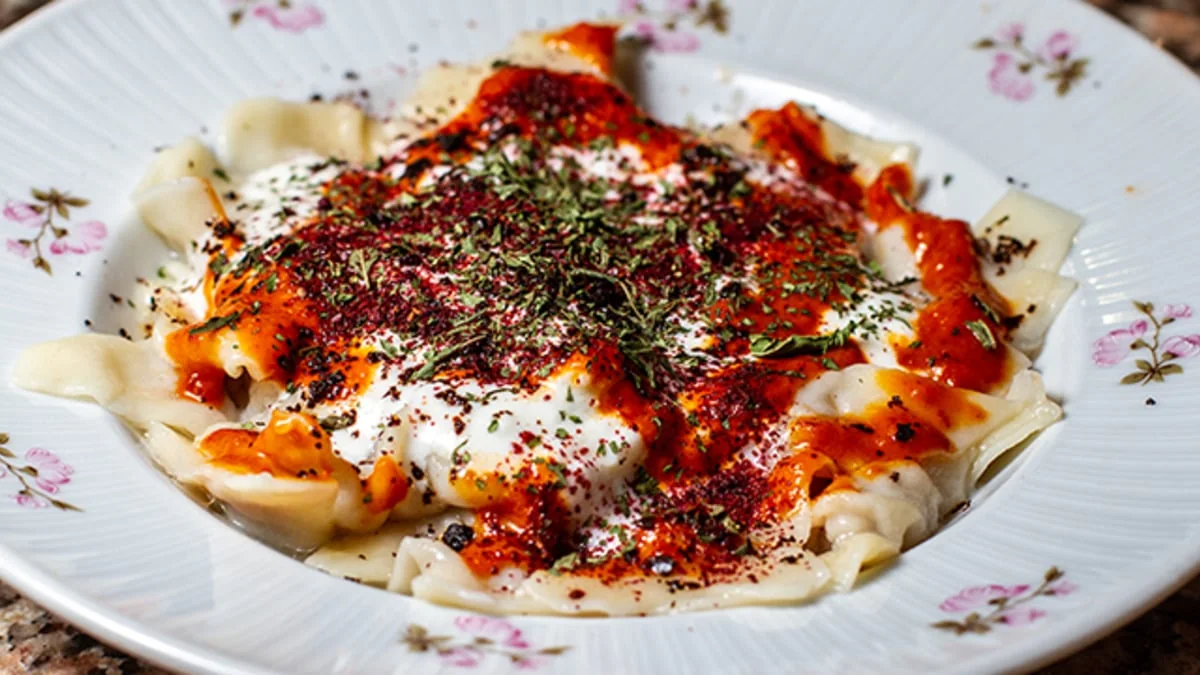
A typical serving of a popular Turkish main dish has roughly 250 to 750 kcal. Red lentil soup is about 250 kcal, chicken shish about 380 kcal, lahmacun about 430 kcal, mantı about 560 kcal, Adana kebab about 620 kcal and İskender about 720 kcal per serving. Oil, butter, bread and portion size cause most of the variation.
Key takeaways
- Soups, salads and grilled chicken are the lightest Turkish options; kebab plates with bread and butter are the heaviest.
- Chicken shish gives about 46 g of protein for about 380 kcal, one of the best ratios on a Turkish menu.
- Zeytinyağlı dishes get most of their calories from olive oil, about 120 kcal per tablespoon.
- A thick slice of white bread adds around 130 kcal; decide on your slices before the meal.
- Log ladles, bowls and portions consistently rather than guessing grams.
How many calories are in popular Turkish dishes?
Most single servings of classic Turkish mains fall somewhere between about 250 and 750 kcal. Soups and vegetable dishes sit at the low end, grilled chicken and lahmacun in the middle, and meat dishes served on bread or with butter and yogurt, such as İskender, at the top. The table below lists every Turkish dish in our catalog with calories, protein, carbohydrates and fat per serving. These are Sporty's per-serving estimates; real values depend on the recipe, the cook and the portion on your plate.
| Dish | kcal | Protein | Carbs | Fat |
|---|---|---|---|---|
| Cacık | 120 | 7 g | 8 g | 7 g |
| Shepherd's Salad | 160 | 3 g | 14 g | 11 g |
| Green Beans in Olive Oil | 210 | 5 g | 24 g | 11 g |
| Yogurt Rice Soup | 220 | 9 g | 28 g | 8 g |
| Artichokes in Olive Oil | 230 | 6 g | 26 g | 12 g |
| Red Lentil Soup | 250 | 13 g | 38 g | 6 g |
| Walnut Tomato Salad | 260 | 5 g | 13 g | 21 g |
| Ezogelin Soup | 260 | 11 g | 42 g | 6 g |
| Chicken Soup | 260 | 22 g | 24 g | 8 g |
| Borlotti Beans in Olive Oil | 260 | 11 g | 34 g | 9 g |
| Turkish Vegetable Stew | 260 | 6 g | 30 g | 13 g |
| Bulgur Pilaf | 290 | 8 g | 50 g | 7 g |
| Zucchini Fritters | 300 | 12 g | 22 g | 18 g |
| Turkish Potato Salad | 300 | 5 g | 42 g | 13 g |
| Stuffed Vine Leaves | 300 | 5 g | 42 g | 13 g |
| Stuffed Mussels | 300 | 14 g | 38 g | 10 g |
| Lentil Salad | 320 | 16 g | 42 g | 9 g |
| Imam Bayildi | 320 | 5 g | 26 g | 23 g |
| White Bean Salad | 330 | 14 g | 40 g | 12 g |
| Spicy Bulgur Salad | 340 | 8 g | 52 g | 12 g |
| Lentil Kofte | 340 | 13 g | 56 g | 8 g |
| Poached Chicken with Vegetables | 340 | 40 g | 14 g | 13 g |
| Chickpea Stew | 360 | 16 g | 52 g | 10 g |
| Turkish Poached Eggs with Yogurt | 380 | 20 g | 8 g | 30 g |
| Crispy Cheese Rolls | 380 | 13 g | 32 g | 22 g |
| Chicken Sauté | 380 | 40 g | 14 g | 18 g |
| Chicken Shish Kebab | 380 | 46 g | 8 g | 18 g |
| Stuffed Peppers | 380 | 18 g | 40 g | 16 g |
| Shrimp Casserole | 380 | 30 g | 10 g | 24 g |
| Pan-Fried Anchovies | 420 | 30 g | 16 g | 26 g |
| Beef Sauté | 420 | 40 g | 12 g | 24 g |
| Lahmacun | 430 | 20 g | 56 g | 14 g |
| Eggs with Turkish Sausage | 450 | 24 g | 3 g | 38 g |
| White Bean Stew with Beef | 450 | 28 g | 50 g | 15 g |
| Menemen and white cheese | 460 | 28 g | 24 g | 28 g |
| Stuffed Eggplant | 460 | 20 g | 24 g | 32 g |
| Meat and Vegetable Casserole | 460 | 34 g | 22 g | 26 g |
| Chickpea Stew with Beef | 470 | 30 g | 46 g | 18 g |
| Eggplant Moussaka | 480 | 22 g | 24 g | 33 g |
| Lentil soup and bulgur salad | 510 | 24 g | 82 g | 10 g |
| Slow-Roasted Lamb | 520 | 44 g | 4 g | 37 g |
| Chicken and Rice | 520 | 34 g | 64 g | 13 g |
| Turkish Dumplings | 560 | 26 g | 64 g | 22 g |
| Braised Lamb Shank | 560 | 50 g | 12 g | 34 g |
| Chicken Döner Wrap | 560 | 38 g | 50 g | 22 g |
| Grilled meatballs, roasted potatoes and piyaz | 590 | 46 g | 48 g | 22 g |
| Lamb Stew on Eggplant Purée | 610 | 36 g | 26 g | 40 g |
| Adana Kebab | 620 | 36 g | 40 g | 34 g |
| Kumpir Stuffed Potato | 620 | 18 g | 76 g | 28 g |
| Grilled chicken, bulgur and cacık | 640 | 58 g | 62 g | 18 g |
| Iskender Kebab | 720 | 40 g | 48 g | 40 g |
Which Turkish dishes are lightest and which are heaviest?
A few patterns explain most of the differences:
- Soups and salads are light. Red lentil soup is about 250 kcal per serving with 13 g of protein, and a shepherd's salad (çoban salata) about 160 kcal, most of it from the olive oil.
- Grilled chicken is the best calorie-to-protein deal. Chicken shish comes to about 380 kcal with 46 g of protein, which is why it is a go-to order when you are watching calories.
- Dough and bread add up. Lahmacun is around 430 kcal and mantı around 560 kcal, mostly from the dough and, for mantı, the garlic yogurt and butter sauce.
- Kebab plates are the heaviest. Adana kebab is about 620 kcal and İskender about 720 kcal per serving, because fatty minced or sliced meat is combined with bread, butter and yogurt.
Breakfast favourites follow the same logic. Menemen with white cheese is about 460 kcal, çılbır about 380 kcal and eggs with sucuk about 450 kcal, with sucuk pushing the fat to roughly 38 g. On a full Turkish breakfast table, the bread, olives, honey and kaymak around them need to be counted separately.
What do kepçe, kase and porsiyon mean for calories?
Turkish home cooking is served in units, not grams, so it helps to know what each one usually means:
- Kepçe (ladle): the standard unit for soups and stews such as kuru fasulye or nohut. A ladle varies a lot in size between kitchens, so “two ladles” in one house can be one and a half in another. If you cook at home, measure your own ladle once with a measuring cup.
- Kase (bowl): common for soup, yogurt and cacık. A soup bowl usually holds one to two ladles, so log the number of ladles where you can.
- Porsiyon (portion): the restaurant unit. Esnaf lokantası portions and kebab house portions are not standardized, and a “double” or “one and a half” portion (bir buçuk porsiyon) is common. The catalog values above refer to one typical serving.
- Tabak (plate): for pilaf and pasta, a heaped plate can easily be twice a flat one.
The practical takeaway: count units consistently. If you always log “one ladle” of the same pot, your estimate will be steady even if the absolute number is a little off.
How much oil is in zeytinyağlı dishes?
Zeytinyağlı dishes, vegetables cooked in olive oil and served at room temperature, are among the healthiest parts of Turkish cuisine, but they are not automatically low in calories. The vegetables themselves (green beans, artichokes, leeks, celeriac) contribute relatively little; most of the energy comes from the oil.
Olive oil provides about 120 kcal per tablespoon (USDA FoodData Central). A worked example: a pot of zeytinyağlı taze fasulye made with half a cup of olive oil, which is about 8 tablespoons, and shared between four people carries roughly 960 kcal of oil, or about 240 kcal per serving before the beans are counted. The same recipe made with 4 tablespoons halves that to about 120 kcal per serving.
Ways to keep zeytinyağlı dishes light without losing their character:
- Leave the pooled oil in the pot or on the serving dish rather than spooning it over your portion.
- When cooking, reduce the oil gradually; many recipes taste nearly the same with noticeably less.
- Add a protein next to them, such as yogurt, legumes or grilled chicken, since most vegetable dishes are low in protein.
How many calories does bread add to a Turkish meal?
Bread is the quiet calorie in many Turkish meals. Ekmek arrives with almost every dish, and dipping it into the sauce of a stew or the juices of a salad (banmak) is part of the pleasure. White bread provides roughly 265 kcal per 100 g (USDA FoodData Central), so a thick slice of about 50 g is around 130 kcal. Three slices alongside a bowl of lentil soup can add more energy than the soup itself.
You do not need to give bread up. Decide how many slices you will eat before the meal, log them, and consider wholegrain bread, which offers more fibre for similar calories. Remember that lahmacun, pide, döner wraps and İskender already contain bread, so extra bread on the side is a second serving of carbohydrates.
What are the best lighter swaps for Turkish favourites?
These swaps use the per-serving catalog estimates above and keep the meal recognisably Turkish:
| Instead of | Try | Approximate difference |
|---|---|---|
| İskender (720 kcal, 40 g protein) | Chicken shish (380 kcal, 46 g protein) | About 340 kcal less, more protein |
| Adana kebab (620 kcal) | Chicken shish plus shepherd's salad (540 kcal) | About 80 kcal less, more vegetables |
| Mantı (560 kcal) | Red lentil soup plus shepherd's salad (410 kcal) | About 150 kcal less |
| Eggs with sucuk (450 kcal, 38 g fat) | Menemen with white cheese (460 kcal, 28 g fat) | Similar calories, less fat, more protein |
Small requests at a restaurant also help: ask for the butter on İskender to be served on the side or left off, choose ayran or water over sugary drinks, and share the bread basket. A chicken döner wrap (about 560 kcal, 38 g protein) is a reasonable choice when you need something quick, especially without extra fries.
How do you log Turkish food accurately?
Home-cooked Turkish food is hard to log because every family has its own recipe. Three habits make a big difference: log the number of ladles, slices or portions rather than guessing grams; add cooking oil and butter separately when you know them; and for restaurant meals, start from a typical serving like the ones above and adjust if the plate is clearly larger. If you ate a ladle of kuru fasulye, a plate of pilaf and two slices of bread, enter them as three separate items: that way you can also see which one is driving the total. Sporty recognises Turkish dishes from a photo and lets you edit ingredients and portions, which is useful for recipes like karnıyarık or dolma where the oil varies most.
For daily targets, see how many calories you need to lose weight. If you have a medical condition such as diabetes or kidney disease, a registered dietitian can help you fit traditional dishes into your plan.
Frequently asked questions
How many calories are in İskender kebab?
Sporty's per-serving estimate is about 720 kcal with 40 g of protein, 48 g of carbohydrates and 40 g of fat. The butter, bread and portion size can move this considerably.
Is lahmacun high in calories?
One lahmacun is about 430 kcal in Sporty's catalog, most of it from the dough. It is moderate on its own, but two pieces with ayran and extra bread add up quickly.
What is the lowest-calorie Turkish main dish?
Among common mains, soups such as red lentil soup (about 250 kcal) and grilled chicken shish (about 380 kcal) are among the lightest options.
Are zeytinyağlı dishes low in calories?
Not necessarily. The vegetables are light, but olive oil adds about 120 kcal per tablespoon, so the amount of oil in the recipe decides most of the calories.
How big is a kepçe of soup?
It varies by kitchen and ladle size. The most reliable approach is to measure your own ladle once with a measuring cup and then log ladles consistently.
Sources
This article is general information, not medical advice. If you have a health condition, are pregnant or under 18, talk to a doctor or registered dietitian before changing your diet.