

Many one-tray dinners land between 400 and 600 kcal: in Sporty's estimates, baked sea bream with vegetables is about 400 kcal, roast chicken with vegetables 480 kcal and salmon with sweet potato 540 kcal, each with 40 g or more protein. Fill half the tray with vegetables and measure the oil: each tablespoon adds about 120 kcal.
Key takeaways
- Eight sheet-pan dinners range from about 400 to 590 kcal with 32–54 g of protein (Sporty estimates).
- Fill half the tray with vegetables, add a palm-sized protein and an optional fist of starch.
- Each tablespoon of oil adds about 120 kcal; toss vegetables with one measured spoon instead of drizzling.
- Cook poultry to 74°C (165°F) and ground meat to 71°C (160°F), per the CDC.
- Trays are easy to batch cook: weigh the cooked tray, divide into portions and log one.
Why do sheet-pan dinners work so well for weight loss?
A sheet-pan dinner is a whole meal roasted on one tray: a protein, a pile of vegetables and sometimes a starch, all cooked together in a hot oven. It is quick to prepare, easy to portion and leaves one tray to wash. For anyone watching calories, it has one more advantage: you can see and measure everything that goes on the tray, including the oil, which is where most of the hidden calories in roasted food come from.
The numbers below are Sporty's per-serving estimates for dishes that work well on a tray. Real values depend on the recipe, the cut of meat and the portion, so treat them as a realistic guide rather than exact figures.
Which sheet-pan dinners stay under 600 calories?
| Dinner (one serving) | Calories | Protein | Carbs | Fat |
|---|---|---|---|---|
| Baked sea bream with vegetables | 400 kcal | 42 g | 12 g | 20 g |
| Tofu with roasted vegetables | 420 kcal | 32 g | 34 g | 20 g |
| Fish with roasted vegetables | 450 kcal | 48 g | 24 g | 18 g |
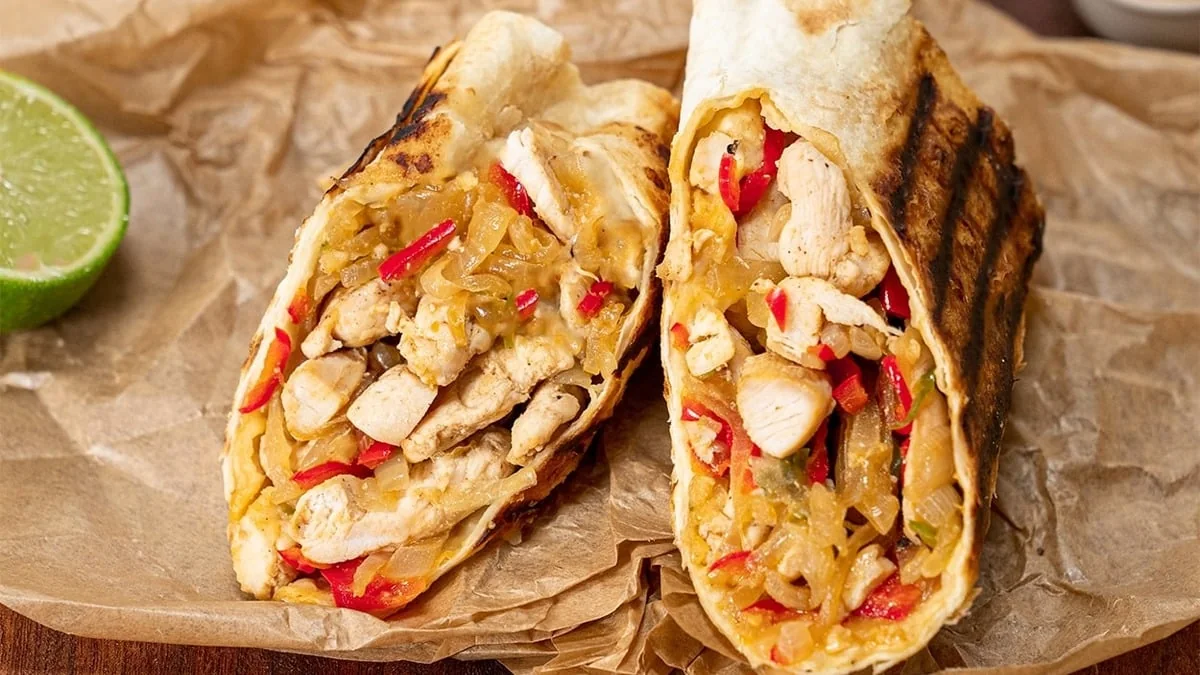
| Chicken fajitas (peppers, onions, tortillas) | 460 kcal | 38 g | 36 g | 18 g |
| Roast chicken with vegetables | 480 kcal | 46 g | 18 g | 24 g |
| Salmon with sweet potato | 540 kcal | 44 g | 42 g | 20 g |
| Steak with asparagus | 580 kcal | 54 g | 10 g | 34 g |
| Meatballs with roasted potatoes and bean salad | 590 kcal | 46 g | 48 g | 22 g |
Every dinner in the table delivers at least 32 g of protein, and most deliver 40 g or more, which helps keep you full on fewer calories. The lighter fish and tofu trays leave room for a slice of bread, a small portion of rice or a yogurt side while still staying under 600 kcal. Recipes for roast chicken with vegetables and chicken fajitas are good starting points.
How do you build a balanced tray?
Use a simple formula for one person and multiply it for the family:
- Protein, about a palm or two: chicken thighs or breast, a fish fillet, lean meatballs, firm tofu or chickpeas.
- Vegetables, half the tray: peppers, onions, courgette (zucchini), broccoli, cauliflower, carrots, aubergine (eggplant), cherry tomatoes, green beans. The WHO recommends at least 400 g of fruit and vegetables a day, and a full tray of vegetables gets you a long way there.
- Starch, a fist-sized portion (optional): potato or sweet potato wedges, chickpeas, or tortillas warmed at the end.
- Flavour without many calories: garlic, lemon, paprika, cumin, oregano, chilli flakes, za'atar, soy sauce or a spoon of tomato paste.
Cut everything to a similar size so it cooks evenly. Spread the pieces in a single layer and leave space between them: crowded vegetables steam instead of browning. Hard vegetables such as potatoes and carrots go in first; quick-cooking ones such as peppers, asparagus or fish fillets join for the last 12–20 minutes.
How much oil should you use?
Oil is the easiest place for a light tray to become a heavy one. Fat has 9 kcal per gram, so a tablespoon of oil (about 13.5 g) adds about 120 kcal. Three generous glugs straight from the bottle can add 300–400 kcal to a tray without you noticing.
| Oil on the tray | Extra calories | Per serving (tray for 2) |
|---|---|---|
| 1 teaspoon | about 40 kcal | about 20 kcal |
| 1 tablespoon | about 120 kcal | about 60 kcal |
| 3 tablespoons | about 360 kcal | about 180 kcal |
A practical approach: put the vegetables in a bowl, add one measured tablespoon of oil with the spices and toss with your hands until everything is coated. This spreads a small amount much further than drizzling. Parchment paper also helps stop food sticking without extra fat. For which oil to choose, see the guide to cooking oils.
What can you add to a lighter tray?
If your tray comes in well under 600 kcal, a side can make the meal more filling without going over. Here is how a few combinations add up from the same estimates:
| Tray + side | Calories | Protein |
|---|---|---|
| Baked sea bream + shepherd's salad | 560 kcal | 45 g |
| Tofu with roasted vegetables + cacık (yogurt and cucumber) | 540 kcal | 39 g |
| Fish with roasted vegetables + red lentil soup | 700 kcal | 61 g |
| Roast chicken with vegetables + extra roasted vegetables | 720 kcal | 52 g |
A salad or a yogurt side keeps the total under 600 kcal. A soup or a second tray of vegetables makes a bigger meal of around 700 kcal, which can still suit a person with higher energy needs or a day with fewer snacks.
Five tray ideas from around the world
- Mediterranean fish tray: sea bream or cod with cherry tomatoes, courgette, olives, lemon and oregano.
- Fajita tray: sliced chicken, peppers and onions with cumin and smoked paprika; warm the tortillas on the tray for the last two minutes.
- Turkish-style kofte tray: lean meatballs with potato wedges, peppers and tomatoes, served with a bean salad or cacık.
- Teriyaki-style salmon tray: salmon with broccoli and sweet potato, brushed with a little soy, ginger and garlic.
- Vegetarian chickpea tray: chickpeas, cauliflower, red onion and carrots with curry spices, finished with yogurt and herbs.
Is it safe to cook meat and vegetables together?
Yes, as long as the meat reaches a safe temperature. According to the CDC, poultry should reach 165°F (74°C) inside, ground meats such as meatballs 160°F (71°C), and whole cuts of beef, pork or lamb 145°F (63°C) followed by a three-minute rest. A cheap kitchen thermometer removes the guesswork. Refrigerate leftovers within two hours.
Can you meal prep sheet-pan dinners?
Sheet-pan dinners are ideal for batch cooking. Roast two trays on Sunday, divide them into containers and you have several lunches or dinners ready. The weekly meal prep plan shows how to organise it. Logging is simple too: weigh the cooked tray, divide by the number of portions and log one portion. Sporty can also estimate a plate from a photo, which you can adjust afterwards. If you prefer a pot to a tray, the guide to one-pot dinners under 600 calories uses the same principles.
These dinners are examples, not a prescription. Your calorie needs depend on your size, age and activity. If you have a medical condition or specific dietary needs, ask a doctor or registered dietitian how to adapt them.
Frequently asked questions
What is the healthiest sheet-pan dinner?
Trays built on fish, chicken or tofu with plenty of vegetables are among the lightest. In Sporty's estimates, baked sea bream with vegetables is about 400 kcal with 42 g of protein.
How do I keep sheet-pan vegetables crispy without lots of oil?
Use a hot oven, spread the vegetables in one layer with space between them, and toss them with one measured tablespoon of oil in a bowl before roasting. Crowding makes them steam.
Can I roast chicken and vegetables at the same time?
Yes. Start hard vegetables such as potatoes first, add the chicken so everything finishes together, and check that the chicken reaches 74°C (165°F) inside.
How do I log a sheet-pan dinner?
Weigh the whole cooked tray, divide by the number of portions and log one portion, including the oil you measured. A photo log works too if you adjust the portion.
Was this article helpful?
No ratings yet — be the first.
Tap a star to rate it — your rating helps us improve and helps other readers.
Sources
This article is general information, not medical advice. If you have a health condition, are pregnant or under 18, talk to a doctor or registered dietitian before changing your diet.