

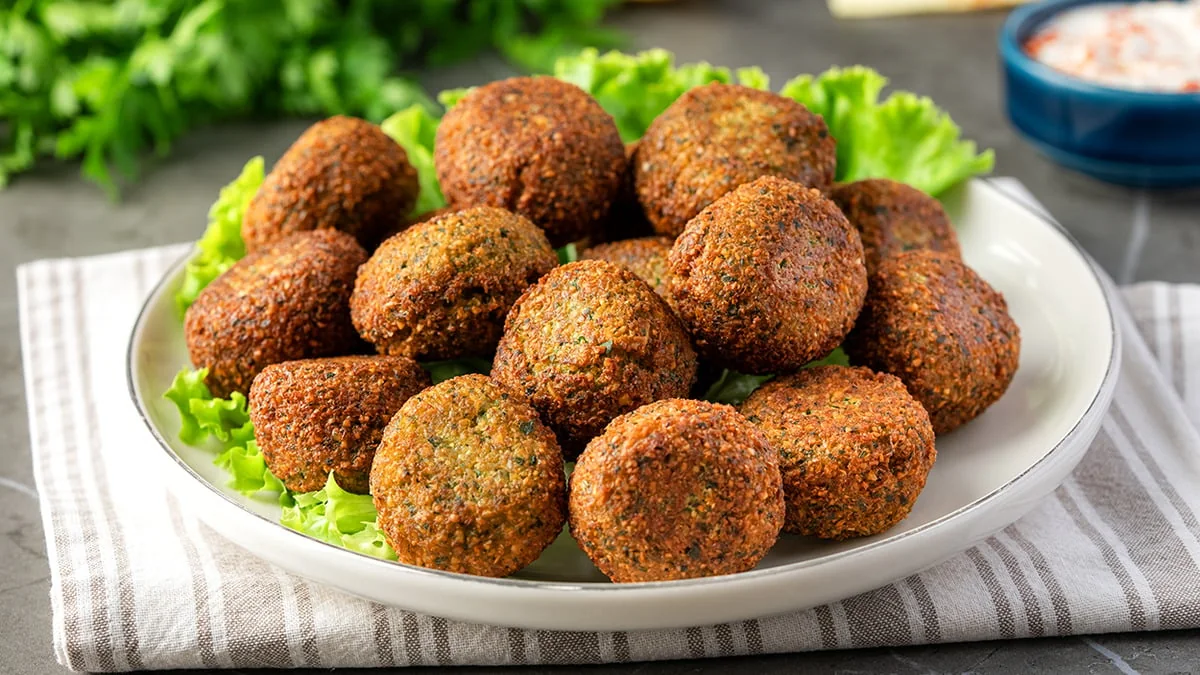
Cooking method changes a dish's calories mainly through the fat it adds. Grilling, baking, steaming and boiling add little, while frying lets food absorb oil, and every tablespoon of oil adds roughly 120 kcal. In Sporty's catalog, fried falafel has 22 g of fat versus 8 g for unfried lentil köfte, which makes up most of the 80 kcal gap.
Key takeaways
- Heat itself barely changes calories; added oil, butter, batter and sauces do.
- One tablespoon of oil is about 120 kcal, so the amount in the pan matters most.
- Grilling, baking, steaming, poaching and boiling need little or no added fat.
- Breading and batter soak up oil, so fried coated foods usually gain the most.
- WHO suggests steaming or boiling instead of frying to reduce saturated and trans fat.
Does cooking change the calories in food?
The heat itself changes very little. A chicken breast has roughly the same protein and energy whether you grill it, bake it or poach it. What changes the number on your plate is what the cooking method adds or removes:
- Added fat. Oil, butter or ghee in the pan, on the tray or in the fryer. Fat has 9 kcal per gram, more than twice protein or carbohydrates (4 kcal per gram), so small amounts add up fast.
- Coatings. Flour, breadcrumbs and batter add their own calories and, when fried, soak up oil.
- Sauces and finishes. Cream sauces, melted butter, cheese toppings and sweet glazes.
- Fat that drips away. On a grill or rack, some of the fat from fatty meat can run off, which makes the cooked portion slightly leaner.
So the real question is not "Is baking healthier than frying?" but "How much fat ends up in the food?"
How many calories does cooking oil add?
A tablespoon of olive oil or sunflower oil is about 13–14 g of fat, or roughly 120 kcal (USDA FoodData Central). A teaspoon is about 40 kcal. That is why two cooks can make the same dish 100–200 kcal apart: one uses a teaspoon to coat the pan, the other pours in three or four tablespoons.
| Amount of oil | Approximate kcal |
|---|---|
| 1 teaspoon | ≈ 40 kcal |
| 1 tablespoon | ≈ 120 kcal |
| 3 tablespoons | ≈ 360 kcal |
| Half a tea glass (about 50 ml) | ≈ 400–450 kcal |
For a closer look at different fats, see our article on cooking oils compared. Olive oil and other liquid vegetable oils are good choices for heart health, but they are just as energy-dense as butter, so the quantity still matters when you are watching calories.
How do the main cooking methods compare?
| Method | Fat usually added | Effect on calories | Good for |
|---|---|---|---|
| Boiling, poaching | None | Lowest | Chicken, eggs, legumes, vegetables, soups |
| Steaming | None | Lowest | Fish, vegetables, dumplings |
| Grilling | None to a light brush | Low; fat can drip off | Kebabs, fish, köfte, vegetables |
| Baking, roasting | Little to moderate | Low to medium, depends on oil on the tray | Whole fish, chicken, vegetable trays |
| Air frying | Little or none | Low; crisp texture without much oil | Potatoes, vegetables, coated chicken |
| Sautéing, stir-frying | Moderate | Medium, depends on how much oil | Sote dishes, vegetables, eggs |
| Shallow and deep frying | High, absorbed by the food | Highest, especially with batter or breading | Occasional dishes you love |
The WHO healthy diet fact sheet suggests steaming or boiling instead of frying as one way to cut saturated and trans fat, and limiting fried and baked goods such as pastries and packaged snacks.
What does this look like in real dishes?
Recipes and portions differ, so these are not perfect like-for-like tests, but they show the pattern. The numbers are Sporty's per-serving estimates; real values depend on recipe and portion.
| Dish | Method | kcal | Protein | Fat |
|---|---|---|---|---|
| Poached chicken with vegetables | Boiled, 1 tbsp oil | 340 | 40 g | 13 g |
| Chicken shish | Grilled | 380 | 46 g | 18 g |
| Roast chicken with vegetables | Oven-roasted | 480 | 46 g | 24 g |
| Baked sea bream | Baked, 1 tbsp oil | 400 | 42 g | 20 g |
| Pan-fried anchovies (hamsi tava) | Floured and fried | 420 | 30 g | 26 g |
| Lentil köfte | No frying | 340 | 13 g | 8 g |
| Falafel | Deep-fried | 420 | 15 g | 22 g |
| Ratatouille | Stewed, 1 tbsp oil | 220 | 5 g | 12 g |
| İmam bayıldı | Eggplant cooked in plenty of olive oil | 320 | 5 g | 23 g |
Two things stand out. Falafel and lentil köfte are both legume-based with similar protein, but falafel carries almost three times the fat. And among the vegetable dishes, İmam bayıldı has nearly twice the fat of ratatouille because eggplant soaks up oil readily. None of these dishes is "bad"; the table simply shows where the calories come from, so you can choose with your eyes open.
How can you keep flavour while using less fat?
- Measure the oil. Use a spoon instead of pouring from the bottle. This single habit often saves 100–200 kcal per dish.
- Brush or spray instead of pouring. A pastry brush or oil sprayer coats a tray or pan with a fraction of the oil.
- Roast eggplant before using it. Baking slices on a tray with a light brush of oil, instead of frying them, keeps the flavour for dishes like karnıyarık or musakka with far less oil.
- Use non-stick pans or baking paper. They let you cook eggs, köfte and fish with very little fat.
- Season boldly. Lemon, garlic, sumac, pul biber, cumin, fresh herbs and yogurt marinades give flavour without calories.
- Add the oil at the end. A teaspoon of good olive oil drizzled over a finished dish is more noticeable than three tablespoons cooked in.
- Drain fried food on paper. It removes some surface oil when you do fry.
Our list of 10 smart Turkish food swaps has more ideas for familiar dishes.
Does cooking affect how you should log food?
Yes, in two ways. First, log the cooking fat. If you fry two eggs in a tablespoon of butter, the butter is a large part of the meal. Second, remember that weight changes with cooking: meat and vegetables lose water and get lighter, while rice, pasta and bulgur absorb water and get heavier. Calories per 100 g therefore differ between raw and cooked versions of the same food, so match your weight to the right entry. Our guide on logging home-cooked meals shows how to handle whole pots and family dishes. Sporty lets you log a home-cooked dish by photo and adjust ingredients such as oil afterwards, which helps when the recipe is your own.
Is fried food ever fine?
Of course. Calories are about the whole week, not one dish. If you love hamsi tava or homemade falafel, enjoy them, and balance the rest of the day with grilled, baked or boiled meals and plenty of vegetables. Cooking at home more often, with oil you measure, usually makes a bigger difference than avoiding any single dish.
Frequently asked questions
Does frying add a lot of calories?
It can. Food absorbs some of the frying oil, and oil has about 120 kcal per tablespoon. Battered or breaded foods absorb the most.
Is grilling lower in calories than baking?
Both add little fat when you use only a light brush of oil. Grilling can let some fat drip off fatty meat, but the oil you add matters more than the method.
Does boiling vegetables reduce their calories?
Not meaningfully. Boiling adds no fat, which keeps the dish light, but the vegetables' own calories stay about the same.
Are air-fried foods lower in calories?
Usually, because air frying needs little or no oil compared with deep or shallow frying. Coated foods still carry the calories of the breading.
Was this article helpful?
No ratings yet — be the first.
Tap a star to rate it — your rating helps us improve and helps other readers.
Sources
This article is general information, not medical advice. If you have a health condition, are pregnant or under 18, talk to a doctor or registered dietitian before changing your diet.