

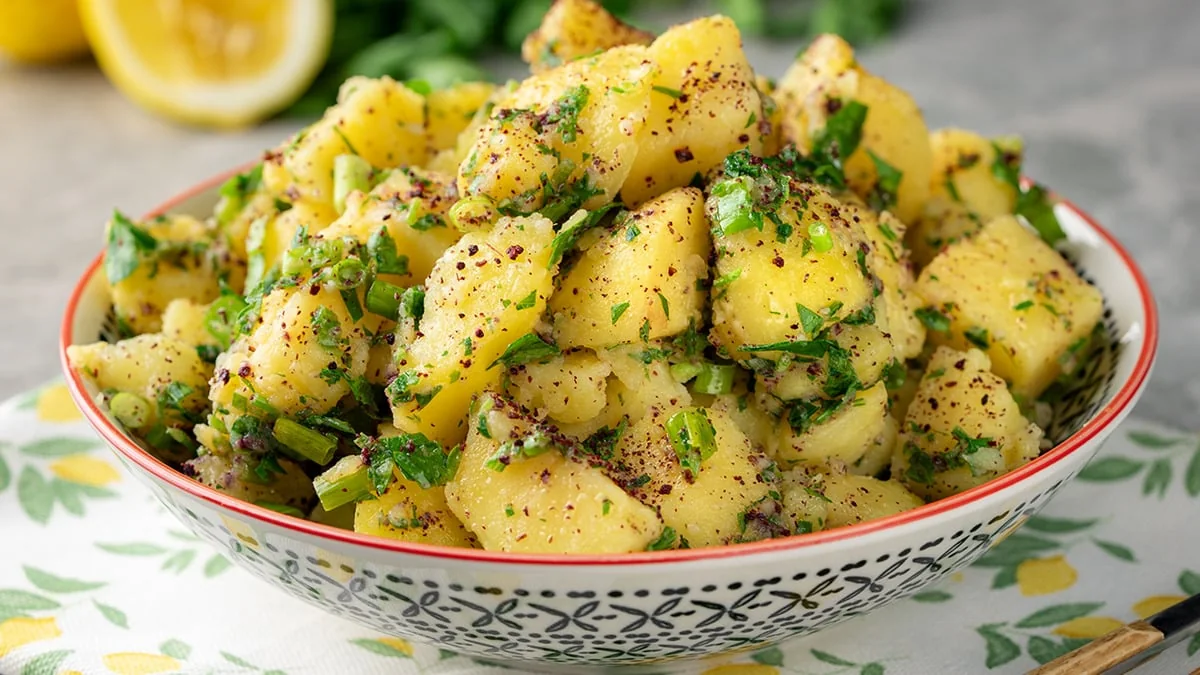
Potatoes are not fattening on their own. Gram for gram, starchy foods have less than half the calories of fat, and potato dishes mostly become high in calories through frying oil, butter, cheese and creamy toppings. Boiled, baked or lightly roasted potatoes in sensible portions, eaten with protein and vegetables, fit well into weight loss.
Key takeaways
- No single food causes weight gain; total energy balance does.
- Frying oil, butter, cheese and creamy toppings add most of the calories in potato dishes.
- The NHS does not count potatoes towards your 5 A Day; treat them as the starchy part of the meal.
- Leaving the skin on keeps more fibre and vitamins, and potatoes provide some vitamin C.
- Cook to a golden colour rather than dark brown to limit acrylamide, and mix in boiling or steaming.
Why do potatoes have such a bad reputation?
Potatoes are one of the world's most common staple foods, eaten boiled in Northern Europe, mashed in the UK and US, roasted with herbs around the Mediterranean, stuffed as kumpir in Istanbul and fried almost everywhere. They are also one of the first foods people cut when they start a diet, usually because of the belief that carbohydrates, and starchy carbs in particular, cause weight gain.
The reality is more useful than the myth. Weight change depends on your overall energy balance, not on one food, and the way a potato is cooked and served changes its calories far more than the potato itself. Below are six common myths, checked against what the NHS, EFSA and WHO actually say.
Myth 1: "Potatoes are fattening"
The facts: no single food is fattening on its own; what matters is how much energy you eat in total compared with what you use. The NHS points out that, gram for gram, starchy foods contain fewer than half the calories of fat. The calories in a potato dish mostly climb because of what is added: oil for frying or roasting, butter, cream, cheese and mayonnaise.
You can see this in Sporty's per-serving estimates (real values depend on recipe and portion):
| Dish | kcal | Protein | Carbs | Fat |
|---|---|---|---|---|
| Turkish potato salad (olive oil, herbs) | 300 | 5 g | 42 g | 13 g |
| Grilled meatballs, roasted potatoes and bean salad | 590 | 46 g | 48 g | 22 g |
| Kumpir (baked potato with butter, cheese and toppings) | 620 | 18 g | 76 g | 28 g |
| Baked salmon and sweet potato | 540 | 44 g | 42 g | 20 g |
The kumpir and the meatball plate have similar calories, but the meatball plate brings more than twice as much protein, which makes it more filling for the same energy. The potato is not the problem in either case; the toppings and the rest of the plate make the difference.
Myth 2: "Potatoes count as one of your vegetables"
The facts: in the UK guidance they do not. The NHS says potatoes do not count towards your five portions of fruit and vegetables a day because they are mainly eaten as a starchy food, in the same group as bread, rice and pasta. That does not make them bad; it just means a plate of potatoes still needs vegetables or salad next to it. WHO recommends at least 400 g of fruit and vegetables a day for adults, and potatoes are best treated as the starchy part of a meal rather than part of that total.
Myth 3: "Potatoes have no nutrients"
The facts: potatoes are more than starch. The NHS lists potatoes among the sources of vitamin C, alongside citrus fruit, peppers, strawberries and broccoli. Leaving the skin on also helps: the NHS advises keeping potato skins on where possible to keep more of the fibre and vitamins. Fibre is one reason boiled or baked potatoes with skin feel filling; our article on calorie density explains why foods with plenty of water and fibre help you eat satisfying portions for fewer calories.
Myth 4: "All potato dishes are much the same"
The facts: cooking method changes everything. The NHS describes potatoes as a healthy choice when boiled, baked, mashed or roasted with only a small amount of fat or oil, and notes that chips cooked in oil or served with salt are not a healthy choice. It suggests oven-baked potato wedges as an alternative to fried chips.
| Cooking method | What it adds | Lighter approach |
|---|---|---|
| Boiled or steamed | Nothing, unless butter goes on afterwards | Finish with herbs, lemon or a spoon of yogurt |
| Baked in the skin | Toppings: butter, cheese, sour cream | Fill with beans, cottage cheese, tuna or salad |
| Mashed | Butter and cream | Use milk and a little olive oil; keep some skin in |
| Roasted | Oil, often more than you think | Measure the oil with a spoon and toss well |
| Deep-fried | Oil absorbed during frying, plus salt | Oven wedges as an occasional alternative |
Our guide to cooking methods and calories covers the same principle for other foods.
Myth 5: "The crispier and browner, the better"
The facts: very dark, crispy potatoes are not ideal for another reason. Acrylamide is a chemical that forms naturally in starchy foods cooked at high temperatures (typically above 120 °C) with little moisture, as in frying, roasting and baking. EFSA identifies fried potato products as one of the largest sources of acrylamide for adults, and concluded that acrylamide in food potentially increases cancer risk for consumers of all ages.
The practical advice from EFSA and the NHS is simple: avoid over-browning, aim for a golden yellow colour or lighter, and vary your cooking methods, with boiling or steaming in the mix rather than always frying or roasting.
Myth 6: "To lose weight, you must cut out potatoes"
The facts: you can lose weight with potatoes on the menu, just as you can with bread or pasta. What helps is a sensible portion, a cooking method that does not pile on fat, and a plate built around protein and vegetables:
- Portion: a fist-sized portion of boiled or baked potato is a reasonable starting point for most meals.
- Protein: pair potatoes with fish, chicken, eggs, beans, lentils or yogurt.
- Vegetables: fill at least a third to half of the plate with salad or cooked vegetables.
- Fat: measure oil and butter instead of pouring; that is where most of the extra calories hide.
For example, a dinner of grilled fish, a fist of boiled new potatoes with skins, a big salad and a teaspoon of olive oil is a balanced, filling plate. Swap the boiled potatoes for a large portion of fries and the calories rise mainly because of the frying oil.
What about sweet potatoes?
Sweet potatoes are often presented as the "healthy" alternative, but the same rules apply: they are a starchy food, and the cooking method and toppings matter more than the type. Sporty's estimate for baked salmon with sweet potato, 540 kcal with 44 g of protein, shows how well either kind of potato works when the rest of the plate is balanced. Choose the one you enjoy.
How do you log potatoes accurately?
Potato dishes are easy to underestimate because the oil is invisible. When you log a meal, say or type how the potatoes were cooked and roughly how much fat was used, for example "roast potatoes, about a fist, roasted with one tablespoon of olive oil for four portions". In Sporty you can do this by voice or text, or take a photo and then edit the portion and add the oil before saving. For a broader view of starchy foods, see carbs explained.
Frequently asked questions
Are boiled potatoes good for weight loss?
They can be. Boiled potatoes with their skins are filling and contain no added fat, so a sensible portion next to protein and vegetables fits well into a calorie deficit.
Do potatoes count as a vegetable?
Not in NHS guidance. Potatoes are classed as a starchy food, like bread, rice and pasta, so they do not count towards your five portions of fruit and vegetables a day.
Are sweet potatoes better than white potatoes for weight loss?
Both are starchy foods, and the cooking method and toppings matter more than the type. Choose the one you enjoy and keep the portion and added fat in check.
Should I peel potatoes?
Where possible, leave the skin on. The NHS advises this to keep more of the fibre and vitamins.
Was this article helpful?
No ratings yet — be the first.
Tap a star to rate it — your rating helps us improve and helps other readers.
Sources
This article is general information, not medical advice. If you have a health condition, are pregnant or under 18, talk to a doctor or registered dietitian before changing your diet.