

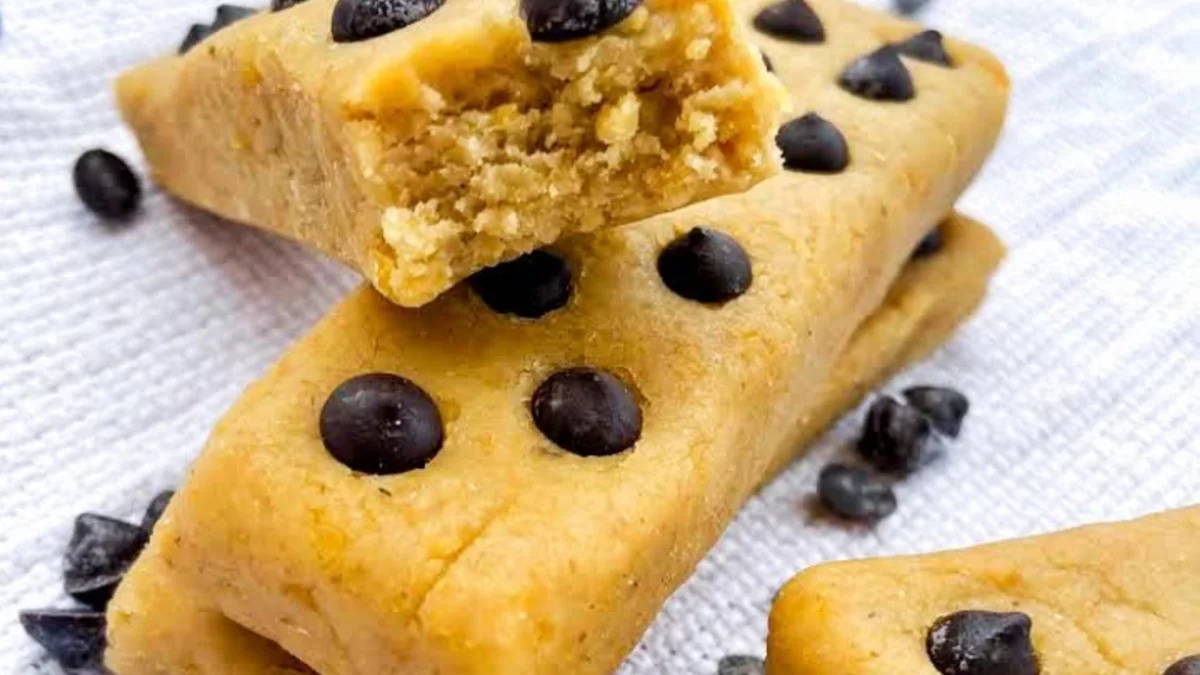
Drinks, snacks and small bites are the items people most often forget to log, yet they can add hundreds of calories a day. Log them as soon as you have them, using a barcode for packaged items, a quick voice or text note for the rest, and a sweep of your day before bed to catch anything missed.
Key takeaways
- Sugar provides 4 kcal per gram, so a drink with 35 g of sugar adds about 140 kcal.
- Alcohol provides 7 kcal per gram and fat 9 kcal per gram, so drinks and oils add up fast.
- Log small items when they happen; memory at the end of the day is unreliable.
- Barcodes suit packaged snacks; voice or text suits tastes, coffees and bites on the go.
- An evening check of drinks, snacks, extras and cooking fat catches most gaps.
Why do drinks and snacks go missing from food logs?
Most people remember their meals. What slips through are the things that do not feel like "eating": the latte on the way to work, the biscuit in a meeting, the spoonful of peanut butter while cooking, the juice with breakfast, the last few bites of a child's pasta. They are quick, often eaten standing up, and rarely photographed.
Individually they look small. Together they can be the difference between a food log that matches your weight trend and one that does not. The CDC suggests keeping a food and beverage diary of everything you consume for a few days as a first step towards understanding your habits, and the word "beverage" is there for a reason.
How many calories can forgotten items add?
A few basic energy values explain why these items matter: carbohydrate and protein provide 4 kcal per gram, alcohol 7 kcal per gram and fat 9 kcal per gram. So:
| Forgotten item | How the calories come about | Approximate kcal |
|---|---|---|
| Soft drink with 35 g sugar (check your label) | 35 g × 4 kcal | About 140 |
| 2 teaspoons of sugar in tea or coffee (about 8 g) | 8 g × 4 kcal | About 32 |
| A tablespoon of cooking oil (about 13–14 g) | 13.5 g × 9 kcal | About 120 |
| Protein bar | Sporty's per-serving estimate | 220 |
| Yogurt and fruit | Sporty's per-serving estimate | 230 |
| Hummus and raw vegetables | Sporty's per-serving estimate | 260 |
| Protein shake (milk, whey, banana) | Sporty's per-serving estimate | 300 |
Sporty's per-serving estimates depend on recipe and portion. Now add up an ordinary day: two sweetened teas (about 64 kcal), a protein bar in the afternoon (220 kcal) and a tablespoon of oil in the pan that never made it into the log (about 120 kcal). That is roughly 400 kcal, about the size of a small meal, missing every day. Over a week it is close to 2,800 kcal.
How do you log drinks?
Drinks are the easiest category to forget and one of the easiest to fix. A few habits help:
- Say what is in the cup. "Black coffee" and "large latte with whole milk and caramel syrup" are very different entries. Mention milk type, size, sugar and syrups. Our guide to coffee and tea calories shows how much each extra adds.
- Use the barcode for bottles and cans. Packaged drinks have a label, so scanning is usually the quickest and most accurate option. Check that the serving matches what you drank: a 500 ml bottle is often two label servings.
- Count juice and smoothies. The NHS suggests limiting fruit juice and smoothies to one small 150 ml glass a day, and the WHO counts sugars in fruit juices among the free sugars it advises keeping below 10% of daily energy.
- Log alcohol as you go. After a second drink, memory gets less reliable. One quick voice note per round is enough.
Water, plain tea and black coffee contribute almost no calories, so you do not have to log them for calorie purposes. For a deeper look at drinks, see liquid calories.
How do you log snacks quickly?
Snacks are usually either packaged or simple, which makes them fast to log if you do it straight away.
- Packaged snacks: scan the barcode and set the amount you actually ate. Half a bag is half the calories. See barcode scanning for tips on serving sizes. If a barcode is not found, add the product by text or enter the values from the nutrition label manually.
- Fruit, nuts and simple snacks: a short text or voice entry such as "one medium apple and a small handful of almonds" is enough.
- Plated snacks: a photo works well for something like hummus and raw vegetables.
In Sporty you can log by photo, barcode, text, voice or manual entry, and on the diary screen you can tap + on a meal row to add straight to that meal. For a snack, pick the row closest in time; the daily total is what counts. If you want ideas for snacks that fit a calorie target, see healthy snacks under 200 calories.
What counts as a "forgotten bite"?
These are the tastes and extras that are easy to dismiss:
- tasting food while cooking, or finishing the pan
- leftovers from a child's or partner's plate
- bread, olives or crisps put on the table before a restaurant meal
- a sample at the supermarket, a sweet from a colleague's desk
- spreads, sauces and toppings: butter on toast, mayonnaise, a drizzle of honey
- cooking fat that went into the pan but not into the log
You do not need to weigh a tasting spoon. The aim is to stop systematic gaps, not to chase perfection. A rough entry such as "a few spoonfuls of the stew while cooking" or "two pieces of bread with butter before dinner" is far better than nothing.
A simple rule of thumb: if it went into your mouth and it was not water, plain tea or black coffee, it belongs in the log. Applying that rule for a week or two is often enough to show which forgotten items are regular habits for you and which are rare. Once you know your usual suspects, such as the afternoon biscuit or the oil in the pan, you can log them almost automatically.
What is the easiest system to catch everything?
- Log at the moment, not at night. It takes a few seconds with voice or a barcode, and your memory is still fresh.
- Bundle small items. If you snack on and off through an afternoon, one entry such as "afternoon: tea with one sugar, two biscuits, a handful of grapes" is fine.
- Do a two-minute evening sweep. Run through four questions: What did I drink? Did I snack? Were there extras on the side? What fat or sauce went into cooking?
- Use reminders if they help. Sporty can send reminders; check they are turned on in Profile → Notifications.
- Fix entries later if needed. You can tap a logged meal later to change the portion or values, so it is fine to log a quick estimate and adjust it.
What if your log and the scale do not agree?
If several weeks of logging suggest you should be losing weight but your trend is flat, missing drinks and snacks are one of the first places to look. Try one week where you log every drink and every bite, however small, and compare. Often the gap closes without any change to meals. If you have a history of disordered eating, or detailed tracking makes you anxious, talk to a doctor or registered dietitian about whether close logging is right for you.
Frequently asked questions
Do I need to log water and black coffee?
For calorie purposes, no. Water, plain tea and black coffee provide almost no calories. Do log milk, sugar, syrups and any other drinks.
What is the fastest way to log a snack?
Scan the barcode for packaged snacks, and use a short voice or text entry for everything else, such as one apple and a small handful of almonds.
Should I log small tastes while cooking?
A rough entry is worth it if it happens often. Tastes, leftovers and cooking fat are common reasons a food log underestimates intake.
How do I log alcohol?
Log each drink as you have it, with type and size. Alcohol provides 7 kcal per gram, and mixers or sweet drinks add more on top.
Was this article helpful?
No ratings yet — be the first.
Tap a star to rate it — your rating helps us improve and helps other readers.
Sources
This article is general information, not medical advice. If you have a health condition, are pregnant or under 18, talk to a doctor or registered dietitian before changing your diet.