
Drinks can add hundreds of calories a day without making you feel full. A 330 ml can of regular cola has about 140 kcal and 35 g of sugar, a 350 ml latte about 150 kcal and a fruit smoothie about 235 kcal. The 2025–2030 US Dietary Guidelines advise avoiding sugar-sweetened beverages, and WHO counts fruit-juice sugar as free sugar.
Key takeaways
- Drink calories rarely make you eat less later, so they add up more easily than food calories.
- A can of regular cola has about 140 kcal and 35 g sugar, roughly 70% of WHO's 50 g daily free-sugar limit.
- The 2025–2030 US Dietary Guidelines advise avoiding sugary drinks and keeping meals to 10 g added sugar or less.
- A latte, a cola and a juice can total about 410 kcal a day.
- Water, plain tea and black coffee are near zero; log every other drink when you have it.
Why do drink calories count differently?
A calorie from a drink has the same energy as a calorie from food. The difference is what happens next. Solid food usually makes you eat a little less later; drinks often do not. In a small but often-cited crossover study, adults got about 450 kcal a day extra either as soda or as jelly beans for four weeks. With the jelly beans, they ate less at other times and their weight stayed steady. With the soda, they did not cut back at all, and their weight went up.
That is why drinks are one of the easiest places for calories to slip in unnoticed. They are quick to finish, rarely feel like a meal and are often left out of food logs.
How many calories are in common drinks?
The values below come from USDA FoodData Central, converted to typical serving sizes. Brands and recipes vary, so check the label when you can.
| Drink | Serving | Approx. kcal | Approx. sugar |
|---|---|---|---|
| Water, plain tea, black coffee | any | 0–5 | 0 g |
| Diet cola | 330 ml can | ≈ 5 | 0 g |
| Regular cola | 330 ml can | ≈ 140 | ≈ 35 g |
| 100% orange juice | 250 ml glass | ≈ 120 | ≈ 21 g |
| Fruit smoothie | 350 ml cup | ≈ 235 | ≈ 32 g |
| Energy drink | 500 ml can | ≈ 220 | ≈ 53 g |
| Latte | 350 ml cup | ≈ 150 | ≈ 14 g (mostly milk sugar) |
| Turkish tea with 2 sugar cubes | 1 tea glass | ≈ 18 | ≈ 4.6 g |
| Regular beer | 500 ml | ≈ 215 | ≈ 0 g (calories mostly from alcohol) |
Two notes on the Turkish favourites. USDA lists a sugar cube as 2.3 g (about 9 kcal) and a teaspoon of sugar as 4.2 g (about 16 kcal); cube sizes vary by brand. Ayran has no USDA entry. Plain whole-milk yogurt has about 61 kcal per 100 g, so a 200 ml ayran made with roughly half yogurt and half water comes to about 60 kcal, with a few grams of protein. Thicker or full-fat versions are higher.
What do the newest guidelines say about sugary drinks?
The World Health Organization advises keeping free sugars below 10% of daily energy, about 50 g (12 level teaspoons) on a 2,000 kcal diet, and suggests below 5% for extra benefit. Free sugars include sugars added by anyone and the sugars naturally present in honey, syrups and fruit juice. One can of regular cola uses about 70% of the 50 g limit.
The Dietary Guidelines for Americans 2025–2030, published in January 2026, go further. They say no amount of added sugars is recommended, that one meal should contain no more than 10 g of added sugars, and they advise avoiding sugar-sweetened beverages such as sodas, fruit drinks and energy drinks. They also say 100% juice should be drunk in limited portions or diluted with water.
The health stakes are not only about weight. A 2025 modelling study in Nature Medicine covering 184 countries estimated that sugar-sweetened beverages were responsible for about 2.2 million new cases of type 2 diabetes and 1.2 million new cases of cardiovascular disease worldwide in 2020. These are modelled estimates, but they show the scale of the issue.
How much can drinks add up over a week?
Here is a realistic weekday: a 350 ml latte in the morning (about 150 kcal), a can of cola with lunch (about 140 kcal) and a glass of orange juice in the afternoon (about 120 kcal). That is roughly 410 kcal a day, or close to 2,900 kcal over a week. Using the rough rule that 7,700 kcal is about 1 kg of body fat, that is the energy of a few hundred grams a week. For many people it is most of a planned deficit, which is often why progress stalls; see why you might not be losing weight in a deficit.
For perspective, burning the 140 kcal in one can of cola takes roughly 3,000 to 4,000 brisk steps for a 70 kg adult. See how many steps a day help with weight loss. Food and drink are not something you have to earn, but the comparison shows why the drink side is often the easier one to change.
Which swaps save the most?
- Regular cola to water, sparkling water or diet cola: saves about 135–140 kcal per can. The 2025–2030 guidelines also suggest limiting low-calorie sweeteners, so plain or sparkling water is the simplest default.
- Juice to whole fruit: whole fruit keeps its fibre and takes longer to eat. If you love juice, a small glass or juice diluted with water halves the sugar.
- Large latte to small, or semi-skimmed milk: a nonfat latte has about 30% fewer calories than a regular one in USDA data, and a smaller cup saves more.
- Sugar in tea: going from two cubes to one across five glasses saves about 45 kcal a day, and taste adapts within weeks for many people.
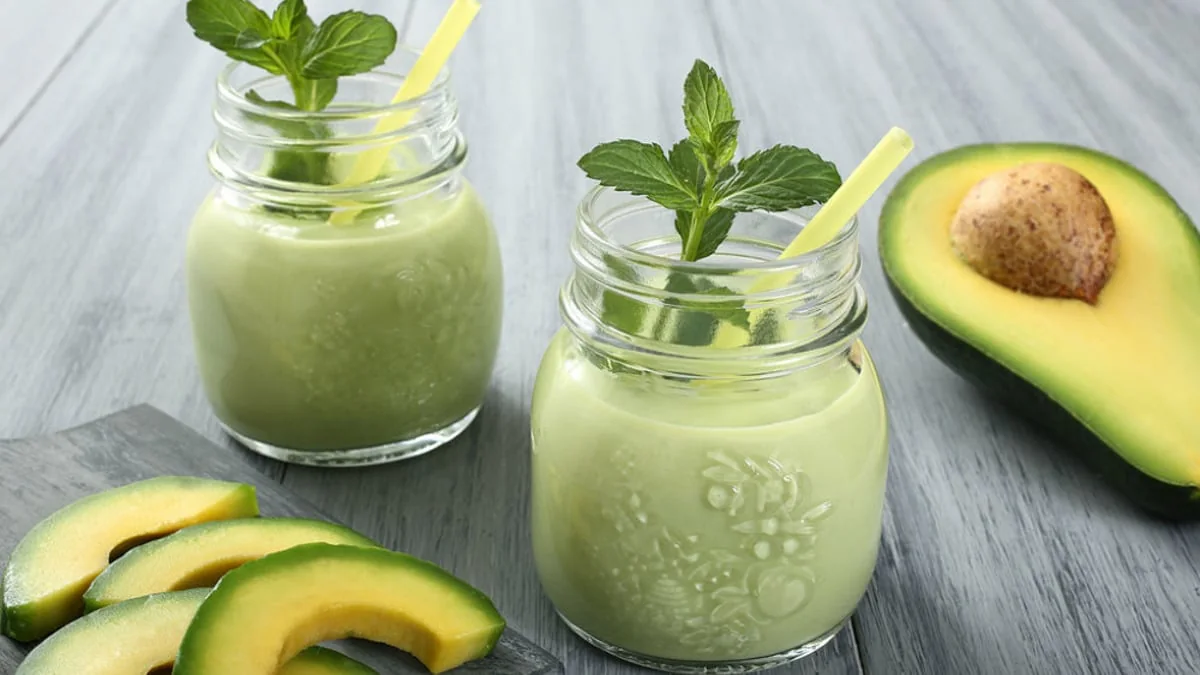
- Smoothies as a meal, not a side: in Sporty's per-serving estimates, an avocado smoothie is about 280 kcal with 8 g protein, while a protein shake is about 300 kcal with 30 g protein; real values depend on recipe and portion. Either is closer to a small meal than a drink.
Alcohol deserves its own look, since it adds 7 kcal per gram before any sugar or mixer; see calories in alcohol. For the bigger picture on sugar, read sugar: daily limits and hidden sources.
How do you track drinks without the hassle?
Most people forget drinks because they arrive between meals. Log them at the moment you drink them, the same way you log food. With Sporty you can snap a photo or say what you had, and the drink goes into your day with its calories. After a week, look at the total: if drinks are more than 10% of your intake, that is usually the simplest place to start.
If you have diabetes, kidney disease or are pregnant, ask your doctor or a registered dietitian which drinks suit you best.
Frequently asked questions
Is fruit juice as bad as soda?
It has vitamins soda lacks, but WHO counts the sugar in fruit juice as free sugar, and a 250 ml glass of orange juice has about 120 kcal and 21 g sugar. Whole fruit or a small or diluted glass is the easier choice.
Do diet drinks help with weight loss?
Swapping a regular cola for a diet one saves about 135 kcal per can. The 2025–2030 US guidelines suggest limiting low-calorie sweeteners too, so water or sparkling water is the simplest default.
How many calories are in Turkish tea?
Plain tea has almost none. Each 2.3 g sugar cube adds about 9 kcal, so five glasses with two cubes each add about 90 kcal and 23 g sugar.
How many calories are in ayran?
USDA has no ayran entry. Based on plain whole-milk yogurt at about 61 kcal per 100 g, a 200 ml ayran that is about half yogurt is roughly 60 kcal; check the label for packaged ayran.
Should I count drinks in my calorie target?
Yes. Every drink except water, plain tea and black coffee carries energy, and drinks are among the most commonly forgotten items in food logs.
Sources
- USDA FoodData Central
- WHO, Healthy diet fact sheet
- Dietary Guidelines for Americans 2025–2030
- Lara-Castor et al. 2025, Burdens of type 2 diabetes and CVD attributable to sugar-sweetened beverages in 184 countries (Nature Medicine)
- DiMeglio & Mattes 2000, Liquid versus solid carbohydrate: effects on food intake and body weight
This article is general information, not medical advice. If you have a health condition, are pregnant or under 18, talk to a doctor or registered dietitian before changing your diet.