

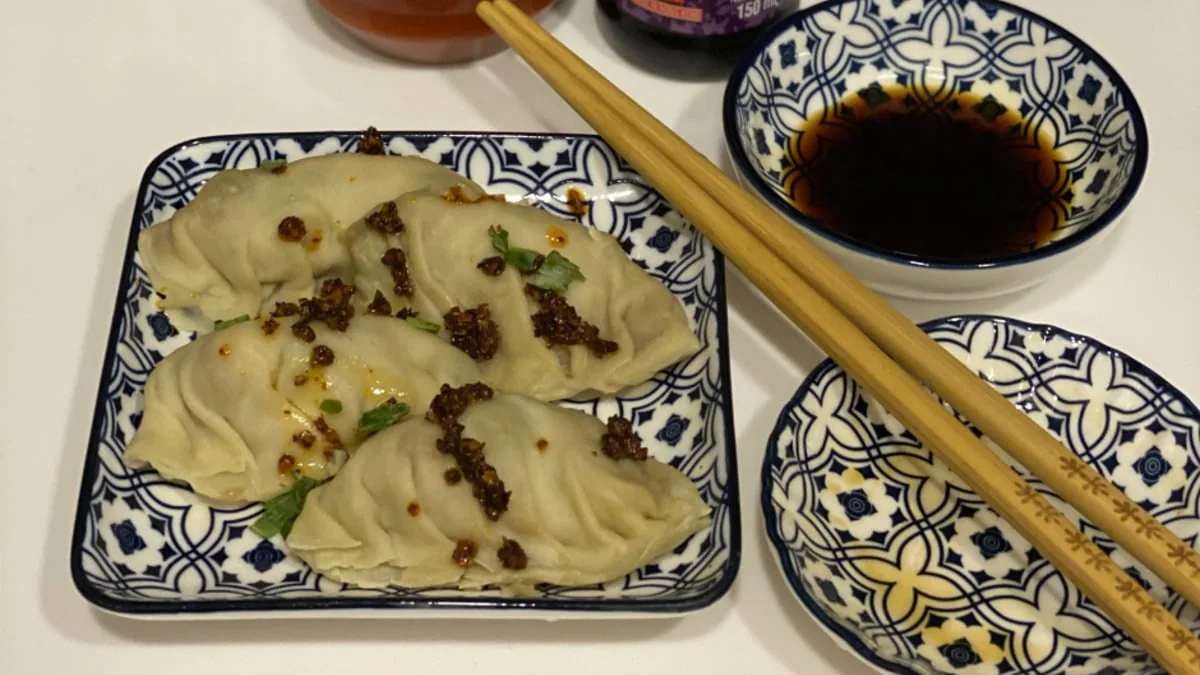
In Sporty's estimates, chicken dumplings are about 400 kcal with 24 g of protein and a tofu and vegetable stir-fry about 420 kcal with 32 g, while dan dan noodles reach about 760 kcal. Deep-frying, oily or sweet sauces and fried rice explain most of the difference. Steamed dishes, vegetable stir-fries and plain rice keep meals lighter.
Key takeaways
- Chicken dumplings are about 400 kcal with 24 g of protein; dan dan noodles about 760 kcal (Sporty estimates).
- A tofu and vegetable stir-fry gives the most protein per calorie of the Chinese-style dishes compared.
- Oil adds up fast: fat has 9 kcal per gram, and one tablespoon adds over 100 kcal.
- Swapping noodles and spring rolls for a tofu stir-fry and dumplings saves about 260 kcal and adds 18 g of protein.
- Choose steamed over crispy, sauce on the side and one starch for the table.
Can Chinese food fit into a weight-loss plan?
Yes. Chinese cooking includes plenty of steamed dishes, quick stir-fries with vegetables, tofu, fish and clear broths, and many of them are filling for a moderate number of calories. The heavier side of a typical takeaway comes from deep-fried and battered dishes, sweet sticky sauces, noodles tossed in oil and large portions of fried rice. As with most cuisines, the dish you pick and how it is cooked decide far more than the cuisine itself.
The numbers in this guide are Sporty's per-serving estimates. Real values depend on the recipe, the restaurant and the portion, so treat them as a realistic starting point rather than exact figures.
How do popular Chinese dishes compare?
Here are the Chinese and Chinese-style dishes in the Sporty catalog side by side:
| Dish | kcal | Protein | Carbs | Fat |
|---|---|---|---|---|
| Smashed Cucumber Salad | 210 | 4 g | 18 g | 15 g |
| Spring Rolls | 320 | 9 g | 38 g | 15 g |
| Chicken Dumplings | 400 | 24 g | 44 g | 14 g |
| Tofu and vegetable sauté | 420 | 32 g | 34 g | 20 g |
| Mapo Tofu with Rice | 690 | 33 g | 64 g | 34 g |
| Dan Dan Noodles | 760 | 29 g | 82 g | 36 g |
The same dishes sorted by calories, with protein per 100 kcal as a simple hint of how filling each one may be:
| Dish | Calories | Protein | Fat | Protein per 100 kcal |
|---|---|---|---|---|
| Smashed cucumber salad | 210 kcal | 4 g | 15 g | 1.9 g |
| Spring rolls | 320 kcal | 9 g | 15 g | 2.8 g |
| Chicken dumplings | 400 kcal | 24 g | 14 g | 6.0 g |
| Tofu and vegetable stir-fry | 420 kcal | 32 g | 20 g | 7.6 g |
| Mapo tofu with rice | 690 kcal | 33 g | 34 g | 4.8 g |
| Dan dan noodles | 760 kcal | 29 g | 36 g | 3.8 g |
A tofu and vegetable stir-fry gives the most protein per calorie in this list, and chicken dumplings are close behind at 24 g for 400 kcal. Mapo tofu also has a good amount of protein, but the chilli oil and the rice push it to about 690 kcal. Dan dan noodles are the richest dish here: a large bowl of noodles with sesame paste, chilli oil and minced pork comes to about 760 kcal. None of these are "off limits"; the numbers simply show where a portion or a shared bowl makes the biggest difference.
Where do the calories in Chinese food come from?
Cooking oil and deep-frying
Fat has 9 kcal per gram, against 4 kcal for protein and carbohydrate, and a single tablespoon of oil adds over 100 kcal. Stir-fries are cooked quickly in a little oil, but restaurant versions often use more, and chilli oil and sesame oil are added at the end. Battered and deep-fried dishes, such as sweet and sour pork, crispy chilli beef, spring rolls and prawn toast, absorb oil during frying. The cucumber salad above shows the effect: the vegetables are almost calorie-free, yet the dressing brings its fat to 15 g.
Sweet, thick sauces
Sweet and sour, orange, honey and hoisin-style sauces often contain a lot of sugar and are thickened with starch. The WHO advises keeping free sugars below 10% of daily energy. Saucy dishes also tend to be served over a big mound of rice, which soaks up more sauce.
Rice and noodles
Plain steamed rice adds carbohydrate but little fat. Egg-fried rice and fried noodles (chow mein, lo mein) are cooked in oil, so they are usually heavier than the same amount of plain rice or noodles in broth. Ordering both fried rice and noodles for the table is where the total grows fastest.
Salt
Soy sauce, oyster sauce, black bean sauce and stock make many dishes salty. The WHO recommends adults keep salt below 5 g a day and names soy sauce and fish sauce among common sources. Salt does not add calories, but it can leave you thirsty and slightly heavier on the scale the next morning because of water retention.
How do lighter and heavier orders compare?
Here is how some typical combinations add up, using the same catalog estimates:
| Order | Calories | Protein |
|---|---|---|
| Dan dan noodles + spring rolls | 1,080 kcal | 38 g |
| Mapo tofu with rice + smashed cucumber salad | 900 kcal | 37 g |
| Tofu and vegetable stir-fry + chicken dumplings | 820 kcal | 56 g |
| Chicken dumplings + smashed cucumber salad | 610 kcal | 28 g |
| Half a dan dan noodles + tofu and vegetable stir-fry | 800 kcal | about 46 g |
Swapping spring rolls and a big bowl of noodles for a tofu stir-fry and steamed dumplings saves about 260 kcal and adds 18 g of protein. Sharing a rich dish rather than having a whole one each is another easy lever: half a bowl of dan dan noodles with a protein-rich stir-fry gives you the flavour you wanted with a more balanced plate.
What are smart picks on a Chinese menu?
- Starters. Hot and sour soup, wonton soup or steamed dumplings instead of spring rolls, prawn crackers or prawn toast. If you love a fried starter, share it.
- Mains. Stir-fries with chicken, beef, prawns or tofu and plenty of vegetables (chicken with broccoli, beef with peppers, prawns with mangetout) are usually lighter than battered dishes in sweet sauces.
- Steamed and braised. Steamed fish with ginger and spring onion, steamed dim sum and clay-pot dishes are often lighter than anything described as crispy.
- Sauces. Ask for the sauce on the side or choose garlic, ginger or black bean sauces over sweet and sour or orange sauces.
- Rice and noodles. Choose plain steamed rice over egg-fried rice, pick one starch for the table, and keep noodle portions shared.
- Vegetables. Add a plate of stir-fried greens such as pak choi or Chinese broccoli. They add volume for few calories.
Logging several shared dishes is easier with a photo: Sporty can estimate a plate from a picture, and you can adjust the portion afterwards. For more ordering ideas across cuisines, see the Asian takeaway guide.
Does one takeaway night ruin a calorie deficit?
No. Weight change follows your intake over weeks, not one dinner. A heavier meal uses part of your weekly deficit and may slow progress a little, and salty food can make the scale jump the next morning because of water, not fat. There is no need to compensate by eating very little the next day: going below about 1,200 kcal a day for women or 1,500 kcal for men should only happen under medical supervision. The CDC notes that people who lose weight gradually, about 0.5 to 1 kg (1 to 2 lb) a week, are more likely to keep it off.
This article is general information, not medical advice. If you have high blood pressure, kidney disease or diabetes, are pregnant, under 18 or have a history of disordered eating, talk to a doctor or registered dietitian about what suits you.
Frequently asked questions
What is the healthiest thing to order at a Chinese restaurant?
Steamed fish or dumplings, stir-fries with lean protein and vegetables, broth-based soups and plain steamed rice are usually lighter. Battered dishes in sweet sauces and fried rice are the heaviest.
How many calories are in dumplings?
Sporty estimates a serving of chicken dumplings at about 400 kcal with 24 g of protein. Steamed dumplings are lighter than pan-fried or deep-fried ones, and dipping sauces add a little more.
Is fried rice or plain rice better for weight loss?
Plain steamed rice is usually lighter, because egg-fried rice is cooked in oil. Portion size matters too, so one shared starch for the table helps.
Is Chinese food high in salt?
It can be. Soy, oyster and black bean sauces are salty, and the WHO recommends adults keep salt below 5 g a day. Ask for sauces on the side and drink water with the meal.
Was this article helpful?
No ratings yet — be the first.
Tap a star to rate it — your rating helps us improve and helps other readers.
Sources
This article is general information, not medical advice. If you have a health condition, are pregnant or under 18, talk to a doctor or registered dietitian before changing your diet.