

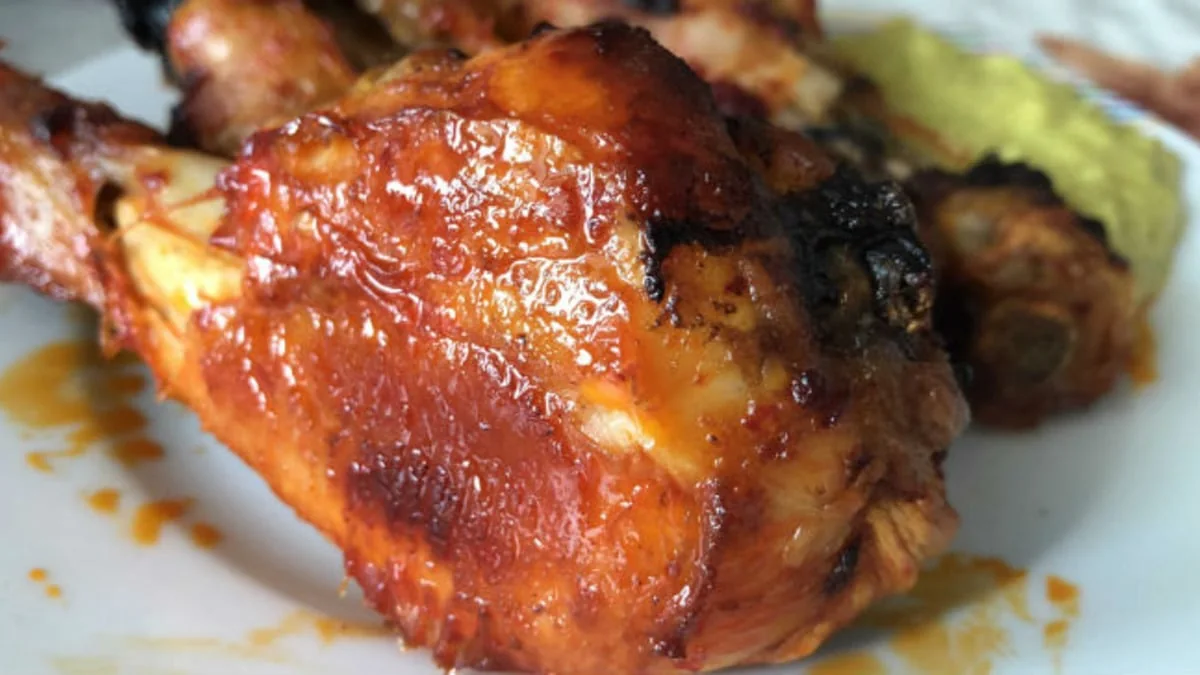
You can eat the same dinner as your family and still lose weight by changing your plate, not the pot. Fill half with vegetables, a quarter with protein and keep the starch modest. Roast chicken with vegetables is about 480 kcal and baked sea bream about 400 kcal per serving, leaving room for a salad side.
Key takeaways
- Cook one meal and build different plates: more vegetables and protein for you, extra pilaf or bread for others.
- The NHS Eatwell Guide puts fruit and vegetables and starchy foods at just over a third of the diet each.
- Seven family dinners in Sporty's catalog range from 380 to 620 kcal per serving before sides.
- Measuring oil matters more than avoiding dishes, because fat has 9 kcal per gram.
- Children should not follow an adult calorie target; give them balanced meals sized to their appetite.
Can you lose weight while eating the same dinner as your family?
Yes, and for most people it is the only approach that lasts. Cooking a separate "diet" meal every evening is tiring, and it can turn dinner into something you do apart from everyone else. The good news is that many home-cooked dinners already fit a calorie goal. The difference usually lies in how the plate is put together, not in what goes into the pot.
The idea is simple: one meal, different plates. Everyone eats the same main dish. You build your plate around protein and vegetables, while family members with higher energy needs, such as active teenagers, add more bread, rice or pilaf. The CDC also suggests bringing the family together to make healthier changes for everyone at home, so the whole table benefits.
What should a balanced family plate look like?
The NHS Eatwell Guide gives a simple picture of a balanced diet that applies to most people, whether or not they are a healthy weight:
- Fruit and vegetables: just over a third of what you eat. WHO recommends at least 400 g of fruit and vegetables a day for everyone older than 10.
- Starchy foods such as bread, rice, bulgur, pasta and potatoes: just over a third, ideally wholegrain.
- Protein foods: beans, pulses, fish, eggs and meat, with at least 2 portions of fish a week, 1 of them oily, such as salmon, sardines or mackerel.
- Dairy or alternatives, such as yogurt or ayran, plus small amounts of oils.
When you are in a calorie deficit, you can tilt your own plate slightly: fill half of it with vegetables or salad, a quarter with protein and keep the starch portion modest. Children over 2 can eat the same foods as the rest of the family in the Eatwell proportions; children under 2 have different needs.
A week of family dinners and their calories
Here are seven dinners that work for the whole table, with an idea for your plate and for others who need more. Figures are Sporty's per-serving estimates; real values depend on recipe and portion.
| Day | Main dish | kcal | Protein | Your plate | For bigger appetites |
|---|---|---|---|---|---|
| Mon | Roast chicken with vegetables | 480 | 46 g | + shepherd's salad (160) | + bulgur pilaf (290) |
| Tue | White bean stew with beef | 450 | 28 g | + cacık (120) | + bulgur pilaf or bread |
| Wed | Baked sea bream | 400 | 42 g | + green beans in olive oil (210) | + bread or potatoes |
| Thu | Chicken fajitas | 460 | 38 g | Extra peppers, salsa | An extra tortilla |
| Fri | Stuffed peppers | 380 | 18 g | + cacık (120) | + lentil soup (250) |
| Sat | Baked salmon and sweet potato | 540 | 44 g | + shepherd's salad (160) | Larger sweet potato portion |
| Sun | Spaghetti bolognese | 620 | 32 g | Smaller pasta portion, big salad | Full portion |
Your dinners in this plan range from about 450 to 700 kcal including sides. On an 1,800 kcal day, that leaves around 1,100 to 1,350 kcal for breakfast, lunch and snacks. Salmon on Saturday and sea bream on Wednesday cover the two fish portions a week in the Eatwell Guide, one of them oily.
Turkish home cooking is especially good for this approach. Dishes like etli kuru fasulye, güveç, stuffed peppers and zeytinyağlı vegetables are cooked in one pot and served with pilaf, bread and salad on the side, so each person can build their own plate.
How to make one family meal fit your goal
Serve from the stove, not the table
Plating in the kitchen makes portions deliberate. Put your vegetables and protein on first, then add a measured amount of pilaf or pasta. A large pot in the middle of the table makes "just a little more" easy. Our guide to portion sizes without a scale shows how to judge amounts with your hand or a bowl.
Watch the oil, not the dish
Fat has 9 kcal per gram, more than double protein and carbohydrates at 4 kcal per gram, so oil and butter are the most calorie-dense ingredients in the pan. Measure oil with a spoon instead of pouring, and keep butter on the side for those who want it, for example on İskender-style dishes at home.
Always add a salad or vegetable side
A big shepherd's salad (about 160 kcal) or a bowl of cacık (about 120 kcal) adds volume and helps you reach the 400 g of fruit and vegetables WHO recommends, without much extra energy.
Plan the week ahead
The CDC suggests planning meals ahead of time. Picking dinners on the weekend and shopping once cuts last-minute takeaways. Our weekly meal prep plan shows how to cook some parts in advance.
Make the favourites work
Pasta night does not have to go. A portion of spaghetti bolognese is about 620 kcal; a smaller pasta portion with a large salad keeps the dish on your plate and still lets everyone enjoy it.
Turn leftovers into tomorrow's lunch
Many one-pot family dishes, such as bean stew, güveç or roast chicken with vegetables, keep well in the fridge. Before the pot goes back on the table, set aside one portion in a lunch box for the next day. You get a lunch you already know the calories of, and nobody is tempted to finish the pot "so it does not go to waste".
How do you log a family dinner?
Home-cooked meals are harder to log than packaged food, because the recipe is yours and the portion varies. Taking a photo of your plate in Sporty gives a calorie and macro estimate you can adjust, and our guide to logging home-cooked meals explains how to handle shared pots and leftovers.
What about children?
Children and teenagers are growing and have their own energy needs, so they should not follow an adult's calorie target. Give them the same balanced family meals in portions that match their appetite. If you are worried about a child's weight or growth, talk to a doctor or registered dietitian rather than restricting their food at home. The same applies if anyone in the family is pregnant, has kidney disease or another medical condition, or has a history of eating disorders.
For your own plan, aim for a gradual pace of about 0.5–1 kg (1–2 lb) a week, which the CDC says is more likely to last, and do not go below about 1,200 kcal a day for women or 1,500 kcal for men without medical supervision.
Frequently asked questions
How can I diet without cooking separate meals?
Cook one main dish for everyone and change only your plate: more vegetables or salad, a good portion of protein and a smaller serving of rice, pilaf or bread. Others can add more starch to suit their needs.
How many calories should dinner be when losing weight?
There is no fixed number. In the example plan, dinners with sides are about 450 to 700 kcal, which leaves around 1,100 to 1,350 kcal for the rest of an 1,800 kcal day.
Which Turkish dinners are lower in calories?
In Sporty's catalog, baked sea bream is about 400 kcal, stuffed peppers 380 kcal and white bean stew with beef 450 kcal per serving. Adding a shepherd's salad or cacık keeps the meal under about 600 kcal.
Should my children eat less if I am dieting?
No. Children are growing and should eat balanced family meals in portions that match their appetite. If you are worried about a child's weight, talk to a doctor or registered dietitian.
Sources
This article is general information, not medical advice. If you have a health condition, are pregnant or under 18, talk to a doctor or registered dietitian before changing your diet.