
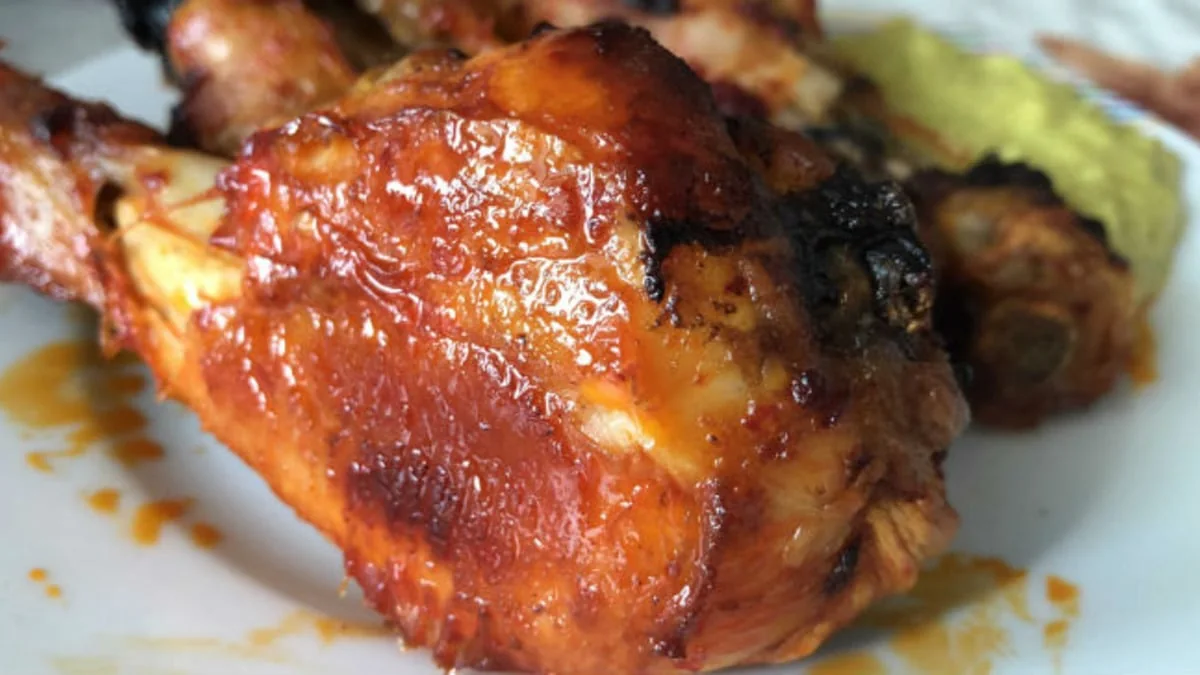
To log a home-cooked dish, add up the raw ingredients for the whole pot, including the oil, then divide by the number of portions or by the cooked weight. For a single plate, photograph it before eating, check the ingredient list and correct the portion. Consistent logging matters more than perfect precision.
Key takeaways
- Use a photo or a description for everyday plates, and recipe maths for pots you cook often.
- Weigh ingredients raw and measure the oil; one tablespoon of olive oil is about 120 kcal.
- Weigh the finished dish once to get calories per gram, then weigh only your own portion.
- Never mix raw and cooked weights: 60 g of dry rice is not 60 g of cooked rice.
- A rough number logged every day beats a perfect one you skip.
Why are home-cooked meals harder to log?
A packaged food comes with a label. A home-cooked stew does not. Every kitchen uses its own recipe, the amount of oil changes from day to day, and a family pot is shared between people who eat very different portions. On top of that, cooking changes the weight of food: meat loses water, while rice and pasta absorb it. None of this makes home cooking hard to track, but it does mean you need a method rather than a guess.
The good news is that you do not need the same level of detail for every meal. A quick photo is fine for a simple plate; a pot you cook every week is worth working out properly once. This guide covers both.
What are the main ways to log a home-cooked meal?
| Method | Best for | Effort | Watch out for |
|---|---|---|---|
| Photo of your plate | Everyday plates with visible parts, such as roast chicken with vegetables | Low | Hidden oil, sauces and portion depth |
| Voice or text description | Meals already eaten, or when you know the recipe | Low | Being specific about amounts and oil |
| Recipe maths | Stews, casseroles, soups and bakes you cook often | Higher, but only once per recipe | Raw versus cooked weights |
For a photo, take it before you start eating, at about 45 degrees with the whole plate in view, as our guide to AI photo calorie counting explains. In Sporty, a photo result lists the ingredients it identified and lets you edit them and the portion before you save, so you can add the oil or butter the camera could not see. For a description, more detail gives a better estimate: "a bowl of chili with beef and kidney beans, cooked with two tablespoons of oil, about a quarter of the pot" is far more useful than "chili".
How do you work out the calories for a whole pot?
For dishes you make again and again, a few minutes with a kitchen scale pays off for months.
- Weigh the raw ingredients. Nutrition labels and databases such as USDA FoodData Central usually give values for raw or dry food, so weigh meat, rice, pasta and pulses before cooking. Write each amount down.
- Measure the oil and butter. Use a spoon instead of pouring from the bottle. One tablespoon of olive oil is about 120 kcal (USDA FoodData Central), so this is often the single biggest number in the recipe.
- Add everything up. Look up each ingredient on its label or in a food database, and total the calories for the whole pot. Our guide to reading a nutrition label helps with the per-100 g columns.
- Decide how to divide it. Either split the pot into equal portions, or weigh the finished dish and work out the calories per gram.
- Weigh or count your serving. Use the per-portion or per-gram value for what is actually on your plate.
A worked example with illustrative numbers: say your chili ingredients add up to 2,400 kcal for the whole pot. You weigh the empty pot first, then weigh it again when the chili is done, and the food itself comes to 2,000 g. That is 2,400 ÷ 2,000 = 1.2 kcal per gram, so a 350 g bowl is about 420 kcal. If you prefer to divide by portions, six equal servings are 400 kcal each. Notice too that four tablespoons of oil would be about 480 kcal, a fifth of that whole pot, which shows why measuring it matters.
How do you divide a family pot fairly?
Equal portions rarely reflect how a family eats. Children take less, someone else goes back for seconds, and some of the pot becomes tomorrow's lunch. That is why the per-gram method is so useful at home: once you know the calories per gram of the finished dish, it does not matter how the rest of the pot is shared.
- Weigh the finished dish once. Subtract the weight of the empty pot or tray, which you can note down once and reuse.
- Weigh your own bowl. Put your empty bowl on the scale, set it to zero and serve yourself.
- Use the same bowl and ladle. If weighing every time feels like too much, weigh one ladle of your usual stew once, then count ladles. Our guide to portion sizes without a scale explains how to calibrate bowls and ladles.
- Use fractions for trays and bakes. If you cut a tray of lasagna into eight pieces and eat one, log one eighth of the total.
- Reuse the number for leftovers. Tomorrow's portion uses the same per-gram value; just weigh it again.
What if you do not want to weigh anything?
That is a perfectly reasonable choice. A close reference dish, adjusted for your portion and the oil you used, gives a workable estimate. These are Sporty's per-serving estimates for common family dishes; real values depend on recipe and portion:
| Dish | kcal | Protein (g) | Fat (g) |
|---|---|---|---|
| Roast chicken with vegetables | 480 | 46 | 24 |
| Chili con carne | 480 | 34 | 20 |
| Eggplant moussaka | 480 | 22 | 33 |
| White bean stew with beef | 450 | 28 | 15 |
| Chicken tikka masala | 580 | 42 | 22 |
| Lasagna | 620 | 32 | 30 |
| Spaghetti bolognese | 620 | 32 | 20 |
Use them as a starting point. If your lasagna portion is twice the size of a standard square, log two servings. If your chicken tikka masala uses a lot more cream than usual, add it. A rough number you log every day is more useful than a perfect one you skip.
What are the most common logging mistakes at home?
- Forgetting the cooking fat. Oil, butter and ghee are easy to miss and add up fast.
- Mixing raw and cooked weights. 60 g of dry rice and 60 g of cooked rice are very different amounts. Use raw values with raw weights and cooked values with cooked weights.
- Leaving out the extras. Bread on the side, a spoon of yogurt, grated cheese, sauces and drinks belong in the log too.
- Not logging seconds. Going back to the pot is normal; just add the second portion.
- Tasting while cooking. Usually small, but regular nibbling while preparing food can matter.
- Chicken skin and fatty cuts. Note whether you ate the skin, and which cut of meat you used.
How precise do you need to be?
Less than you might think. Body weight responds to trends over weeks, so small random errors in single meals tend to even out, while repeated ones, such as always leaving out the oil, do not. Weigh the calorie-dense parts, work out your favourite recipes once and estimate the rest.
Tracking should make eating easier to understand, not more stressful. If weighing food or logging every meal makes you anxious, take a step back. If you have a history of disordered eating, are pregnant, are under 18 or have a medical condition, talk to a doctor or registered dietitian before tracking closely.
Frequently asked questions
Should I weigh food raw or cooked?
Either works as long as you match it with the right values. Most labels and database entries are for raw or dry food, so weighing raw ingredients for a recipe is usually simplest.
How do I log a portion from a shared family pot?
Weigh the finished dish once to work out the calories per gram, then weigh your own bowl. If you prefer not to weigh, log the fraction of the pot or tray you ate.
How do I log leftovers?
Use the same calories-per-gram value as the original dish and weigh the leftover portion you eat. If you split the pot into equal portions, log one portion.
Is a photo good enough for home-cooked food?
For simple plates with visible parts, usually yes, as long as you check the ingredients and add any oil or butter. For stews and bakes you cook often, working out the recipe once gives a more reliable number.
Sources
This article is general information, not medical advice. If you have a health condition, are pregnant or under 18, talk to a doctor or registered dietitian before changing your diet.