

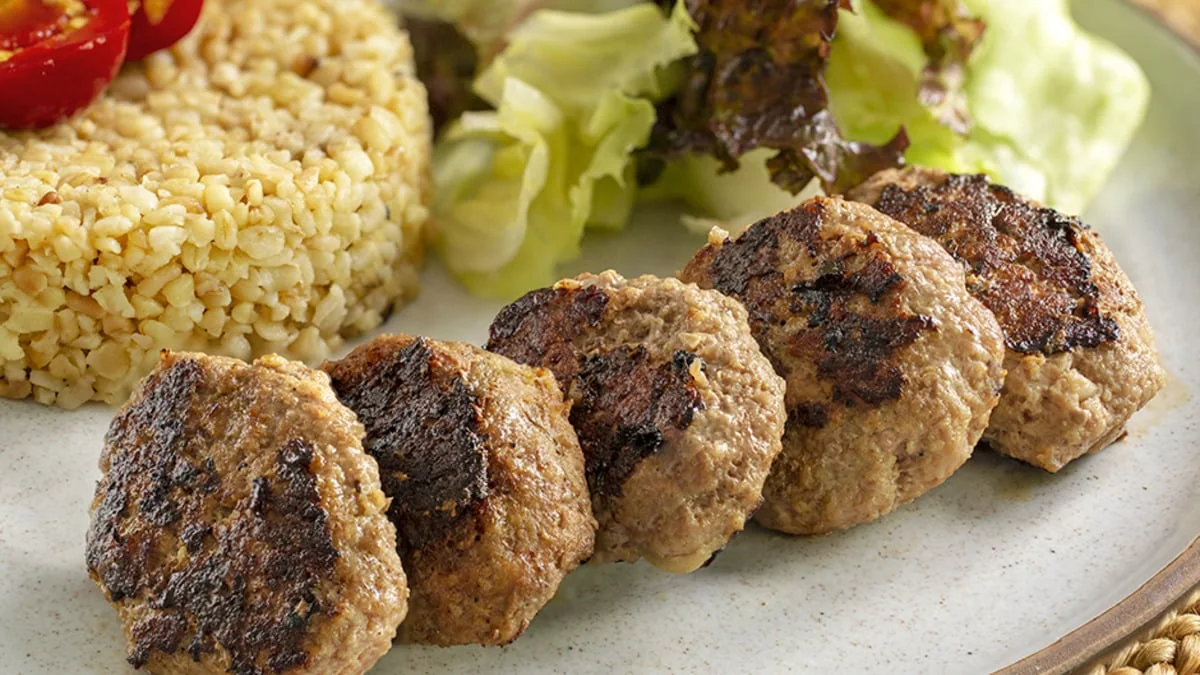
Walk the whole buffet first, fill half your plate with vegetables, add a lean protein, choose one starch and take your favourite dishes on purpose. In Sporty's estimates, a built plate of salad, chicken shish and bulgur is about 685 kcal, against about 1,280 kcal for a bit of everything, with the same protein.
Key takeaways
- Look at the whole buffet before picking up a plate and choose two or three dishes you really want.
- A built plate (salad, chicken shish, half a serving of bulgur) is about 685 kcal; a bit of everything about 1,280 kcal, with similar protein (Sporty estimates).
- At breakfast, an omelette with yogurt and fruit is about 530 kcal against about 1,045 kcal for pastries.
- Drinks and dessert can add as much as a plate; choose one dessert and default to water.
- On holiday, treat buffets like normal meals and relax at one meal a day.
Why is it so easy to overeat at a buffet?
A buffet removes most of the cues that normally end a meal. There is no fixed portion, the variety keeps your interest high, and the food is always a few steps away. Many people also feel they should "get their money's worth", or they try a spoonful of everything and end up with several meals' worth of food on one plate. None of this is a lack of willpower; it is how buffets are designed.
The good news is that a buffet also gives you more choice than almost any restaurant. With a simple plan, you can build a plate that is satisfying, high in protein and full of vegetables, and still enjoy the dishes you came for.
How big is the difference between two buffet plates?
Here is a worked example using Sporty's per-serving estimates from our meal catalog. Buffet spoonfuls are often smaller than a full serving, so some items are counted as half portions. Real values depend on the recipe and how much you take.
| Plate | What is on it | Calories | Protein |
|---|---|---|---|
| A bit of everything | Half a serving each of mac and cheese, lasagna and margherita pizza, plus crispy cheese rolls | about 1,280 kcal | about 53 g |
| Built plate | Shepherd's salad, chicken shish kebab and half a serving of bulgur pilaf | about 685 kcal | about 53 g |
| Dish | kcal | Protein | Carbs | Fat |
|---|---|---|---|---|
| Shepherd's Salad | 160 | 3 g | 14 g | 11 g |
| Chicken Shish Kebab | 380 | 46 g | 8 g | 18 g |
| Bulgur Pilaf | 290 | 8 g | 50 g | 7 g |
| Lasagna | 620 | 32 g | 52 g | 30 g |
| Mac and Cheese | 620 | 24 g | 64 g | 29 g |
Both plates have the same protein, but the built plate has about 600 kcal less. The difference does not come from avoiding "bad" food; it comes from starting with vegetables and a lean protein, and then choosing a starch rather than taking four rich dishes at once. A chicken shish kebab alone brings 46 g of protein for about 380 kcal, and a shepherd's salad adds volume for about 160 kcal.
What about the hotel breakfast buffet?
Breakfast buffets follow the same pattern, especially on holiday when you visit them every morning.
| Plate | What is on it | Calories | Protein |
|---|---|---|---|
| Pastry-led | Pancakes, crispy cheese rolls and half a waffle | about 1,045 kcal | about 32 g |
| Egg-and-yogurt plate | Spinach omelette and yogurt with fruit | about 530 kcal | about 37 g |
The egg-and-yogurt plate has more protein for about half the calories, and you can still add a piece of bread, olives, tomatoes and cucumber, or a small pastry on the side.
What is a simple buffet strategy?
The general advice for everyday eating works at a buffet too. The WHO recommends at least 400 g of fruit and vegetables a day, and the NHS suggests that starchy foods make up just over a third of what you eat, choosing wholegrain versions where you can. A buffet makes both easy if you plan the plate:
- Walk the whole buffet first. Look at everything before you pick up a plate, and decide which two or three dishes you really want.
- Start with vegetables. Fill about half the plate with salad, grilled or roasted vegetables, or a broth-based soup.
- Add a protein. Grilled chicken, fish, eggs, lean meat, beans or lentils make the meal filling.
- Choose one starch. Rice, bulgur, potatoes, pasta or bread: one generous spoonful rather than three.
- Take your treats on purpose. The dishes you came for belong on the plate. Give them a modest portion and eat them slowly.
- Pause before seconds. Sit down, eat at a relaxed pace and wait a while before going back. If you are still hungry, go back for vegetables and protein first.
- Sit facing away from the buffet, if you can. Out of sight helps.
Which buffet stations make the easiest choices?
- Grill and carving station: grilled chicken, fish, kebabs and lean roast meat are usually the best protein picks. Go easy on creamy sauces poured over them.
- Salad bar: load up on leaves and raw vegetables, and add the dressing yourself. Ready-mixed salads with mayonnaise, pasta or lots of oil are richer than they look.
- Mezze and dips: in our catalog, cacık is about 120 kcal, baba ganoush about 180 kcal and hummus with raw vegetables about 260 kcal per serving. Pair them with vegetables rather than a basket of bread.
- Soup station: broth- or lentil-based soups are filling starters; cream soups are richer.
- Pasta, pizza and fried food: enjoy them as your chosen treat, in one modest portion.
How do you handle dessert and drinks?
Dessert tables are often the hardest part. Choose one dessert you really want instead of a sample of each, or share a few small pieces at the table. Fresh fruit next to a small sweet is a good compromise.
Drinks can add as much as a plate of food: juice, soft drinks, cocktails, beer and wine are easy to refill at all-inclusive buffets. Water, sparkling water, unsweetened tea and coffee are the easiest defaults. Our guide to liquid calories shows where the hidden calories in drinks come from.
What if you eat at buffets every day on holiday?
A single buffet meal does not matter much; ten days of all-inclusive buffets can. Treat holiday buffets like your normal meals: a balanced plate at most meals, and one meal or dessert each day where you relax more. Walking, swimming and sightseeing help you stay active. The CDC notes that people who lose weight gradually, about 0.5 to 1 kg (1 to 2 lb) a week, are more likely to keep it off, so one indulgent week is a pause rather than a setback. For more on this, see our guide to eating well while travelling and our restaurant guide.
How can you notice when you have had enough?
Eating slowly, putting your fork down between bites and checking in halfway through the plate help you notice fullness before you feel uncomfortable. Our article on mindful eating has practical ways to do this. If you do overeat, nothing is ruined: go back to your usual meals the next day without skipping meals.
If you want to log a buffet plate quickly, Sporty can estimate it from a single photo, which is easier than listing every spoonful.
Who should get personal advice?
This is general information, not medical advice. If you have diabetes, food allergies, kidney disease or another medical condition, are pregnant, or have a history of eating disorders, talk to a doctor or registered dietitian about eating out and buffets.
Frequently asked questions
What should I eat first at a buffet?
Start with vegetables, such as salad, grilled vegetables or a broth-based soup, then add a lean protein. This fills the plate with volume before the richer dishes.
How many plates should I have at a buffet?
There is no fixed rule. A full, balanced first plate followed by a pause usually works well; if you are still hungry, go back for vegetables and protein first.
How many calories is a typical buffet plate?
It varies widely. In Sporty's estimates, a plate of salad, chicken shish and some bulgur is about 685 kcal, while a plate with several rich pasta, pizza and pastry dishes can be about 1,280 kcal.
Should I skip meals before a buffet?
It is usually better not to. Arriving very hungry makes it harder to eat slowly and notice fullness.
Was this article helpful?
No ratings yet — be the first.
Tap a star to rate it — your rating helps us improve and helps other readers.
Sources
This article is general information, not medical advice. If you have a health condition, are pregnant or under 18, talk to a doctor or registered dietitian before changing your diet.