

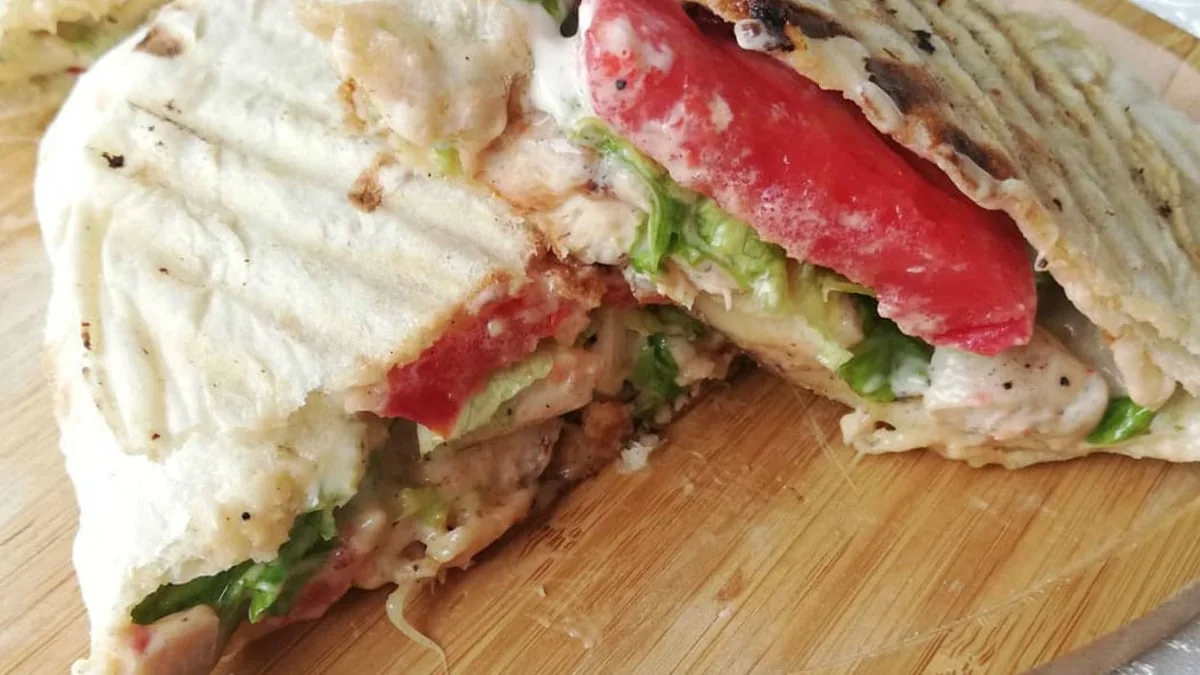
On a trip, aim to maintain rather than lose. Eating 500 kcal a day over your needs for a week adds about 3,500 kcal, roughly half a kilo of fat; most of the post-trip jump is water. Choose protein-based travel meals, build one balanced buffet plate, pick your food highlights and watch drinks.
Key takeaways
- Maintaining weight on holiday is a realistic and worthwhile goal.
- A week at 500 kcal a day over maintenance is about 3,500 kcal, close to half a kilo of fat by the rough 7,700 kcal rule.
- A chicken wrap (480 kcal, 34 g protein) or Caesar salad (480 kcal, 38 g) is a solid travel-day meal (Sporty estimates).
- Egg-based buffet breakfasts give about twice the protein of pancakes or waffles for similar calories.
- Back home, return to your routine at the next meal; no crash diet.
Should you try to lose weight on holiday?
For most people, the most useful goal on a trip is to maintain, not to lose. Holidays are for local food, long dinners and a break from routine. Trying to stay in a strict deficit usually leads to stress and an all-or-nothing swing. Aiming to stay roughly at maintenance lets you enjoy the trip and come home to the same place you left, which is a real success.
It also helps to know how small the damage of a relaxed week usually is. Using the rough rule that 1 kg of body fat holds about 7,700 kcal (an approximation), eating 500 kcal a day above your needs for seven days adds about 3,500 kcal, close to half a kilo of fat. The bigger jump many people see on the scale after a trip is mostly water from salty food, extra carbohydrate and travel itself, and it tends to settle within a week or so of normal eating. The guide on water weight versus fat loss explains why.
What should you eat at airports, stations and on the road?
Travel days are where the least planned eating happens: long waits, few options and snacks bought because they are there. A simple rule is to look for a meal with a clear protein source and some vegetables rather than grazing on pastries and crisps. Here are common grab-and-go options using Sporty's per-serving estimates; real values depend on the recipe and portion:
| Option | Calories | Protein |
|---|---|---|
| Protein bar (homemade style) | 220 kcal | 10 g |
| Yogurt and fruit | 230 kcal | 16 g |
| Hummus and raw vegetables | 260 kcal | 11 g |
| Protein wrap | 450 kcal | 36 g |
| Chicken wrap | 480 kcal | 34 g |
| Chicken Caesar salad | 480 kcal | 38 g |
| Club sandwich | 560 kcal | 34 g |
| Hamburger | 640 kcal | 34 g |
A chicken wrap or a chicken Caesar salad gives a full meal of protein for under 500 kcal, while yogurt with fruit or hummus with vegetables covers a long wait. Packing a few snacks from home, such as fruit, nuts or a yogurt, means you are not relying on whatever the gate sells.
How do you handle a hotel breakfast buffet?
Buffets are not a problem in themselves; the challenge is that everything looks good and it is all already paid for. Plates built around eggs, yogurt, vegetables and fruit tend to keep you full until lunch, which matters when you are walking a lot. Some typical breakfast plates compared:
| Breakfast | Calories | Protein |
|---|---|---|
| Cottage cheese, walnut and fruit bowl | 280 kcal | 26 g |
| Vegetable omelette | 320 kcal | 22 g |
| Oats, yogurt and fruit | 390 kcal | 22 g |
| Avocado toast with poached eggs | 410 kcal | 22 g |
| Waffles | 430 kcal | 11 g |
| Pancakes | 450 kcal | 13 g |
| Menemen and white cheese | 460 kcal | 28 g |
Pancakes and waffles land at similar calories to an egg breakfast but with about half the protein, so they tend to leave you hungry sooner. That does not make them off limits; having them on one or two mornings and an egg-based plate on the others is a balanced approach. A practical buffet habit: walk the whole buffet once before picking anything, then fill one plate and sit down.
How can you enjoy local food without overdoing it?
Trying the local food is part of travelling, and nobody needs to skip it. A few habits keep it enjoyable:
- Pick your highlights. Decide which dishes or restaurants matter most to you and enjoy them fully, rather than eating everything on offer at every meal.
- Keep one meal simple. If dinner is the big event, a light lunch of grilled fish, salad or a soup balances the day.
- Share starters and desserts. You get the taste with a smaller portion.
- Eat when you are hungry. Holiday schedules shift; you do not have to eat three full meals and snacks simply because they are available.
The same logic as a big weekend applies: your average across the trip matters far more than any single meal.
What about drinks on holiday?
Drinks are often the largest hidden source of calories on a trip. Alcohol provides 7 kcal per gram, and cocktails, sweet mixers and fruit juices add sugar on top; the WHO advises keeping free sugars below 10% of daily energy. Alternating alcoholic drinks with water, choosing simpler drinks and skipping the ones you do not really enjoy are easy wins. The guide on calories in beer, wine and rakı has the numbers. In hot weather, drink enough water through the day as well.
Does walking on holiday make a difference?
Often more than people expect. City trips can involve far more walking than a normal working day, and that extra movement offsets part of the extra food. Walking tours, taking stairs and exploring on foot are easy ways to stay active without a gym. The article on daily steps explains what step counts can and cannot do.
Should you track food while travelling?
That depends on what helps you. Some people like a full break; others find loose tracking keeps them aware without spoiling the trip. A quick photo of each meal is a good middle ground: Sporty can estimate a plate from a picture, so you do not need to weigh or search for unfamiliar dishes. Even if you do not look at the numbers until you are home, the record shows where your trip went.
How do you get back on track afterwards?
- Go straight back to your normal routine with your next regular meal, not on "Monday".
- Do not crash diet. Eating very little to undo the trip tends to backfire; going below about 1,200 kcal a day for women or 1,500 kcal for men should only happen under medical supervision.
- Give the scale a week. Much of the post-trip gain is water and usually settles with normal eating.
- Restart one anchor habit, such as your usual breakfast or daily walk, and build from there.
This article is general information, not medical advice. If you are pregnant, under 18, have a medical condition or a history of disordered eating, talk to a doctor or registered dietitian about what suits you.
Frequently asked questions
How much weight do you gain on a one-week holiday?
Usually less fat than the scale suggests. Eating 500 kcal a day over your needs for a week adds roughly half a kilo of fat; the rest of a post-trip jump is mostly water that settles with normal eating.
What is a healthy airport meal?
Look for a clear protein source with some vegetables, such as a chicken wrap or a chicken salad, both around 480 kcal in Sporty's catalog. Yogurt with fruit or hummus with vegetables work as snacks.
How do I avoid overeating at a hotel buffet?
Walk the whole buffet before choosing, fill one plate built around eggs, yogurt, vegetables or fruit, and sit down to eat. Enjoy sweeter options on some mornings rather than every day.
Should I diet after a holiday?
Just return to your usual routine at the next meal. Very low intakes tend to backfire, and going below about 1,200 kcal (women) or 1,500 kcal (men) should only happen under medical supervision.
Was this article helpful?
No ratings yet — be the first.
Tap a star to rate it — your rating helps us improve and helps other readers.
Sources
This article is general information, not medical advice. If you have a health condition, are pregnant or under 18, talk to a doctor or registered dietitian before changing your diet.