

Artificial sweeteners are considered safe within authorised limits; for aspartame the acceptable daily intake is 40 mg per kg of body weight. But they are not a weight-loss tool: in 2023 the WHO advised against using them for weight control, because its review found no long-term benefit for body fat. Water and less sweetness work better.
Key takeaways
- Sweeteners are authorised food additives in the EU and are listed by name or E number.
- IARC classed aspartame as possibly carcinogenic (Group 2B), while JECFA kept its 40 mg/kg daily limit.
- The WHO conditionally recommends against using sweeteners for weight control; this does not apply to people with diabetes.
- A diet drink saves the sugar calories of a regular one, but water and unsweetened drinks are the better default.
- Gradually reducing sweetness and using fruit are practical alternatives.
What counts as an artificial sweetener?
Artificial sweeteners, which the WHO calls non-sugar sweeteners, are substances that taste sweet but provide little or no energy. The WHO's definition covers both synthetic and naturally derived options, including acesulfame K, aspartame, advantame, cyclamates, neotame, saccharin, sucralose, stevia and stevia derivatives. You will find them in diet soft drinks, "light" yogurts, chewing gum, protein bars and tabletop sachets.
Sugar alcohols, also called polyols, are a separate group. Erythritol, xylitol and sorbitol are sweet, but they contain calories, so the WHO does not classify them as non-sugar sweeteners.
In the EU, sweeteners are food additives. Each one must be assessed for safety and authorised before it can be used, and it must appear on the label by name or E number. EFSA, the European Food Safety Authority, is re-evaluating every sweetener that was permitted before 2009. Here is where some of the best-known ones stand:
| Sweetener | E number | Latest EFSA re-evaluation |
|---|---|---|
| Aspartame | E 951 | 2013 |
| Erythritol (a polyol) | E 968 | 2023 |
| Saccharins | E 954 | 2024 |
| Acesulfame K | E 950 | 2025 |
| Neotame | E 961 | 2025 |
| Sucralose | E 955 | 2026 |
Our guide on how to read a nutrition label shows where to find these names and numbers on a pack.
Are artificial sweeteners safe?
Within authorised uses, food safety agencies consider them safe. For sucralose, for example, EFSA's 2026 review found it safe as currently authorised, while saying it could not confirm safety for extending its use further.
Aspartame made headlines in 2023. The WHO's cancer agency, IARC, classified it as "possibly carcinogenic to humans" (Group 2B), citing limited evidence. At the same time, the joint FAO/WHO expert committee (JECFA) reviewed the intake data and reaffirmed the acceptable daily intake of 40 mg per kilogram of body weight. For a 70 kg adult that is 2,800 mg of aspartame a day, every day, over a lifetime.
These two statements answer different questions. IARC's category describes whether something could cause cancer under some conditions (a hazard). The acceptable daily intake describes how much people can consume without appreciable risk. Most people's intake from normal use sits well below that level.
Do sweeteners help with weight loss?
This is where the evidence is less encouraging than the marketing. In 2023 the WHO issued a guideline recommending against using non-sugar sweeteners to control body weight or reduce the risk of noncommunicable diseases. Its systematic review found no long-term benefit for reducing body fat in adults or children.
The review also found that long-term use may be linked to higher rates of type 2 diabetes, cardiovascular disease and mortality in adults. The WHO rated the recommendation as conditional, because these links come largely from observational studies and may be explained by differences between the people who use sweeteners and those who do not. The guideline does not apply to people who already have diabetes, and it does not cover toothpaste, skin creams or medicines.
So the honest summary is: sweeteners are not harmful at authorised levels as far as regulators can tell, but they are not a weight-loss tool either. They do not cancel out the rest of the diet, and they keep the taste for sweetness switched on.
Is a diet drink better than a sugary one?
In terms of calories in that one glass, yes. Sugar provides 4 kcal per gram, so a drink whose label lists 35 g of sugar adds about 140 kcal. Drunk every day, that is about 980 kcal a week from one habit. For context, the WHO advises keeping free sugars below 10% of daily energy, about 50 g at 2,000 kcal, and suggests that going below 5% brings extra benefits. One such drink would use about 70% of the 50 g limit on its own.
Swapping it for a diet version removes those calories. But the WHO's advice points further: plain water, mineral water, unsweetened tea and coffee are the better long-term defaults. If a diet drink helps you step away from sugary ones, it can be a bridge. Our article on liquid calories lists the drinks that add up fastest, and sugar limits and hidden sources shows where free sugars hide.
In practice the switch can happen in a few steps. If you drink two sugary drinks a day, replace one of them with a diet version or cold sparkling water for the first two weeks. For the next two weeks, let water with lemon or unsweetened iced tea take the diet drink's place. That way you reduce both the sugar calories and the habit of sweetness, one step at a time. After a month, the old drink will probably taste much sweeter than you remember.
How can you cut sweetness without relying on sweeteners?
- Step down gradually. Halve the sugar in your tea or coffee for a week or two, then halve it again. Taste adapts.
- Let fruit do the sweetening. Fresh fruit in yogurt or oats brings natural sweetness along with fibre.
- Read "sugar-free" claims carefully. Sugar-free biscuits, chocolate or cakes can still be high in calories from fat and flour.
- Do not drink your dessert. Sweetened coffees and milkshakes often carry more calories than people expect.
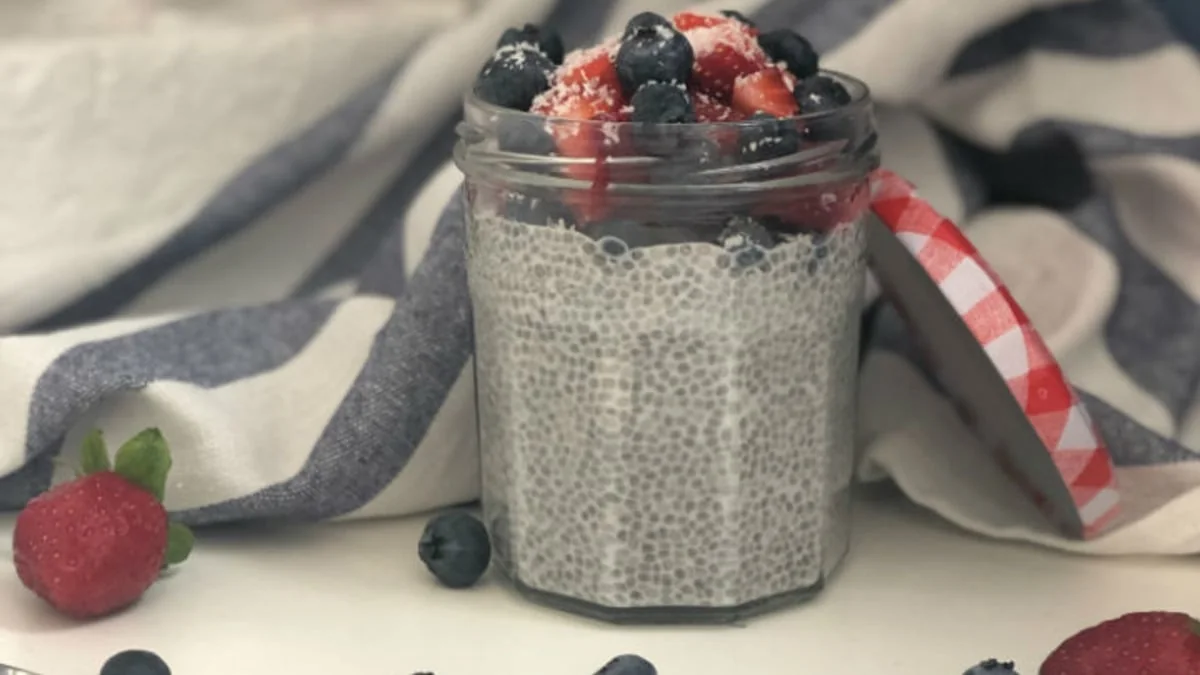
A few sweet breakfast or snack options from our meal catalog that are sweetened mainly by fruit (Sporty's per-serving estimates; real values depend on recipe and portion): yogurt and fruit at 230 kcal with 16 g of protein, a cottage cheese and walnut fruit bowl at 280 kcal with 26 g, chia pudding at 300 kcal, and oats, yogurt and fruit at 390 kcal with 22 g of protein.
Who should take extra care?
- People with diabetes. The WHO guideline does not apply to you. Sweeteners may still have a place in your plan; discuss it with your doctor or dietitian.
- People with phenylketonuria (PKU). Aspartame is a source of phenylalanine and must be avoided or strictly limited.
- Children. The WHO suggests reducing overall sweetness in the diet from an early age.
- Pregnancy and medical conditions. If you are pregnant or have a health condition, ask a doctor or registered dietitian about what suits you.
The bottom line
Artificial sweeteners are tightly regulated and considered safe at authorised levels, but the WHO does not recommend them for weight control. Use them, if you like them, as a step away from sugary drinks rather than as a solution. Lasting progress comes from the overall pattern: fewer free sugars, more water, enough protein and fibre, and a calorie target you can keep. Sporty's barcode scanner brings up the nutrition information for packaged drinks and snacks, so you can see the sugar and calories you are actually logging. Remember that no single drink solves a problem or ruins a plan; what counts is what becomes a habit over weeks.
Frequently asked questions
Is aspartame safe to drink every day?
Regulators keep an acceptable daily intake of 40 mg per kg of body weight, about 2,800 mg for a 70 kg adult. Typical intake is well below that. People with PKU must avoid it.
Do diet drinks make you gain weight?
They contain almost no calories, but the WHO found no long-term benefit for body fat from sweeteners and advises against relying on them for weight control.
Is stevia better than other sweeteners?
The WHO guideline treats stevia and its derivatives the same as other non-sugar sweeteners. Natural origin does not change the advice about weight control.
Are sugar alcohols like erythritol calorie-free?
No. Polyols such as erythritol, xylitol and sorbitol contain calories, which is why the WHO does not count them as non-sugar sweeteners.
Was this article helpful?
No ratings yet — be the first.
Tap a star to rate it — your rating helps us improve and helps other readers.
Sources
This article is general information, not medical advice. If you have a health condition, are pregnant or under 18, talk to a doctor or registered dietitian before changing your diet.