
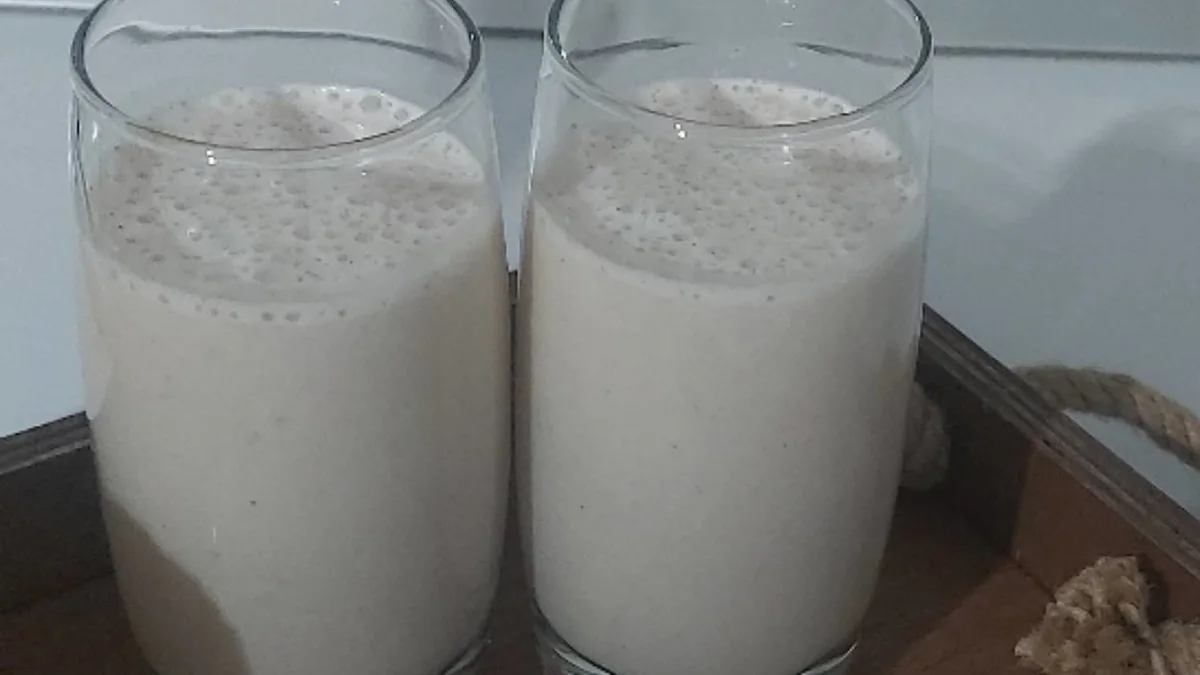
The best-known protein myth is that your body can only use about 30 g at a time. A 2018 review found protein absorption is virtually unlimited; the 20–25 g figure is about maximising muscle building after one dose. Healthy kidneys also cope well with 1.4–2.0 g/kg, and the post-workout window lasts hours, not minutes.
Key takeaways
- Absorption is not capped at 30 g; spreading about 0.4 g/kg over four meals suits muscle building.
- In healthy people, 1.4–2.0 g/kg a day shows no sign of kidney harm; kidney disease is different.
- The muscle-building effect of training lasts at least 24 hours, so there is no 30-minute deadline.
- Whole foods can cover protein needs; plant protein works with a varied mix of sources.
- Protein has 4 kcal per gram and needs training to become muscle.
Why are there so many protein myths?
Protein sits where gym culture, diet marketing and everyday cooking meet, so advice about it travels fast. Much of that advice starts from something real, such as the fact that muscles respond to protein after training, and then hardens into a strict rule. Below are six common beliefs, what the research and health agencies actually say, and what that means for normal meals. Dish numbers are Sporty's per-serving catalog estimates; real values depend on the recipe and portion.
If you want the full answer to "how much do I need?", start with our guide to how much protein per day. This article focuses on the myths around it.
Myth 1: Can your body only use 30 g of protein at a time?
What the evidence says: no. This idea mixes up two different things: digestion and muscle building. A 2018 review in the Journal of the International Society of Sports Nutrition by Schoenfeld and Aragon states that the amount of protein the body can absorb is virtually unlimited. The 20–25 g figure people quote comes from studies of how much fast-digesting protein maximises muscle protein synthesis in young adults after one dose, not from any limit on absorption. Protein beyond that is still digested; some is used for energy and some for building tissue.
What the same review does suggest is spreading protein out: about 0.4 g per kg of body weight per meal, across at least four meals, to reach at least 1.6 g/kg a day. For a 70 kg (about 154 lb) person that is roughly 28 g per meal and 112 g a day. The ISSN position stand gives a similar per-serving range of 20–40 g, or 0.25 g/kg, eaten every 3–4 hours. So a larger dinner is not "wasted", but a day that saves almost all of its protein for one meal is not ideal either.
Myth 2: Does a high-protein diet damage healthy kidneys?
What the evidence says: not in healthy people, based on current evidence. The ISSN position stand on protein and exercise (Jäger et al. 2017) reviewed this question and concluded that concerns about intakes of 1.4–2.0 g/kg a day being unhealthy are unfounded in healthy, exercising individuals. It notes that reviews consistently report no sign of liver or kidney harm in active people eating more protein, and that a one-year study at very high intakes found no effect on kidney or liver function.
The important exception is that people with kidney disease often do benefit from limiting protein, and the ISSN authors say it is inappropriate to apply that rule to healthy people. If you have kidney disease, reduced kidney function or diabetes, ask your doctor or a registered dietitian before raising your protein intake.
Myth 3: Do you have to eat protein within 30 minutes of training?
What the evidence says: the window is much wider than half an hour. The ISSN position stand says the best time to eat protein is likely a matter of individual tolerance, since benefits come from eating it before or after a workout, and that the muscle-building effect of exercise lasts at least 24 hours, though it probably fades with time. In other words, your normal meal an hour or two after the gym still counts.
Total daily protein and regular meals matter far more than the stopwatch. Our guide to what to eat after a workout goes into timing in more detail.
Myth 4: Do you need shakes or bars to get enough protein?
What the evidence says: no. The ISSN position stand says it is possible for physically active people to meet their daily protein needs through whole foods, and describes supplements as a practical way to do it, especially for athletes training very hard. It also advises focusing on whole food sources of protein that contain all the essential amino acids.
Ordinary dishes do the job well. In our catalog a chicken shish gives about 46 g of protein for 380 kcal, grilled salmon about 40 g for 460 kcal and a cottage cheese and walnut fruit bowl about 26 g for 280 kcal. A protein shake made with milk and whey gives about 30 g for 300 kcal, which is convenient but not magic. And the word "protein" on a label is no guarantee: our homemade oat, nut butter and date bar has about 10 g for 220 kcal, less than a 230 kcal bowl of yogurt and fruit (16 g).
Myth 5: Is plant protein simply not good enough?
What the evidence says: plant protein works, it just needs a bit more planning. The ISSN position stand notes that many plant proteins are lower in leucine, an amino acid that helps switch on muscle protein synthesis, and that different protein types differ in quality. It also states that complete protein is possible on a vegetarian diet with careful choices. Mixing sources across the day, such as legumes, grains, soy, nuts and seeds, covers the full range of essential amino acids.
| Dish | kcal | Protein | Carbs | Fat |
|---|---|---|---|---|
| Tofu and vegetable sauté | 420 | 32 g | 34 g | 20 g |
| Lentil Salad | 320 | 16 g | 42 g | 9 g |
| Mediterranean chickpea salad | 430 | 19 g | 58 g | 14 g |
| Chicken Shish Kebab | 380 | 46 g | 8 g | 18 g |
In our catalog, a tofu and vegetable sauté gives about 32 g of protein for 420 kcal, a lentil salad about 16 g for 320 kcal and a Mediterranean chickpea salad about 19 g for 430 kcal, compared with 46 g for the chicken shish. Plant meals often bring fibre too, but usually a little less protein per calorie, so portions and combinations matter. Our guide to plant protein without meat shows full days.
Myth 6: Does extra protein turn straight into muscle?
What the evidence says: no, training is the signal. The first point of the ISSN position stand is that exercise, especially resistance exercise, and protein both stimulate muscle protein synthesis and work together. Protein supplies the building blocks; lifting, carrying and other strength work tell the body to use them.
Protein also has calories: 4 kcal per gram, the same as carbohydrates. A 300 kcal shake added on top of an unchanged day adds 300 kcal, not muscle. The National Academies give a wide acceptable range for protein, 10–35% of daily energy, which leaves plenty of room, but more is not automatically better. The 2018 review works with an upper daily intake of about 2.2 g/kg, and the ISSN discusses higher intakes mainly for resistance-trained people during calorie restriction. Swapping a lower-protein snack for a higher-protein one usually helps more than simply adding food.
So how much protein should you aim for?
Here is how the main reference points look for a 70 kg adult:
| Reference | Guideline | Per day at 70 kg |
|---|---|---|
| Minimum for healthy adults (RDA, National Academies) | 0.8 g/kg | 56 g |
| EFSA population reference intake | 0.83 g/kg | about 58 g |
| Most exercising people (ISSN) | 1.4–2.0 g/kg | 98–140 g |
| Spread over four meals (Schoenfeld and Aragon) | about 0.4 g/kg per meal | about 28 g per meal |
The RDA is a minimum to prevent deficiency, not a target for someone who trains or is eating less to lose weight. If you are working on weight loss, protein also helps with fullness, which is one reason it appears in our list of weight-loss myths. Most people only find out where they stand by logging a few normal days; Sporty shows protein next to calories for every meal you log.
Who should get personal advice?
This is general information, not medical advice. Talk to a doctor or registered dietitian before changing your protein intake if you have kidney or liver disease, diabetes, are pregnant or breastfeeding, are under 18, or have a history of disordered eating. The ranges above are for healthy adults.
Frequently asked questions
How much protein can the body absorb in one meal?
A 2018 review in the Journal of the International Society of Sports Nutrition describes protein absorption as virtually unlimited. For muscle building, it suggests about 0.4 g per kg of body weight per meal across at least four meals.
Is a high-protein diet bad for your kidneys?
In healthy, active adults, the ISSN found no evidence that 1.4–2.0 g/kg a day harms the kidneys. People with kidney disease or reduced kidney function should follow their doctor's advice.
Is plant protein as good as animal protein?
Many plant proteins are lower in leucine, but a varied mix of legumes, grains, soy, nuts and seeds can cover all essential amino acids. Plant meals may need slightly bigger portions or combinations to reach the same protein.
Do I need protein powder to build muscle?
No. The ISSN says active people can meet their needs with whole foods; powders are just a convenient option. Training is what signals the body to build muscle.
Sources
This article is general information, not medical advice. If you have a health condition, are pregnant or under 18, talk to a doctor or registered dietitian before changing your diet.