
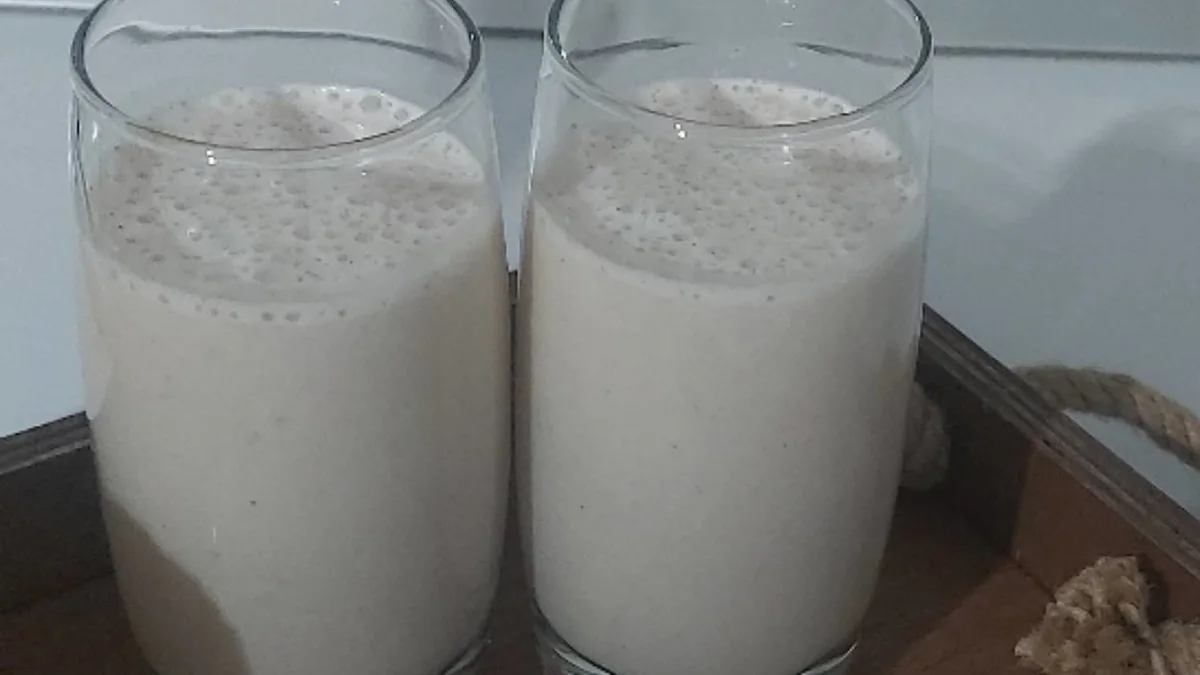
Eat a meal with about 0.25–0.4 g of protein per kg of body weight, roughly 20–40 g, within about two hours of training. The strict 30-minute window is a myth: total daily protein matters most, and a 2023 study found the muscle-building response to a large protein meal lasted over 12 hours.
Key takeaways
- A 2013 meta-analysis found total daily protein, not exact timing, best predicted muscle gain.
- Aim for about 0.25–0.4 g protein per kg (20–40 g) within roughly two hours after training.
- A 2023 study found 100 g of protein gave a bigger, longer (12+ hours) response than 25 g.
- Fast carbohydrate refuelling mainly matters if you train again within four hours.
- When losing weight, make a normal meal your recovery meal instead of adding extra calories.
Is there really a 30-minute "anabolic window"?
For years, gym advice said you had to drink a protein shake within 30 minutes of training or lose your gains. The evidence does not support such a tight deadline. A 2013 meta-analysis of randomized trials in the Journal of the International Society of Sports Nutrition, covering 23 studies on muscle growth, found that once total protein intake was accounted for, eating protein right around the workout made no significant difference to strength or muscle size. Total daily protein was the strongest predictor of muscle gain.
The International Society of Sports Nutrition (ISSN) position stand on nutrient timing puts it this way: high-quality protein eaten anywhere from immediately to two hours after exercise strongly stimulates muscle protein synthesis, and the size and timing of your pre-workout meal changes how urgent the post-workout meal is. If you had a proper lunch at 1 pm and train at 4 pm, dinner at 6 pm is perfectly fine. If you train fasted at 7 am, eating protein soon afterwards makes more sense.
How much protein should a post-workout meal have?
The ISSN suggests a dose of 20–40 g of high-quality protein, or about 0.25–0.40 g per kg of body weight, every three to four hours. A 2018 review by Schoenfeld and Aragon concluded that about 0.4 g/kg per meal, over at least four meals, is a sensible target for people who want to build muscle. Here is what that looks like:
| Body weight | 0.25 g/kg | 0.40 g/kg |
|---|---|---|
| 60 kg | 15 g | 24 g |
| 70 kg | 18 g | 28 g |
| 80 kg | 20 g | 32 g |
| 90 kg | 23 g | 36 g |
| 100 kg | 25 g | 40 g |
For a 70 kg person, a post-workout meal with roughly 20–30 g of protein covers the recommendation. That is a chicken breast portion, a large bowl of Greek yogurt or a typical protein shake.
Daily protein calculator
0.8 g/kg is the adult RDA; 1.4–2.0 g/kg is the ISSN range for people who exercise. Kidney disease needs medical advice.
Is protein above 25–30 g wasted?
This is the newest and most surprising finding. A widely cited idea was that muscle can only use about 20–25 g of protein at a time and the rest is "burned". A 2023 study in Cell Reports Medicine from Maastricht University tested this directly in 36 healthy young men after a whole-body resistance workout. Those who drank 100 g of milk protein had a larger and longer anabolic response, lasting more than 12 hours, than those who drank 25 g, and very little of the extra protein was oxidized.
That does not mean you should eat 100 g of protein after training. It was a short, single-session lab study in young men. What it does mean is that a larger protein meal is not wasted, and that the "window" is far wider than 30 minutes. For most people, the practical goal is still to reach a good daily total: the ISSN suggests 1.4–2.0 g per kg for exercising people, and the new Dietary Guidelines for Americans 2025–2030 set a general target of 1.2–1.6 g per kg and advise prioritizing protein at every meal. Our guide to how much protein you need per day shows how to calculate yours.
Do you need carbohydrates after training?
Carbohydrate refills muscle glycogen, the fuel used in hard or long sessions. It matters most when you need to recover fast. The ISSN says that if you have less than four hours before the next session, you can eat about 1.2 g of carbohydrate per kg per hour, or about 0.8 g/kg per hour plus 0.2–0.4 g/kg of protein. For a 70 kg athlete, that is about 84 g of carbohydrate per hour.
Most people who train once a day, especially those trying to lose weight, do not need that. Glycogen refills over the next day from normal meals. A balanced meal with protein, some carbohydrate and vegetables is enough.
What are good post-workout meals?
Here are options from Sporty's per-serving estimates and from USDA FoodData Central. Real values depend on recipe and portion.
| Option | kcal | Protein | Carbs |
|---|---|---|---|
| Chicken shish kebab | 380 | 46 g | 8 g |
| Grilled chicken, bulgur and cacık | 640 | 58 g | 62 g |
| Tuna salad and yogurt | 480 | 52 g | 28 g |
| Poke bowl | 540 | 34 g | 60 g |
| Pad thai with chicken | 580 | 32 g | 66 g |
| Protein shake with milk and half a banana | 300 | 30 g | 30 g |
| Cottage cheese and walnut fruit bowl | 280 | 26 g | 22 g |
| Oats, yogurt and fruit | 390 | 22 g | 58 g |
| Sushi rolls | 420 | 18 g | 70 g |
| Nonfat Greek yogurt, 200 g (USDA) | 108 | 19 g | 7 g |
| Reduced-fat chocolate milk, 250 g (USDA) | 195 | 7.5 g | 30 g |
A few things stand out. Chicken shish gives a lot of protein for its calories. Pad thai and a poke bowl give both protein and the carbohydrate a hard session uses. Sushi rolls are mostly rice, so they are lighter on protein than many people assume; adding a side of edamame or sashimi helps. Chocolate milk is often promoted as a recovery drink, but a glass has only about 7.5 g of protein, so it works better alongside a protein source than on its own.
What if you are trying to lose weight?
The post-workout meal should be part of your daily target, not an extra meal on top. Estimates of calories burned during exercise are rough, so eating them all back can quietly erase your deficit. Think of it this way: one of your normal meals simply comes after training.
Example: a 70 kg woman with a target of 1,700 kcal trains at 6 pm. Instead of adding a shake and then eating dinner, she makes dinner her recovery meal: chicken shish with salad, about 380 kcal and 46 g of protein, well above her 28 g per-meal goal. Her day stays at target, and the protein covers recovery. If you are unsure of your target, see how many calories to eat to lose weight.
What if you train early in the morning or fasted?
If your last meal was the night before, your body has gone many hours without protein, so eating within an hour or two of training is a good idea. A high-protein breakfast works well; our high-protein breakfast ideas include options with 20–30 g of protein. If you train after a meal, there is no rush.
A simple post-workout checklist
- Eat a meal or snack with about 0.25–0.4 g of protein per kg within roughly two hours, sooner if you trained fasted.
- Add carbohydrate if the session was long or hard, or if you train again within a day.
- Drink water to replace what you sweated out.
- Count the meal in your daily total, and spread protein over three or four meals.
- If you have kidney disease, diabetes or are pregnant, ask a doctor or registered dietitian about protein and carbohydrate targets.
Logging the post-workout meal in Sporty shows its protein right away, so you can see whether you hit your per-meal target without doing the math.
Frequently asked questions
Do I have to eat within 30 minutes after a workout?
No. Research shows protein eaten up to about two hours after exercise works well, and total daily protein matters more than exact timing. If you trained fasted, eat sooner.
How much protein should I eat after training?
About 0.25–0.4 g per kg of body weight, which is roughly 20–40 g for most adults. A 70 kg person needs about 18–28 g.
Is a protein shake necessary?
No. A shake is convenient, but a normal meal such as chicken with rice, eggs or Greek yogurt gives the same protein.
Should I eat carbs after a workout if I want to lose weight?
A moderate amount within your daily target is fine. Large, fast carbohydrate refuelling is mainly useful for athletes who train again within a few hours.
Does eating more than 30 g of protein in one meal waste it?
A 2023 study in young men found that 100 g of protein after training produced a larger and longer muscle-building response than 25 g, so larger meals are not simply wasted. Daily totals still matter most.
Sources
- Kerksick et al. 2017, ISSN position stand: nutrient timing
- Schoenfeld, Aragon & Krieger 2013, The effect of protein timing on muscle strength and hypertrophy: a meta-analysis
- Schoenfeld & Aragon 2018, How much protein can the body use in a single meal for muscle-building?
- Trommelen et al. 2023, The anabolic response to protein ingestion during recovery from exercise has no upper limit (Cell Reports Medicine)
- Dietary Guidelines for Americans 2025–2030
This article is general information, not medical advice. If you have a health condition, are pregnant or under 18, talk to a doctor or registered dietitian before changing your diet.