

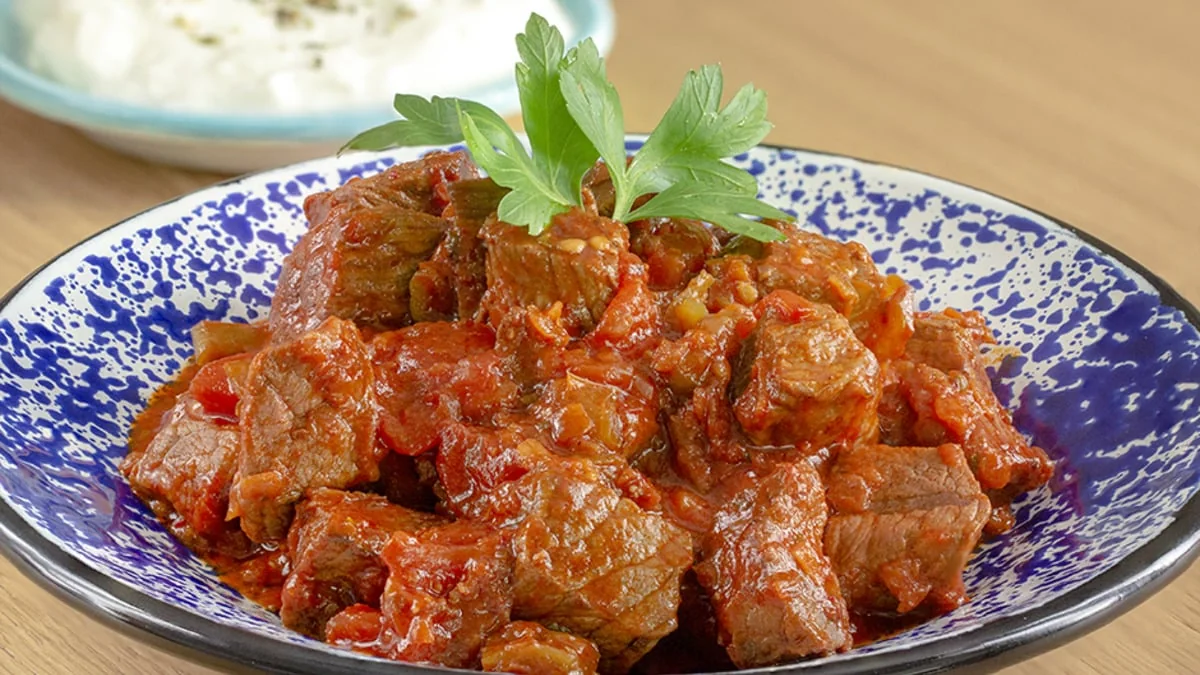
Zinc helps build new cells and enzymes, supports immunity and wound healing, and helps you use the energy in food. US guidance sets 11 mg a day for men and 8 mg for women; the NHS suggests about 9.5 mg and 7 mg. Meat, shellfish and dairy are the best-absorbed sources; legumes and whole grains also contribute.
Key takeaways
- Zinc supports cell growth, immunity, wound healing, and taste and smell.
- Adults need roughly 7–11 mg a day depending on sex and country guidance.
- Red meat, shellfish, poultry and dairy are well-absorbed sources; zinc from legumes and grains is absorbed less well.
- Vegetarians, people eating much less, and pregnant or breastfeeding women are more likely to fall short.
- The NHS advises no more than 25 mg a day from supplements unless a doctor recommends more.
What does zinc do in the body?
Zinc is a trace mineral: you need only a few milligrams a day, but it is involved in a remarkable number of processes. According to the NHS and the US National Library of Medicine (MedlinePlus), zinc helps to:
- make new cells and enzymes, and support normal growth and development, including during pregnancy, infancy and childhood;
- process the carbohydrate, fat and protein in food;
- keep the immune system working;
- heal wounds;
- support the senses of taste and smell.
Because it is needed every day, a steady supply from food matters. For most people eating a varied diet, that is easy to achieve. The groups who need to think about it more are covered below.
How much zinc do you need per day?
Recommendations differ a little between countries because experts use slightly different assumptions about absorption. The two most widely quoted sets are:
| Group | US RDA (MedlinePlus) | UK guidance (NHS) |
|---|---|---|
| Men | 11 mg/day | about 9.5 mg/day (aged 19–64) |
| Women | 8 mg/day | about 7 mg/day |
| Pregnancy | 11 mg/day | – |
| Breastfeeding | 12 mg/day | – |
Either way, the target is a small number, and most of it comes from a handful of foods.
Which foods are good sources of zinc?
MedlinePlus describes animal protein foods as the best sources. Beef, pork and lamb contain more zinc than fish, and the darker meat of chicken contains more than the breast. The NHS also lists shellfish, dairy foods such as cheese, bread and cereal products such as wheatgerm. Among plant foods, nuts, whole grains, legumes and yeast provide zinc.
There is an important catch with plant foods: the body absorbs less zinc from them. Whole grains and legumes contain compounds that bind zinc in the gut, so the same milligram on a label delivers less. MedlinePlus notes that low-protein and vegetarian diets tend to be low in zinc for this reason.
| Food group | Examples | Absorption |
|---|---|---|
| Red meat | Beef, lamb, pork | Good |
| Shellfish | Crab, mussels, prawns, clams | Good |
| Poultry | Chicken, especially thighs and legs | Good |
| Dairy | Cheese, yogurt, milk | Good |
| Legumes | Lentils, chickpeas, beans | Lower |
| Whole grains and seeds | Oats, wholemeal bread, wheatgerm, pumpkin seeds | Lower |
| Nuts | Cashews, almonds | Lower |
What do zinc-rich meals look like?
You do not need to track zinc in milligrams. Building meals around the foods above does the job. Some examples from the Sporty catalog, with Sporty's per-serving estimates for calories and protein (real values depend on recipe and portion):
| Dish | kcal | Protein | Zinc-rich ingredients |
|---|---|---|---|
| Beef sauté | 420 | 40 g | Beef |
| White bean stew with beef | 450 | 28 g | Beef, beans |
| Chickpea stew with beef | 470 | 30 g | Beef, chickpeas |
| Chili con carne | 480 | 34 g | Beef, kidney beans |
| Lentil salad | 320 | 16 g | Lentils |
| Oats, yogurt and fruit | 390 | 22 g | Oats, yogurt |
| Menemen and white cheese | 460 | 28 g | Eggs, cheese |
Notice how often zinc travels with protein. If your protein intake is solid and varied, your zinc intake is usually solid too.
Who is more likely to fall short?
- Vegetarians and vegans. Because plant zinc is absorbed less well, it helps to eat legumes, whole grains, nuts and seeds every day, and to include dairy if you eat it. Our guide to plant protein without meat lists foods that cover protein and zinc together.
- People eating much less than usual. In a calorie deficit, every food choice carries more weight. If calories drop but meals become mostly vegetables and refined carbs, minerals such as zinc and iron can slip. See vitamins and minerals in a calorie deficit.
- Pregnant and breastfeeding women, whose needs are higher.
- Older adults with small appetites, and people with digestive conditions that affect absorption.
What are the signs of zinc deficiency?
MedlinePlus lists frequent infections, hair loss, poor appetite, a reduced sense of taste or smell, skin sores, slow growth, trouble seeing in the dark and slow-healing wounds. These signs are not specific: many have other, more common causes. If you notice several of them, see a doctor rather than self-diagnosing, because blood tests and a look at your overall diet are needed to work out what is going on.
Should you take a zinc supplement?
Most people who eat a varied diet do not need one. More is not better with zinc:
- The NHS advises not taking more than 25 mg of zinc supplements a day unless a doctor recommends it.
- High doses over a long time can reduce the amount of copper the body absorbs, which can lead to anaemia and weaker bones. MedlinePlus adds that long-term excess can also lead to iron or magnesium deficiency.
- Large single doses can cause diarrhoea, stomach cramps and vomiting within hours.
- Zinc nasal sprays and gels have been linked to loss of smell.
Zinc lozenges are popular for colds, and MedlinePlus notes some evidence that zinc may shorten a cold when started early, but it also advises against going above recommended intakes for this purpose. If you take a multivitamin, check how much zinc it already contains before adding more. Pregnant women, people with kidney disease and anyone on regular medication should ask a doctor or pharmacist first.
How do you get enough zinc in practice?
- Include a protein food at each meal: meat, fish, eggs, dairy, legumes or tofu.
- Eat red meat or shellfish a few times a week if you eat them, within the limits for red meat.
- Choose whole grains over refined ones where you can.
- Snack on a small handful of nuts or seeds rather than biscuits.
- If you are plant-based, eat legumes daily and consider dairy or fortified foods; talk to a dietitian if unsure.
Zinc and iron come from many of the same foods, so improving one usually helps the other. Our article on iron-rich foods is a natural next read. Sporty shows protein next to calories for each meal you log, which is a practical proxy: days with protein spread across meals tend to be days with enough zinc as well.
Frequently asked questions
What food is highest in zinc?
Shellfish and red meat such as beef and lamb are among the richest and best-absorbed sources. Dairy, poultry, legumes, nuts and whole grains also contribute.
Can vegetarians get enough zinc?
Yes, with planning. Zinc from plant foods is absorbed less well, so eat legumes, whole grains, nuts and seeds daily and include dairy if you eat it.
Is it safe to take zinc every day?
A multivitamin with a modest amount is generally fine. The NHS advises not exceeding 25 mg a day from supplements without medical advice, as high doses can reduce copper absorption.
Does zinc help with colds?
Some evidence suggests zinc started early may shorten a cold, but going above recommended intakes is not advised. Ask a pharmacist before using zinc products regularly.
Was this article helpful?
5.0 / 5 · 1 rating
Tap a star to rate it — your rating helps us improve and helps other readers.
Sources
This article is general information, not medical advice. If you have a health condition, are pregnant or under 18, talk to a doctor or registered dietitian before changing your diet.