

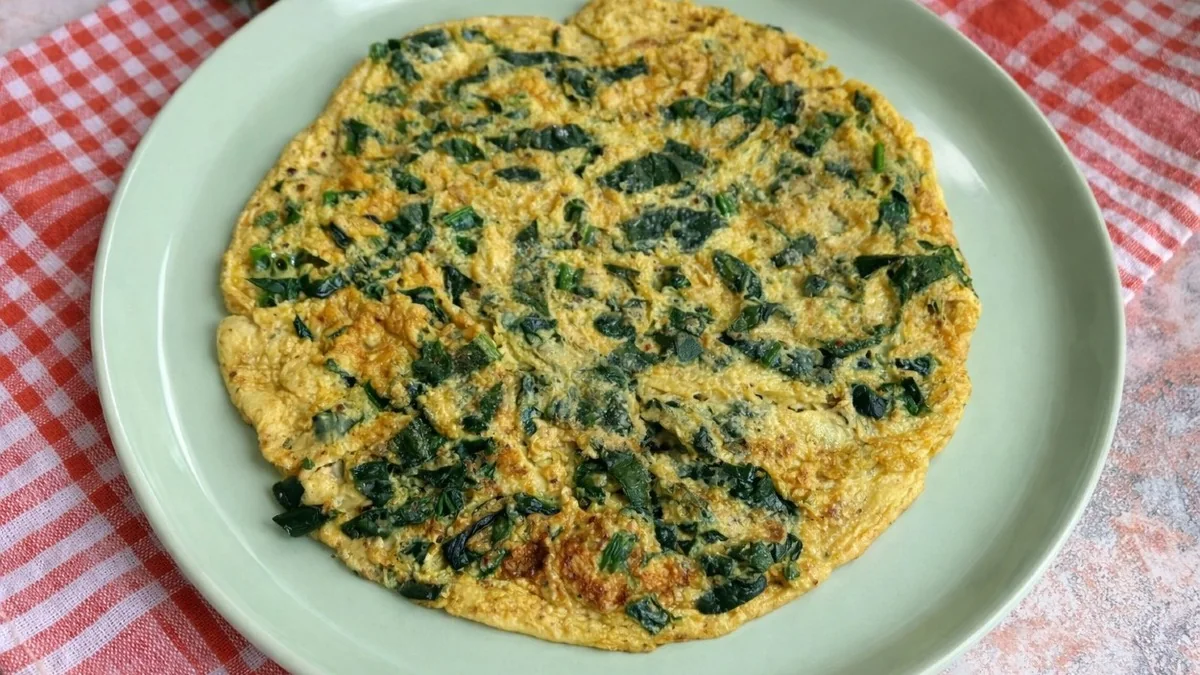
A quick healthy breakfast pairs a protein with fibre and takes 3 to 10 minutes. In Sporty's estimates, yogurt with fruit is about 230 kcal with 16 g of protein, a cottage cheese fruit bowl 280 kcal with 26 g, and a spinach omelette 300 kcal with 21 g. Preparing parts the night before saves the most time.
Key takeaways
- Build breakfast from one protein, one fibre-rich carb or fruit, and a little fat.
- Yogurt and fruit (about 230 kcal, 16 g protein) and a cottage cheese fruit bowl (about 280 kcal, 26 g protein) take about five minutes.
- Eggs are quick too: a spinach omelette is about 300 kcal with 21 g of protein in Sporty's estimates.
- Overnight oats, boiled eggs and pre-cut fruit move the work to the evening.
- Pastries and sweet coffee drinks are fast but usually low in protein and high in sugar.
What makes a breakfast both quick and healthy?
A good fast breakfast has three parts: a source of protein, a fibre-rich carbohydrate or fruit, and a small amount of fat. Protein and fibre help most people stay full until lunch, while a breakfast made only of refined carbohydrate, such as a pastry or white toast with jam, tends to be digested quickly. The WHO advises that carbohydrates should come mainly from whole grains, vegetables, fruit and pulses, and that free sugars stay below 10% of daily energy.
None of this needs a long recipe. Most of the options below take 3 to 10 minutes, and several can be prepared the evening before. The numbers are Sporty's per-serving estimates; real values depend on the recipe, the brand and the portion.
Which breakfasts take five minutes or less?
These need no cooking at all. They are the best choice for mornings when you are already late:
| Breakfast | Time | Calories | Protein | Carbs | Fat |
|---|---|---|---|---|---|
| Yogurt and fruit | 3 min | 230 kcal | 16 g | 32 g | 5 g |
| Cottage cheese and walnut fruit bowl | 5 min | 280 kcal | 26 g | 22 g | 8 g |
| Protein shake (milk, whey, banana) | 5 min | 300 kcal | 30 g | 30 g | 6 g |
| Oats, yogurt and fruit | 5 min | 390 kcal | 22 g | 58 g | 9 g |
The cottage cheese bowl is the standout here: 26 g of protein for 280 kcal, with walnuts adding a little healthy fat. Oats, yogurt and fruit has more carbohydrate and fibre, which suits people who train in the morning or have a long gap until lunch. A shake is useful on the move, but chewing a meal tends to feel more satisfying for many people, so keep it for the busiest days.
Which hot breakfasts are ready in about 10 minutes?
Eggs are the fastest hot protein. An omelette cooks in a few minutes, and a slice of wholegrain toast or a piece of fruit completes it.
| Breakfast | Time | Calories | Protein |
|---|---|---|---|
| Spinach omelette | 10 min | 300 kcal | 21 g |
| Vegetable omelette | 10 min | 320 kcal | 22 g |
| Avocado toast with poached eggs | 10 min | 410 kcal | 22 g |
| Menemen and white cheese | 12 min | 460 kcal | 28 g |
A spinach omelette gives 21 g of protein for 300 kcal and very little carbohydrate, so adding one slice of bread still keeps it modest. Avocado toast is more filling than it looks thanks to the eggs and the fat in the avocado. Menemen, the Turkish dish of eggs scrambled with tomatoes and peppers, makes a good weekend option, or a weekday one if you chop the vegetables the night before.
How do you make breakfast faster with a little evening prep?
The quickest breakfast is one that is already made. Ten minutes in the evening can cover two or three mornings:
- Overnight oats. Mix oats with milk or yogurt in a jar, add fruit in the morning. Our guide to overnight oats and make-ahead breakfasts has ratios and variations.
- Boiled eggs. Cook six at once; they keep in the fridge for several days and travel well.
- Egg muffins. Whisk eggs with chopped vegetables, bake in a muffin tin, and reheat two in the morning.
- Pre-cut fruit and vegetables. A box of washed berries, sliced peppers or cucumber turns toast or yogurt into a fuller plate.
- Chia pudding. Chia seeds set in milk overnight. It is about 300 kcal but only 9 g of protein, so stir in yogurt to raise it.
What about grab-and-go options on the way to work?
Café breakfasts are not off limits, but the easiest picks are often the least filling. A croissant or muffin is mostly refined flour, fat and sugar, with little protein. A large flavoured latte with syrup can add as much energy as a small meal. If you buy breakfast out, look for:
- A plain yogurt pot or a yogurt with fruit, rather than one with granola and honey on top.
- An egg sandwich or wrap on wholegrain bread.
- Porridge, ideally with fruit rather than syrup.
- A piece of fruit and a coffee with milk, if you will eat a proper lunch early.
Logging a café breakfast does not need to be precise to be useful. Sporty can estimate a meal from a photo, and you can adjust the portion afterwards if your croissant was larger than average.
How much should a quick breakfast be?
There is no single right number. For many adults trying to lose weight, a breakfast between roughly 300 and 450 kcal fits comfortably into a daily target, but it depends on your total budget and your schedule. A smaller breakfast can work if lunch comes early; a larger one makes sense before training or a physically active morning.
Protein is a more useful guide than calories alone. Many breakfasts in the tables above give 20 to 30 g, which is a good share of the day's needs for most adults. Protein and carbohydrate both provide 4 kcal per gram and fat 9 kcal per gram, which is why butter, nut butters and oils add up quickly even in small amounts.
If you prefer not to eat in the morning, that is fine too. What matters for weight is the total across the day; see our article on whether skipping breakfast matters for weight.
A simple formula for any busy morning
- Pick a protein: eggs, yogurt, cottage cheese, white cheese, milk or a shake.
- Add fibre: oats, wholegrain bread, fruit or vegetables.
- Add a little fat if you like: a few nuts, half an avocado or a teaspoon of olive oil.
- Keep drinks simple: water, tea or coffee with milk rather than juice or syrups.
Rotate between two or three favourites rather than planning something new each day. Keeping the ingredients for them in the fridge removes most of the morning decisions.
The formula works in any cuisine. A Turkish breakfast of white cheese, eggs, tomato and cucumber with a slice of wholemeal bread, British porridge with fruit, a Japanese plate of rice, egg and miso soup, or a Mexican tortilla with black beans and eggs all combine the same three parts in different ways.
This article is general information, not medical advice. If you have diabetes, are pregnant, under 18 or have a history of disordered eating, talk to a doctor or registered dietitian about the breakfast pattern that suits you.
Frequently asked questions
What is the healthiest breakfast I can make in five minutes?
Yogurt with fruit or a cottage cheese fruit bowl. In Sporty's estimates they provide about 230 kcal with 16 g of protein and 280 kcal with 26 g of protein, with no cooking needed.
Are eggs a good quick breakfast?
Yes. An omelette is ready in about 10 minutes, and a spinach omelette is about 300 kcal with 21 g of protein in Sporty's estimates. Boiled eggs cooked in advance are even faster.
Is a smoothie or shake enough for breakfast?
It can be, if it includes protein such as milk, yogurt or whey and some fruit or oats. A shake with milk, whey and banana is about 300 kcal with 30 g of protein, though chewing a meal tends to feel more filling.
How many calories should breakfast have?
It depends on your daily target and schedule. For many adults losing weight, about 300 to 450 kcal works well, but the daily total matters more than how it is split.
Was this article helpful?
No ratings yet — be the first.
Tap a star to rate it — your rating helps us improve and helps other readers.
Sources
This article is general information, not medical advice. If you have a health condition, are pregnant or under 18, talk to a doctor or registered dietitian before changing your diet.