

Skipping breakfast does not reliably cause weight gain, and eating breakfast does not reliably cause weight loss. A 2019 meta-analysis of 13 randomised trials found breakfast eaters took in about 260 kcal more per day and weighed slightly more, though the trials were short and low quality. Total daily calories matter far more than meal timing.
Key takeaways
- Observational studies linked skipping breakfast to higher weight, but randomised trials do not show that breakfast causes weight loss.
- In a 2019 meta-analysis, people assigned to eat breakfast ate about 260 kcal more per day in total.
- A 16-week trial in 309 adults found no difference in weight loss between eating and skipping breakfast.
- Choose the pattern that keeps you within your calorie target and helps you reach your protein.
- If you take blood-sugar-lowering medication or are pregnant, ask a doctor before changing meal timing.
Is breakfast really the most important meal for weight?
For decades, people have heard that skipping breakfast slows your metabolism and makes you gain weight. The idea came mostly from observational studies, which found that people who regularly skip breakfast tend to weigh more than people who eat it. But observational data cannot show cause and effect. Breakfast skippers may also differ in sleep, smoking, work hours, snacking habits or overall diet quality, and any of those could explain the difference.
To test whether breakfast itself changes body weight, researchers have to randomly assign people to eat it or skip it and then measure what happens. Those trials tell a much less dramatic story.
What do randomised trials actually show?
Two pieces of evidence are especially useful:
- A 2019 meta-analysis in the BMJ (Sievert et al.) pooled 13 randomised controlled trials from high-income countries. People assigned to eat breakfast ate about 260 kcal more per day in total than people assigned to skip it, and weighed on average 0.44 kg more by the end. The authors stressed that the trials were short (on average seven weeks for weight and two weeks for intake) and mostly of low quality, so the findings should be read with caution.
- A 16-week trial in 309 adults trying to lose weight (Dhurandhar et al., 2014) told people to eat breakfast, skip it, or follow no specific advice. Participants followed the advice well, yet there was no meaningful difference in weight loss between the groups. Average changes were all under 1 kg in either direction.
| Study | Design | Main finding |
|---|---|---|
| Sievert et al. 2019 | Meta-analysis of 13 RCTs | Breakfast eaters took in ≈ 260 kcal/day more and weighed ≈ 0.44 kg more; low-quality, short trials |
| Dhurandhar et al. 2014 | RCT, 309 adults, 16 weeks | Advice to eat or skip breakfast made no discernible difference to weight loss |
Put simply: eating breakfast does not reliably help weight loss, and skipping it does not reliably cause weight gain. Neither choice is a shortcut.
Why doesn't breakfast make a bigger difference?
Body weight follows your energy balance over days and weeks, not the timing of one meal. If you eat 1,800 kcal across the day, it does not matter much for fat loss whether that comes as three meals starting at 8:00 or two meals starting at 12:00. Our guide to the calorie deficit explains why total intake versus total expenditure is the core mechanism.
What breakfast can change is how much you eat later. Some people skip breakfast, feel ravenous by 11:00, grab a simit and sweet tea, then eat a bigger lunch. Others feel fine until noon and simply eat fewer calories overall. The trials above suggest that, on average, people do not fully make up the skipped calories, but averages hide a lot of individual variation.
When can eating breakfast help?
- You are genuinely hungry in the morning. Ignoring real hunger often backfires later in the day.
- Mornings without food lead to grazing. If a skipped breakfast turns into pastries, biscuits and sugary drinks at work, a planned breakfast is usually the lighter option.
- You train in the morning. Some people perform better with food a few hours before exercise.
- You struggle to reach your protein target. A protein-rich breakfast makes it easier to spread protein across the day; see our high-protein breakfast ideas.
When can skipping breakfast help?
- You are not hungry until late morning. Eating out of habit adds calories you may not need.
- A shorter eating window suits your routine. Fewer meals can make a calorie target easier to fit. This is the basic logic of time-restricted eating, covered in intermittent fasting and calories.
- You prefer bigger, more satisfying lunches and dinners. Two larger meals can feel more filling than three small ones for some people.
Skipping breakfast is not right for everyone. If you take medication that lowers blood sugar, are pregnant or breastfeeding, are under 18, or have a history of disordered eating, talk to a doctor or registered dietitian before changing your meal pattern.
If you eat breakfast, what works well?
A breakfast that keeps you full usually combines protein, some fibre and a sensible portion of fat. The numbers below are Sporty's per-serving estimates; real values depend on recipe and portion.
| Breakfast | kcal | Protein (g) | Carbs (g) | Fat (g) |
|---|---|---|---|---|
| Cottage cheese and walnut fruit bowl | 280 | 26 | 22 | 8 |
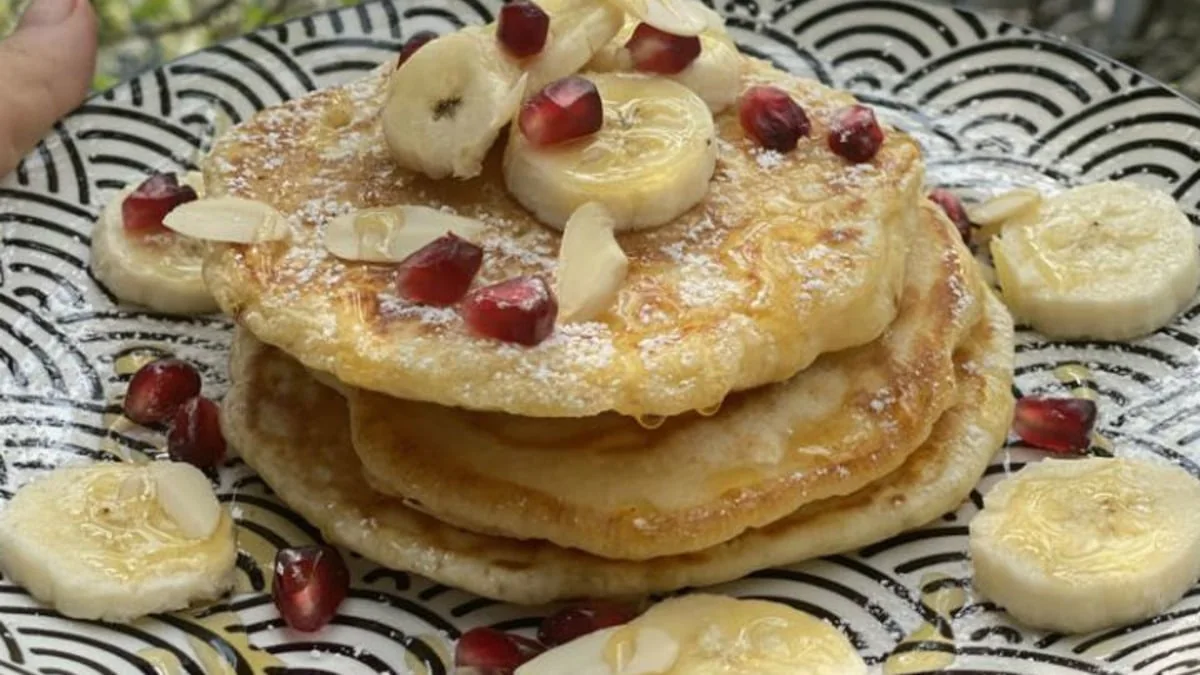
| Protein pancakes | 380 | 30 | 40 | 10 |
| Çılbır (poached eggs with yogurt) | 380 | 20 | 8 | 30 |
| Oats, yogurt and fruit | 390 | 22 | 58 | 9 |
| Avocado toast with poached eggs | 410 | 22 | 32 | 20 |
| Eggs with sucuk | 450 | 24 | 3 | 38 |
| Menemen and white cheese | 460 | 28 | 24 | 28 |
Notice the range: the cottage cheese bowl gives almost as much protein as menemen for about 180 kcal less. Neither is "better"; they simply fit different calorie budgets. For more examples at the lighter end, see what 300 calories of breakfast looks like.
If you skip breakfast, how do you avoid overeating later?
- Plan your first meal. Decide what lunch will be so hunger does not choose for you.
- Make the first meal protein-forward. Grilled chicken, eggs, fish, yogurt or legumes help you feel full after a longer gap.
- Watch your morning drinks. Several sweetened teas or milky coffees can add up to a small breakfast without you noticing.
- Keep the same daily target. Skipping breakfast only helps if the calories are not quietly added back at dinner or in the evening.
How can you test what works for you?
Because individual responses vary, a simple four-week experiment is more useful than any general rule:
- Keep the same daily calorie target for four weeks.
- For two weeks, eat a planned breakfast. For the next two, skip it and eat your first meal at lunch.
- Log everything you eat and note your hunger before lunch and in the evening on a 1–5 scale.
- Compare weekly average weight, total intake and how easy each pattern felt.
Logging makes this comparison honest: Sporty records meals from a photo, barcode, voice or text, so you can see whether skipped calories reappear later in the day. Choose the pattern that keeps you within your target with the least effort.
The bottom line
Breakfast is neither magic nor a mistake. Randomised trials show little effect on weight either way, and what matters most is your total intake over time, your protein intake and whether the pattern is easy to keep. If you like breakfast, eat a filling one. If you do not, skipping it is a reasonable choice, provided you do not make up for it later.
Frequently asked questions
Does skipping breakfast slow your metabolism?
There is no good evidence that skipping one meal slows your metabolism in a meaningful way. Your energy use depends mainly on body size, activity and total food intake, not on whether you eat in the morning.
Will I lose weight if I start skipping breakfast?
Only if it lowers your total calorie intake over time. If you eat the skipped calories later in the day, your weight is unlikely to change.
Is it bad to eat breakfast when I'm trying to lose weight?
No. Many people lose weight while eating breakfast. A protein-rich breakfast that fits your daily target is a perfectly good choice.
What is a good breakfast for weight loss?
One that keeps you full until lunch and fits your calories, usually with a good source of protein such as eggs, yogurt or cottage cheese, plus some fibre from fruit, vegetables or oats.
Was this article helpful?
No ratings yet — be the first.
Tap a star to rate it — your rating helps us improve and helps other readers.
Sources
This article is general information, not medical advice. If you have a health condition, are pregnant or under 18, talk to a doctor or registered dietitian before changing your diet.