

Most people do not need protein powder: everyday food can cover the 0.8 g per kg adult requirement and even the 1.4–2.0 g per kg suggested for exercising people. Powder is a convenient option when you struggle to reach your target, eat little meat or dairy, or want a quick, lower-calorie protein source after training.
Key takeaways
- Protein powder is food in a convenient form, not a requirement for health or muscle.
- In a meta-analysis of 49 trials, protein supplements added a modest gain in muscle mass during strength training.
- Extra protein brought no further muscle gain above a total intake of about 1.6 g per kg per day in that analysis.
- Supplements are not approved by the US FDA before sale; choose products tested by an independent lab.
- People with kidney disease, pregnant women and under-18s should ask a doctor or dietitian first.
What is protein powder, exactly?
Protein powder is protein extracted from a food and dried. The most common types are whey and casein, both from milk, and plant powders made from soy, pea, rice or a blend. Mixed with water or milk, a scoop turns into a drink with a lot of protein and relatively few calories. That convenience is its main selling point. It does not contain anything that ordinary protein-rich food cannot provide.
So the real question is not whether protein powder works, but whether you need it to reach your protein target. For most people, the honest answer is no, but it can be a useful tool in some situations.
How much protein do you actually need?
The recommended intake for adults is 0.8 g of protein per kg of body weight per day. For a 70 kg adult, that is about 56 g. The International Society of Sports Nutrition suggests 1.4–2.0 g per kg for people who exercise regularly, which for the same person is about 98–140 g a day. Protein should provide 10–35 % of your energy, according to the National Academies.
You can calculate your own range here:
0.8 g/kg is the adult RDA; 1.4–2.0 g/kg is the ISSN range for people who exercise. Kidney disease needs medical advice.
For the full explanation of these numbers, see our guide on how much protein per day.
Can you get enough protein from food alone?
Usually, yes. A few dishes from our meal catalog show how quickly food adds up. These are our per-serving estimates; real values depend on recipe and portion:
| Dish | kcal | Protein |
|---|---|---|
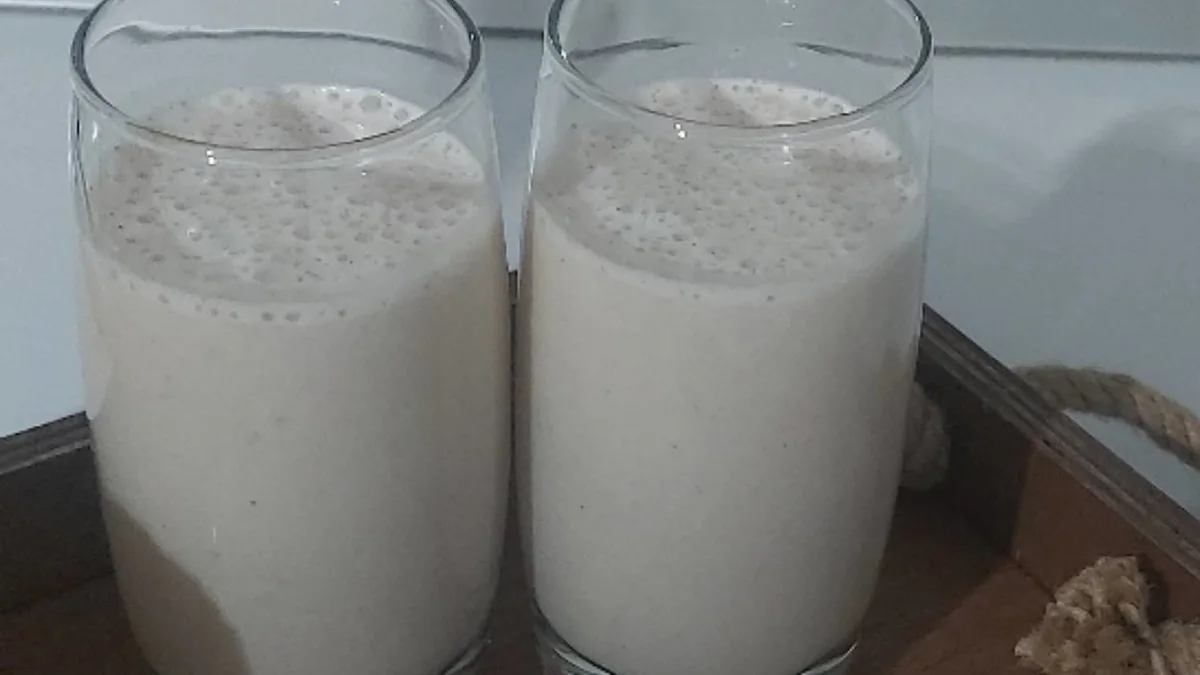
| Protein shake (250 ml low-fat milk, 25 g whey, half a banana) | 300 | 30 g |
| Cottage cheese and walnut fruit bowl | 280 | 26 g |
| Protein pancakes | 380 | 30 g |
| Tuna salad and yogurt | 480 | 52 g |
| Chicken quinoa power bowl | 520 | 50 g |
| Grilled fish and vegetables | 450 | 48 g |
A day with protein pancakes for breakfast, a tuna salad for lunch and grilled fish for dinner already reaches about 130 g of protein, without any powder. Eggs, yogurt, pulses, tofu and canned fish are among the most affordable sources; our guide to budget-friendly high-protein foods lists more.
The ISSN position stand makes the same point: active people can meet their needs through whole foods, and supplements are a practical way to ensure adequate protein quality and quantity while keeping calories low.
What does the research say about protein supplements and muscle?
The largest analysis on the topic is a 2018 systematic review and meta-analysis by Morton and colleagues in the British Journal of Sports Medicine. It pooled 49 randomised controlled trials with 1,863 participants who did resistance training for at least six weeks. Compared with no supplement, protein supplements produced:
- A modest gain in lean mass: on average about 0.3 kg more fat-free mass.
- A small gain in strength: about 2.5 kg more on a one-repetition maximum.
- A ceiling: above a total intake of about 1.6 g of protein per kg per day, extra protein brought no further gain in fat-free mass.
The effect was smaller in older participants and larger in people who were already trained. Two points stand out. First, what mattered was total protein, not the powder itself; the supplement helped mainly by raising intake. Second, the benefits came with resistance training, not instead of it. For more on common protein claims, see our article on protein myths checked against the evidence.
When can protein powder make sense?
- You regularly fall short of your target and find it hard to add more protein through meals.
- You eat little or no meat, fish or dairy. A soy or pea powder can make a plant-based day easier.
- You are in a calorie deficit and want protein with few extra calories to help keep you full and preserve muscle.
- Convenience matters: after training, on the move, or when your appetite is small.
If you use it, count it like any other food. A shake made with milk is a snack or part of a meal, not a free drink. Logging it in Sporty takes a few seconds by barcode or text, and you will see how it fits into your calories left for the day.
Whey, casein or plant protein: does the type matter?
For most people, the best powder is the one that suits their diet and that they will actually use. Whey and casein come from milk and contain all the essential amino acids. Soy is a complete plant protein as well, and pea and rice proteins are often blended to give a more balanced amino acid profile. The ISSN position stand describes whey as digested quickly and casein more slowly, but in everyday life your total daily protein matters far more than the type or timing of a single shake.
How does a shake fit into a real day?
Take a 70 kg person who does strength training three times a week and aims for 1.6 g per kg, about 112 g of protein a day. If their meals provide 80–85 g, one shake like the 300 kcal, 30 g shake in the table closes the gap neatly. If their meals already provide 115 g, the same shake adds 300 kcal without much extra benefit for muscle. Mixing the powder with water instead of milk lowers the calories, because the milk supplies part of the energy and protein in the glass.
What should you check before buying a protein powder?
- Protein per serving and per 100 kcal. Read the label and compare like for like; some products add a lot of sugar or fat.
- Ingredients. Shorter lists are easier to judge. Watch for added sugars, and for added caffeine or other stimulants in "pre-workout" blends.
- Independent testing. In the US, the FDA does not approve dietary supplements before they are sold and does not test them; manufacturers are responsible for their safety. Products checked by an independent laboratory give more assurance about what is in the tub.
- Your own tolerance. Whey contains some lactose; people who react to dairy may prefer a whey isolate or a plant protein.
Who should be careful with protein powder?
If you have kidney disease, are pregnant or breastfeeding, are under 18, or take medication, talk to a doctor, pharmacist or registered dietitian before adding a protein supplement. The FDA also advises consumers to check with a health professional before using supplements, as some can interact with medicines. For healthy adults, protein powder is optional: a convenient tool for some, unnecessary for many, and never a replacement for a varied diet.
Frequently asked questions
Do I need protein powder to build muscle?
No. Muscle gain depends on resistance training and enough total protein, which most people can get from food. Powder helps mainly when it raises a low intake.
How much protein powder should I take?
Only as much as you need to close the gap between your food and your target. In a large meta-analysis, extra protein above about 1.6 g per kg per day brought no further muscle gain.
Is protein powder good for weight loss?
It can help you get more protein for relatively few calories, which supports fullness and muscle in a deficit. It still counts as food, so include it in your daily calories.
Is protein powder safe?
For healthy adults it is generally considered safe as part of a balanced diet. Supplements are not approved before sale in the US, so choose independently tested products and ask a doctor if you have kidney disease or a medical condition.
Was this article helpful?
No ratings yet — be the first.
Tap a star to rate it — your rating helps us improve and helps other readers.
Sources
- ISSN position stand: protein and exercise (Jäger et al. 2017)
- Morton et al. 2018, Protein supplementation and resistance training-induced gains in muscle mass and strength: systematic review and meta-analysis (Br J Sports Med)
- National Academies, DRI for Energy and Macronutrients
- FDA, Questions and answers on dietary supplements
This article is general information, not medical advice. If you have a health condition, are pregnant or under 18, talk to a doctor or registered dietitian before changing your diet.