

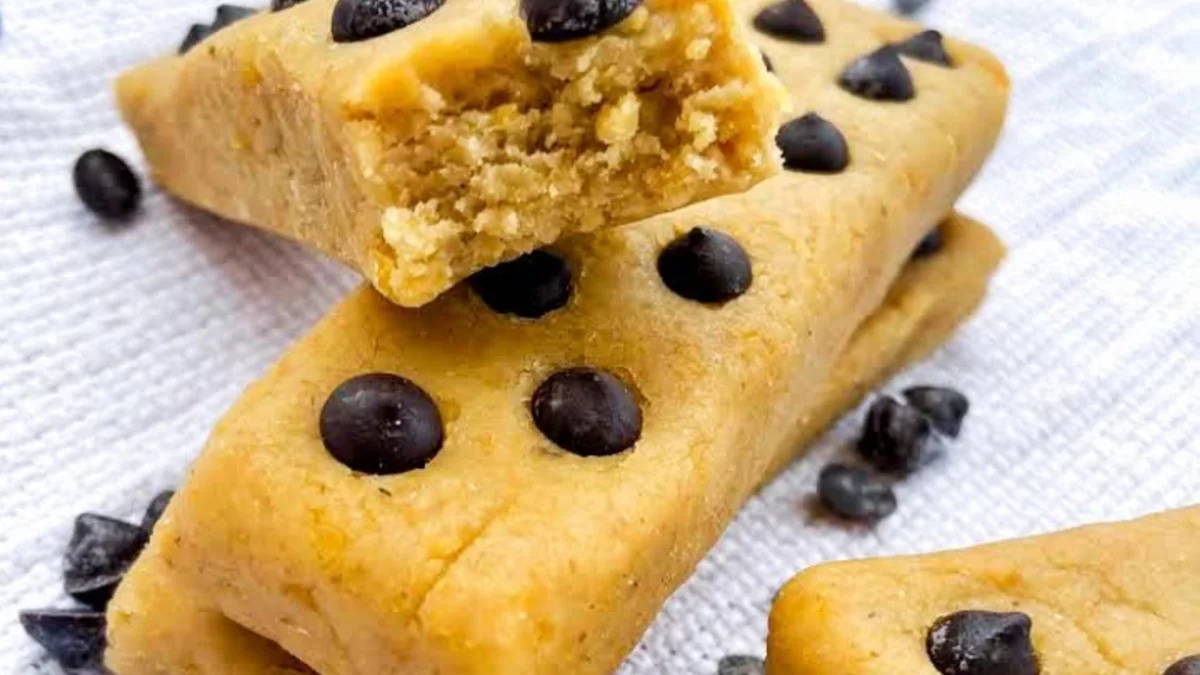
A good protein bar gives a meaningful amount of protein for its calories, is low in sugar and saturated fat, and fits your plan as a snack rather than an extra. Check protein per 100 kcal, sugars and saturated fat per 100 g. Many bars are closer to a snack bar than a protein food.
Key takeaways
- Compare protein per 100 kcal: a bar with 20 g protein and 200 kcal gets 40% of its energy from protein.
- Per 100 g, the NHS rates more than 22.5 g of sugars or 5 g of saturated fat as high.
- Sugar alcohols can cause bloating in some people when eaten in larger amounts.
- A homemade oat, nut and date bar is about 220 kcal with 10 g of protein (Sporty estimate).
- Yogurt, cottage cheese or a milk-based shake often give more protein for similar calories.
Do you actually need protein bars?
No one needs protein bars, but they can be handy. Most people can meet their protein needs from ordinary food: meat, fish, eggs, dairy, pulses, tofu and grains. The International Society of Sports Nutrition notes that active people can reach their targets with whole foods, while supplements are a practical way to add good-quality protein when food is inconvenient. That is the honest role of a bar: a portable option for a long day, a hike, a commute or after training when you will not eat a meal for a while.
How much protein do you need? Adults need at least 0.8 g per kg of body weight a day, and the ISSN suggests 1.4–2.0 g/kg for people who exercise regularly, with roughly 20–40 g per meal. You can estimate your own range here:
0.8 g/kg is the adult RDA; 1.4–2.0 g/kg is the ISSN range for people who exercise. Kidney disease needs medical advice.
What should you check on a protein bar label?
1. Protein per 100 kcal
The protein number on the front means little without the calories next to it. A simple test is to compare protein with energy. Protein provides 4 kcal per gram, so in an example bar with 20 g of protein and 200 kcal, 80 kcal (40%) comes from protein. In a bar with 10 g of protein and 250 kcal, only 16% does, which makes it closer to a cereal bar with some added protein. As a rough guide, bars with around 8–10 g of protein or more per 100 kcal behave like a protein food; bars below about 5 g behave like a snack.
2. Sugars
The NHS traffic-light system rates a food as high in sugars above 22.5 g per 100 g and low at 5 g or less. Many bars use dates, honey, syrups or chocolate coatings. Those sugars count toward the WHO advice to keep free sugars below 10% of daily energy, which is about 50 g on a 2,000 kcal day.
3. Saturated fat
Chocolate coatings, palm oil and coconut can push saturated fat up. The NHS rates more than 5 g per 100 g as high and 1.5 g or less as low, and it advises men to eat no more than 30 g of saturated fat a day and women no more than 20 g. A coated bar can use a noticeable share of that.
4. Fibre
Some bars add fibre from oats, nuts, seeds or added fibres such as chicory root. Fibre helps fullness, but large amounts of some added fibres can cause wind in sensitive people.
5. Sweeteners and sugar alcohols
Many low-sugar bars use sweeteners or sugar alcohols (polyols) such as maltitol or erythritol. They reduce sugar, but in larger amounts polyols can cause bloating or a laxative effect in some people. Our article on artificial sweeteners summarises the evidence.
6. Ingredient list and size
Ingredients are listed by weight, so the first few tell you what the bar mostly is. Also check the serving: some packs contain two bars, and some "bars" are 40 g while others are 70 g.
How do bars compare with other high-protein snacks?
A bar is not the only portable protein. These snacks from our catalog give a sense of scale; the numbers are Sporty's per-serving estimates:
| Snack | Calories | Protein | Protein per 100 kcal |
|---|---|---|---|
| Cottage cheese and walnut fruit bowl | 280 kcal | 26 g | 9.3 g |
| Protein shake (milk, whey, banana) | 300 kcal | 30 g | 10.0 g |
| Yogurt and fruit | 230 kcal | 16 g | 7.0 g |
| Hummus and raw vegetables | 260 kcal | 11 g | 4.2 g |
| Homemade bar (oats, nut butter, nuts, dates, honey) | 220 kcal | 10 g | 4.5 g |
The homemade bar is a perfectly good snack with fibre and healthy fats, but its protein density is modest, similar to hummus with vegetables. Dairy-based snacks give two or three times as much protein per calorie. A commercial bar with whey or milk protein can match them, which is the main reason to buy one. More ideas are in high-protein snacks for every craving.
When does a protein bar make sense?
- On the move: travel days, long meetings or outdoor activities when there is no fridge.
- After training: when your next meal is hours away. A shake or yogurt works just as well if you have them.
- Replacing a less filling snack: a bar with good protein density instead of a pastry or a chocolate bar.
It makes less sense as an extra on top of three full meals, or as a regular meal replacement. Bars are processed foods, and a diet built mostly on minimally processed foods is easier to keep balanced; see ultra-processed foods. If you already use protein powder, the guide on whether you need protein powder covers the same questions.
Is it worth making your own bars?
Homemade bars let you choose the ingredients: oats, nut butter, nuts, seeds and a little dried fruit, with no coating. The trade-off is protein. Oats and nuts are mostly carbohydrate and fat, so a homemade bar like the one in our table stays around 10 g of protein. Stirring in milk powder or a scoop of protein powder raises it, or you can simply pair a bar with a glass of milk, kefir or a pot of yogurt. Dates and honey are still free sugars, so keep them as binders rather than the main ingredient, and cut the tray into portions you would actually eat as one snack.
What is a quick checklist in the shop?
- Protein around 8–10 g or more per 100 kcal if you want it to work as a protein snack.
- Sugars low or medium per 100 g, not high.
- Saturated fat not in the high range; watch chocolate coatings.
- A size that fits your snack budget, usually about 150–250 kcal.
- Sweeteners or polyols you tolerate well.
If you log your snacks in Sporty, scanning the barcode pulls in the label values, so you can compare bars on protein and calories in a few seconds. For a deeper look at labels, read how to read a nutrition label.
This article is general information, not medical advice. If you have kidney disease, diabetes or a digestive condition, are pregnant or under 18, talk to a doctor or registered dietitian before relying on protein bars or supplements.
Frequently asked questions
Are protein bars healthy?
Some are a reasonable snack with good protein and little sugar; others are closer to a chocolate bar. Check protein per 100 kcal, sugars and saturated fat on the label.
How much protein should a good protein bar have?
A useful rule of thumb is around 8–10 g or more of protein per 100 kcal. A 200 kcal bar with 20 g of protein gets 40% of its energy from protein.
Can protein bars help with weight loss?
They can if they replace a less filling snack and fit your calorie target. Eaten on top of normal meals, they simply add calories.
Why do some protein bars cause bloating?
Many low-sugar bars contain sugar alcohols such as maltitol or added fibres, which can cause bloating or a laxative effect in some people when eaten in larger amounts.
Was this article helpful?
No ratings yet — be the first.
Tap a star to rate it — your rating helps us improve and helps other readers.
Sources
This article is general information, not medical advice. If you have a health condition, are pregnant or under 18, talk to a doctor or registered dietitian before changing your diet.