

Ultra-processed foods are industrial products made largely from extracted substances and additives such as flavourings, emulsifiers and sweeteners. In a controlled NIH trial, people offered an ultra-processed diet ate about 508 kcal more per day than on an unprocessed diet, even though the meals were matched for nutrients. Large reviews also link higher intake with poorer health.
Key takeaways
- The NOVA system sorts foods by how they are processed, not by calories or nutrients.
- An ingredient list with additives such as flavourings, emulsifiers or sweeteners usually signals an ultra-processed food.
- In a tightly controlled trial, people ate about 508 kcal a day more on an ultra-processed diet.
- A 2024 umbrella review linked higher intake with 32 of 45 health outcomes, mostly from observational evidence.
- Turkish home cooking makes it easy to swap the most common packaged foods for simple dishes.
What are ultra-processed foods?
Almost everything we eat is processed in some way: milk is pasteurised, lentils are dried, olives are cured. So "processed" alone does not say much. The term "ultra-processed" comes from the NOVA classification, developed by researchers in Brazil, which groups foods by the extent and purpose of industrial processing rather than by nutrients.
| NOVA group | What it means | Everyday examples |
|---|---|---|
| 1. Unprocessed or minimally processed | Whole foods, perhaps cleaned, dried, frozen, pasteurised or fermented | Vegetables, fruit, eggs, milk, plain yogurt, meat, fish, dried lentils, bulgur, rice |
| 2. Processed culinary ingredients | Substances taken from foods and used in cooking | Olive oil, butter, sugar, salt |
| 3. Processed foods | Group 1 foods with group 2 ingredients added, made with simple methods | Cheese, traditionally made bread, canned chickpeas, tomato paste, salted nuts |
| 4. Ultra-processed foods | Industrial formulations, largely made from substances extracted from foods plus additives | Soft drinks, packaged sweet and savoury snacks, many biscuits and breakfast cereals, instant noodles, many flavoured yogurts and processed meats |
The dividing line between groups 3 and 4 is not about calories, fat or sugar. It is about how the food is made and what goes into it.
How can you spot one on the label?
The NOVA researchers suggest a simple test: read the ingredient list. A product is likely ultra-processed if it contains at least one ingredient of either kind:
- Substances rarely or never used in home kitchens, such as high-fructose corn syrup, hydrogenated or interesterified oils and hydrolysed proteins.
- Additives that make the product more palatable or appealing, such as flavourings, flavour enhancers, colours, emulsifiers, emulsifying salts, sweeteners, thickeners, and foaming, gelling or glazing agents.
Compare two yogurts. Plain yogurt lists milk and cultures: group 1. A fruit-flavoured yogurt that lists flavourings, a thickener and a sweetener is group 4, even though both sit in the same fridge. Our guide on how to read a nutrition label explains where the ingredient list is and how to read it.
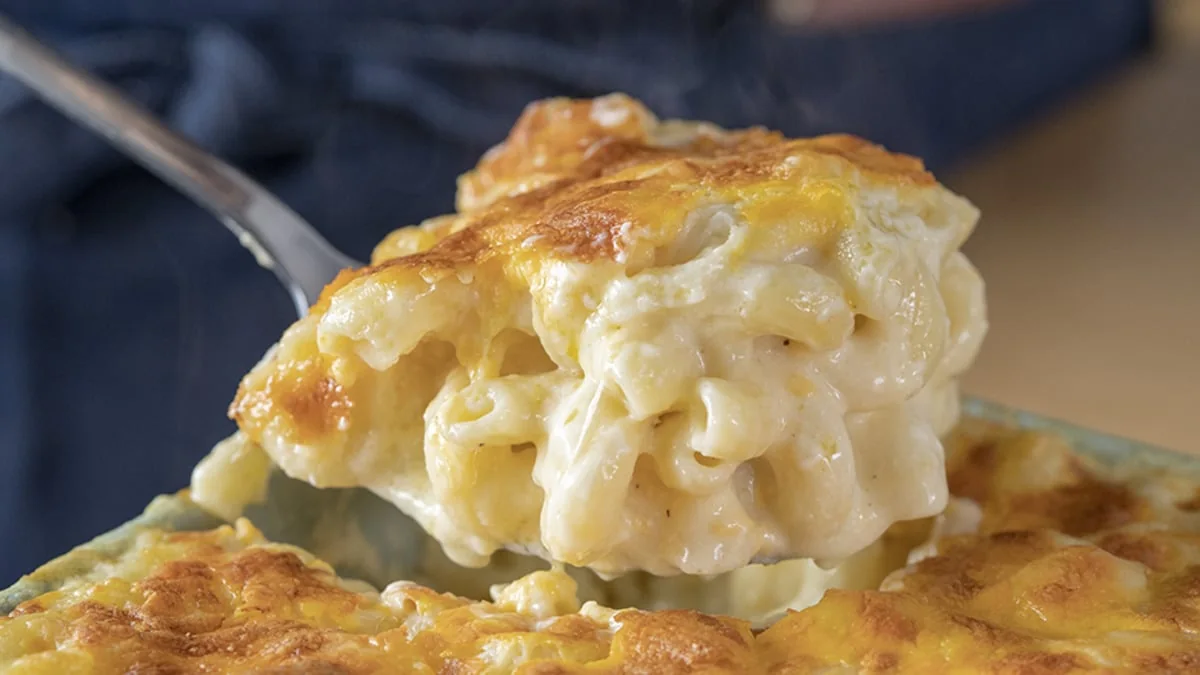
The cover photo shows why processing and calories are separate questions. Mac and cheese made at home from pasta, milk, butter and cheese is not ultra-processed in NOVA terms, even though we estimate a serving at 620 kcal. A boxed version made with cheese powder, emulsifying salts and colours is.
Why do ultra-processed foods matter?
People tend to eat more of them
The strongest single piece of evidence is a 2019 NIH trial. Twenty adults lived on a research ward for four weeks: two weeks on an ultra-processed diet and two weeks on an unprocessed diet. The meals were matched for the calories offered, energy density, protein, carbohydrate, fat, sugar, salt and fibre, and people could eat as much or as little as they wanted.
On the ultra-processed diet they ate about 508 kcal more per day, mostly from extra carbohydrate and fat, and gained about 0.9 kg. On the unprocessed diet they lost about 0.9 kg. It was a small, short study, but because it was tightly controlled it shows that something about these foods made people eat more, even when the nutrient labels looked similar.
Higher intake is linked with poorer health
A 2024 umbrella review in the BMJ brought together 45 pooled analyses covering almost 10 million participants. Higher ultra-processed food intake was associated with higher risk for 32 of the 45 health outcomes studied (71%). The most convincing evidence linked it to death from cardiovascular disease, type 2 diabetes, anxiety and common mental disorders; highly suggestive evidence linked it to obesity, all-cause mortality and depression, among others.
These are associations from observational studies, and most of the evidence was rated low or very low quality. People who eat a lot of ultra-processed food may differ in other ways too. Still, the pattern is consistent, and it fits the WHO's advice to build a healthy diet mainly on unprocessed and minimally processed foods.
Is it the processing itself, or what is in the food?
Researchers do not yet know exactly why ultra-processed foods lead to eating more. Many are energy-dense, low in fibre and easy to eat quickly, and many are high in sugar, salt and fat. The WHO notes that in many countries most salt comes from processed foods such as ready meals, processed meats, cheese and salty snacks. See our guides to salt limits and hidden sugars for how much they can add.
It is also worth keeping some nuance. Not every ultra-processed product is nutritionally alike: a packaged wholegrain bread and a can of soft drink can both be group 4, but they are very different foods. NOVA is a useful lens for building a whole diet, not a way to rate a single product as good or bad.
How can you eat fewer ultra-processed foods without stress?
Turkish home cooking has a real advantage here: many everyday dishes are made from group 1 to 3 foods. A few practical swaps, with Sporty's per-serving estimates for the home-made options (real values depend on recipe and portion):
| Instead of | Try | Home-made option |
|---|---|---|
| Instant noodle cup | Red lentil soup | 250 kcal, 13 g protein |
| Packaged sweet snack | Yogurt and fruit | 230 kcal, 16 g protein |
| Flavoured yogurt | Plain yogurt with fresh fruit | You control the sweetness |
| Processed meat sandwich | Menemen and white cheese | 460 kcal, 28 g protein |
| Ready-made pilaf mix | Bulgur pilaf | 290 kcal, 8 g protein |
| Soft drink | Water, mineral water or unsweetened tea | No calories |
Some simple habits help too:
- Change the default, not everything. Pick the two or three ultra-processed foods you eat most often and find a home-made or less processed alternative for those first.
- Cook once, eat twice. A pot of soup or legumes covers several meals and leaves less room for packaged convenience food on busy days.
- Keep easy whole foods in sight. Fruit, plain yogurt, eggs and nuts are as convenient as a packet once they are in the kitchen.
- Prioritise fullness. Protein, fibre and volume make it easier to eat less without fighting hunger; see how to feel fuller on fewer calories.
There is no need to aim for zero. Convenience foods have a place in busy lives, and an all-or-nothing approach can make eating stressful. If you notice that food rules are causing you anxiety, a doctor or registered dietitian can help.
How does this connect to weight loss?
A calorie deficit is still what drives weight loss. Ultra-processed foods matter because they can make that deficit harder to keep: in the NIH trial, people simply ate more when these foods were on the plate. Shifting your usual meals toward less processed food is one of the more practical ways to make eating less feel easier. Sporty can scan a packaged product's barcode and log its nutrition information, which makes it easier to see how much of your day comes from packets.
Frequently asked questions
Is bread ultra-processed?
It depends on the recipe. Bread made from flour, water, salt and yeast is a processed food (NOVA group 3). Packaged bread with emulsifiers, flavourings or other additives counts as ultra-processed.
Are all ultra-processed foods unhealthy?
Not equally. A wholegrain packaged bread and a soft drink can both be ultra-processed but are very different foods. NOVA is best used to shape your overall diet, not to judge one product.
Do ultra-processed foods make you gain weight?
In a controlled NIH trial people ate about 508 kcal more a day on an ultra-processed diet and gained weight. Weight still depends on total calories, but these foods can make eating less harder.
How do I know if a food is ultra-processed?
Read the ingredient list. Ingredients you would not use at home, such as hydrogenated oils or hydrolysed proteins, or additives like flavourings, emulsifiers and sweeteners, are the usual signs.
Was this article helpful?
No ratings yet — be the first.
Tap a star to rate it — your rating helps us improve and helps other readers.
Sources
- Monteiro et al. 2019, Ultra-processed foods: what they are and how to identify them
- Hall et al. 2019, Ultra-processed diets cause excess calorie intake and weight gain (inpatient RCT, n=20)
- Lane et al. 2024, Ultra-processed food exposure and adverse health outcomes: umbrella review (BMJ)
- WHO, Healthy diet fact sheet
This article is general information, not medical advice. If you have a health condition, are pregnant or under 18, talk to a doctor or registered dietitian before changing your diet.