

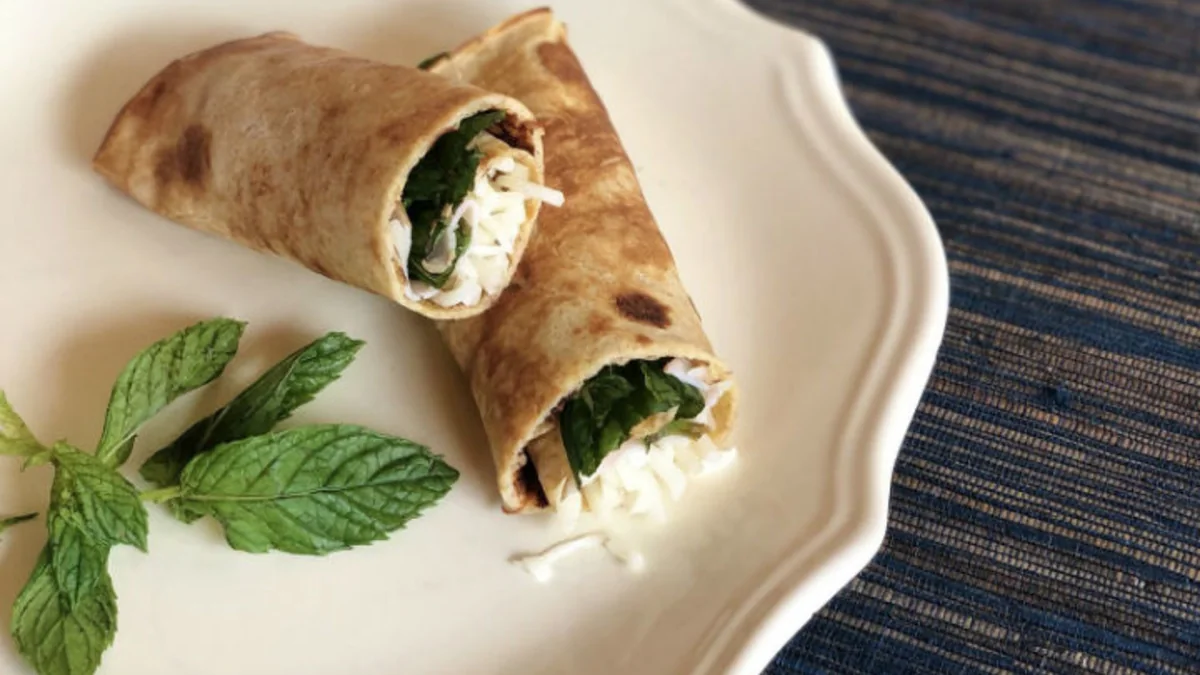
A good packed lunch for work lands around 400–600 kcal with 25–50 g of protein, plus vegetables and a starch. In Sporty's estimates, a tuna salad with yogurt is about 480 kcal with 52 g of protein, a protein wrap 450 kcal with 36 g, and lentil köfte with cacık 460 kcal.
Key takeaways
- Aim for roughly 400–600 kcal, a clear protein source, vegetables and one starch.
- Tuna salad and yogurt is about 480 kcal with 52 g of protein; a chicken quinoa bowl about 520 kcal with 50 g (Sporty estimates).
- Dressings, oil and cheese explain most of the difference between similar-looking boxes.
- Pack wet and dry parts separately and keep chilled food cold until lunch.
- Cooking twice a week is usually enough to cover five working lunches.
What makes a good packed lunch for work?
A lunch that keeps you going until the evening usually has four parts: a protein, a starch, vegetables and a little fat for flavour. For most adults trying to lose or manage weight, 400 to 600 kcal is a sensible range for the midday meal. It is enough to avoid a 4 pm raid on the vending machine, and it leaves room for breakfast, dinner and a snack within a moderate daily target.
Bringing lunch from home also gives you control over the two things that are hardest to judge in a canteen or café: the amount of oil and the size of the portion. The ideas below are built from dishes in our meal catalog. All numbers are Sporty's per-serving estimates; real values depend on your recipe and portion, so treat them as a starting point.
Which packed lunches stay under 600 calories?
Ten lunchbox-friendly options, sorted by protein per 100 kcal, a simple hint of how filling a meal may be:
| Lunch | Calories | Protein | Protein per 100 kcal |
|---|---|---|---|
| Tuna salad and yogurt | 480 kcal | 52 g | 10.8 g |
| Chicken quinoa power bowl | 520 kcal | 50 g | 9.6 g |
| Protein wrap (egg white, turkey, cottage cheese) | 450 kcal | 36 g | 8.0 g |
| Chicken wrap with yogurt sauce | 480 kcal | 34 g | 7.1 g |
| Niçoise salad | 430 kcal | 30 g | 7.0 g |
| Chicken and rice | 520 kcal | 34 g | 6.5 g |
| Tuna pasta | 540 kcal | 32 g | 5.9 g |
| Tofu and broccoli rice | 460 kcal | 22 g | 4.8 g |
| Protein-packed vegan salad (chickpeas, quinoa) | 420 kcal | 20 g | 4.8 g |
| Mediterranean chickpea salad | 430 kcal | 19 g | 4.4 g |
The fish and chicken options lead on protein, while the plant-based boxes bring more fibre from chickpeas, quinoa and vegetables. All ten fit comfortably under 600 kcal, so you can add a piece of fruit and still stay there. Recipes for two of the leaders are on the pages for tuna salad and yogurt and the chicken quinoa power bowl.
Can you combine two small dishes instead?
Some of the best lunchboxes are two small things rather than one big one. These pairings, added up from the same catalog, all stay under 600 kcal:
- Lentil köfte + cacık: 340 + 120 = 460 kcal, 20 g of protein. Bulgur and red lentil patties travel well and taste good cold; the yogurt-cucumber dip adds protein.
- Onigiri + shepherd's salad: 280 + 160 = 440 kcal, 13 g of protein. Light, but low in protein, so a boiled egg or a yogurt on the side helps.
- Chicken soup in a flask + hummus and raw vegetables: 260 + 260 = 520 kcal, 33 g of protein. A warm option for winter.
- Red lentil soup + bulgur salad: the classic Turkish pairing comes to about 510 kcal with 24 g of protein; see lentil soup and bulgur salad.
Where do packed lunches gain hidden calories?
Dressings and oil
Fat has 9 kcal per gram, against 4 kcal for protein and carbohydrate. A tablespoon of olive oil holds roughly 13–14 g of fat, so it adds well over 100 kcal. A salad that looks light can carry two or three tablespoons of dressing. Measure the oil once with a spoon, pack the dressing in a small pot and add it at your desk.
Cheese, mayonnaise and sauces
A club sandwich with turkey ham and mayonnaise is about 560 kcal in our catalog, against 480 kcal for a chicken wrap with yogurt sauce and similar protein. Swapping mayonnaise for yogurt sauce or mustard, and keeping cheese to one portion, is often the easiest saving. Our guide to healthier sandwiches and wraps has more examples.
The extras around the box
Crisps, a pastry with the morning coffee or a sweet drink can add as much as the lunch itself. If you want something sweet, fruit or yogurt fits better. The WHO advises keeping free sugars below 10% of daily energy.
How do you pack lunch so it tastes good at noon?
- Keep wet and dry apart. Pack dressings, sauces and yogurt dips separately so leaves and wraps do not go soggy.
- Layer bowls well. Put grains and sturdy vegetables at the bottom, protein in the middle and leaves on top.
- Keep it cold. Food with chicken, fish, eggs, rice or dairy should go into a fridge as soon as you arrive, or travel in an insulated bag with an ice pack.
- Reheat thoroughly. If you microwave leftovers, heat them until steaming hot all the way through, and stir halfway.
- Add volume cheaply. Cucumber, cherry tomatoes, carrots, peppers and leafy greens make the box look and feel bigger. The NHS suggests that fruit and vegetables make up just over a third of what you eat each day.
How can you prepare a week of lunches without much effort?
You do not need to cook every evening. A simple pattern works for most people:
- Cook twice a week. On Sunday and Wednesday, prepare one grain (bulgur, rice, quinoa or pasta), one protein (chicken breast, lentils, boiled eggs or tofu) and a tray of roasted or raw vegetables.
- Mix differently each day. The same chicken becomes a quinoa bowl on Monday, a wrap on Tuesday and a salad on Wednesday.
- Use tins and jars. Canned tuna, chickpeas and beans need no cooking and keep for months.
- Write it down. Planning five lunches on a note takes two minutes and makes shopping faster.
The weekly meal-prep plan shows how to batch-cook in about an hour. When lunch is a homemade mix, logging it in Sporty is quick: a photo of the open box gives an estimate you can adjust, and saved meals make the second time even faster.
What if you need more or less than 600 calories?
Needs differ with body size, activity and goals. Someone with a physical job or long training sessions may need a larger lunch, while a smaller person with a quiet desk day may be fine with 400 kcal. The CDC describes a gradual loss of about 0.5–1 kg (1–2 lb) a week as more likely to last than faster loss, and that pace rarely calls for very small meals.
If lunches leave you hungry by mid-afternoon, add protein or vegetables before adding more starch or fat. Avoid going below about 1,200 kcal a day for women or 1,500 kcal for men without medical supervision. This article is general information, not medical advice; if you have diabetes, kidney disease, are pregnant, under 18 or have a history of disordered eating, talk to a doctor or registered dietitian about what suits you.
Frequently asked questions
How many calories should a work lunch be?
For many adults managing their weight, 400–600 kcal is a practical range. It depends on your daily target, body size and activity, so adjust it to how hungry you feel in the afternoon.
What is a high-protein packed lunch?
Tuna salad with yogurt (about 480 kcal, 52 g protein) and a chicken quinoa bowl (about 520 kcal, 50 g protein) are among the highest in Sporty's estimates. Wraps with chicken or egg whites are also good options.
How do I keep a packed lunch from going soggy?
Pack dressings and sauces separately, put grains and sturdy vegetables at the bottom and leaves on top, and add the dressing just before eating.
Is it safe to keep a packed lunch at my desk?
Food containing meat, fish, eggs, rice or dairy should be kept cold. Put it in a fridge on arrival or use an insulated bag with an ice pack, and reheat leftovers until steaming hot.
Was this article helpful?
No ratings yet — be the first.
Tap a star to rate it — your rating helps us improve and helps other readers.
Sources
This article is general information, not medical advice. If you have a health condition, are pregnant or under 18, talk to a doctor or registered dietitian before changing your diet.