
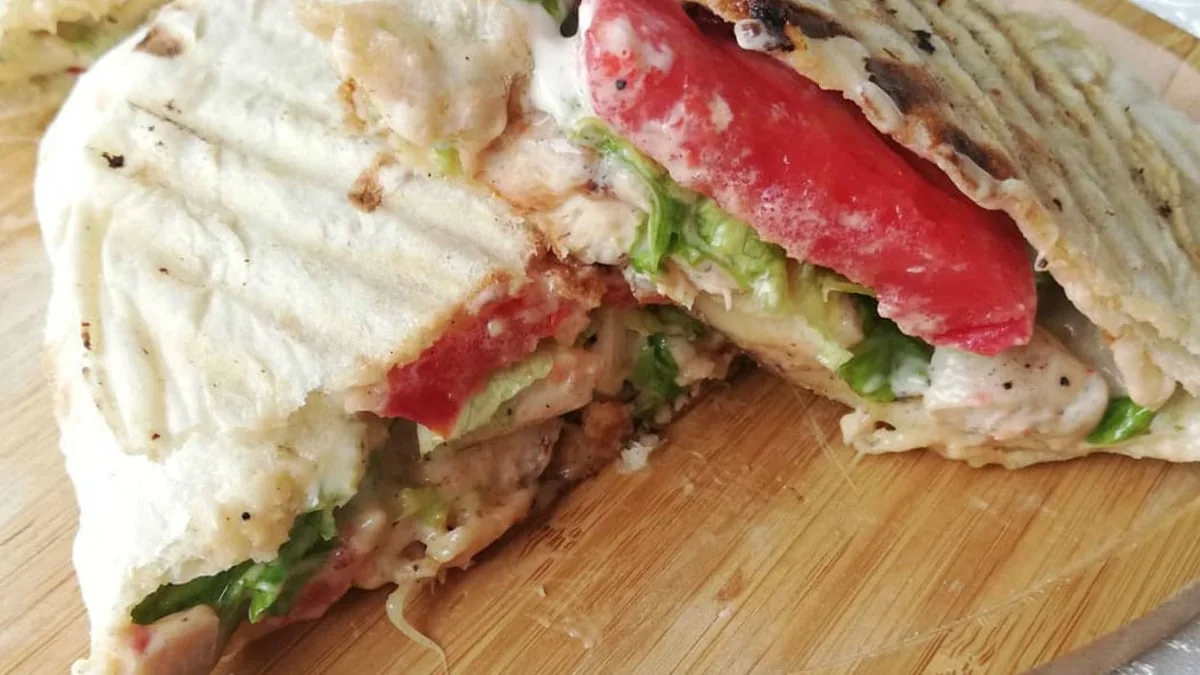
At the canteen, build lunch around a clear protein, plenty of vegetables and a starch portion you choose on purpose, with water or an unsweetened drink. Grilled chicken with rice, a chicken wrap, chili con carne or a sushi box all land around 420–520 kcal in Sporty's estimates, with most giving 34 g of protein or more.
Key takeaways
- Aim for a clear protein, plenty of vegetables and a chosen portion of starch on your tray.
- Chicken wraps, chicken and rice and chili con carne give 34 g of protein for about 480–520 kcal in Sporty's estimates.
- Salads are not automatically light: dressing, cheese and croutons drive the calories.
- In a meal deal, the drink is the easiest swap; a regular cola adds about 140 kcal.
- On heavy menu days, take a smaller main and more vegetables rather than skipping lunch.
What makes a good canteen lunch?
A canteen or cafeteria lunch works best when it keeps you full through the afternoon without taking up most of your day's calories. If you split an 1,800 kcal day across breakfast, lunch, dinner and a snack, lunch often lands somewhere around 450–600 kcal. That is a guide, not a rule, and your own target may be higher or lower.
A simple way to build the tray is the plate model used in the Dietary Guidelines for Americans: roughly half vegetables and fruit, a quarter protein and a quarter grains or other starch. Protein matters at lunch because it helps a meal feel substantial. The ISSN position stand suggests roughly 20–40 g of protein per meal for active people, and our high-protein lunch ideas under 600 calories go deeper on that. In practice, at the counter you are looking for three things: a clear protein, plenty of vegetables and a portion of starch you chose on purpose.
How do common canteen dishes compare?
Workplace canteens around the world serve surprisingly similar dishes: grilled chicken with rice, wraps and sandwiches, pasta bakes, curries, salads, soups and, increasingly, sushi boxes. The table below shows Sporty's per-serving estimates for typical versions. Real values depend on the recipe and especially on the portion, which in canteens is often larger than a standard serving.
| Dish | kcal | Protein (g) | Carbs (g) | Fat (g) |
|---|---|---|---|---|
| Chicken salad with avocado | 380 | 36 | 14 | 20 |
| Sushi rolls | 420 | 18 | 70 | 7 |
| Falafel with salad | 420 | 15 | 40 | 22 |
| Chicken wrap | 480 | 34 | 46 | 16 |
| Chicken Caesar salad | 480 | 38 | 18 | 28 |
| Chili con carne | 480 | 34 | 38 | 20 |
| Chicken and rice | 520 | 34 | 64 | 13 |
| Chicken curry with bulgur | 520 | 44 | 48 | 16 |
| Club sandwich | 560 | 34 | 44 | 26 |
| Lasagna | 620 | 32 | 52 | 30 |
| Mac and cheese | 620 | 24 | 64 | 29 |
| Burrito | 650 | 34 | 74 | 22 |
Two patterns stand out. First, most of the chicken-based options give you 34 g of protein or more for around 500 kcal. Second, the dishes at the top of the calorie range are the ones built on cheese, cream sauces or a large tortilla, not necessarily the ones that look biggest.
Which choices work best at the hot counter?
- Grilled or roasted protein with a side. Chicken, fish, beans or tofu with rice or potatoes and vegetables is easy to portion. Ask for half rice and half vegetables if that option exists.
- Bean and lentil stews. Chili con carne at 480 kcal and 34 g of protein is a filling choice, and pulses add fibre.
- Curries with a measured scoop of rice. Tomato-based curries are usually lighter than creamy ones; a chicken tikka masala, made with cream, is 580 kcal in our estimate.
- Pasta bakes as a whole meal. Lasagna at around 620 kcal is not off-limits. Pair it with a side salad and skip the extra bread and dessert that day rather than adding them on top.
- Sauce on the side. Gravies and creamy sauces are where portions quietly grow. Taking them on the side lets you decide how much to use.
Is the salad bar always the lighter option?
Not automatically. A salad's calories depend mostly on the dressing, cheese and crunchy toppings. Compare the chicken Caesar salad at 480 kcal and 28 g of fat with a chicken salad dressed with olive oil and lemon at 380 kcal: similar protein, but croutons, parmesan and a creamy dressing add about 100 kcal. One tablespoon of olive oil is about 120 kcal (USDA FoodData Central), so a heavy pour from the dressing jug counts.
The other common issue is the opposite: a salad that is too light to last. A Greek salad is about 290 kcal with only 9 g of protein. Add a protein source from the bar, such as chicken, tuna, eggs, chickpeas or lentils, or pair it with a soup. A lentil salad (320 kcal) with a bowl of minestrone (260 kcal) gives you 580 kcal and 26 g of protein in our estimates, with plenty of fibre.
How do you pick a lighter meal deal?
The classic meal deal, a main plus a snack plus a drink, is convenient but can add up fast. Choose the three parts in order of importance:
- The main. A wrap or sandwich with a clear protein filling, such as chicken, tuna, egg or falafel, does most of the work. Check the label if there is one; packaged sandwiches often list calories per pack.
- The drink. Water, sparkling water, unsweetened tea or coffee add little or nothing. A 330 ml can of regular cola adds about 140 kcal, as our guide to liquid calories explains.
- The snack. Fruit, a plain or lightly sweetened yogurt or a small portion of nuts tend to be more filling than sweets. If you want the chocolate bar, have it and count it; that is better than feeling deprived and snacking later.
A quick comparison: a chicken wrap with water is about 480 kcal; a club sandwich with a regular cola is about 700 kcal before the snack. Neither is wrong, but the difference over five working days is about 1,100 kcal.
What if the canteen has nothing light today?
Some days the menu is lasagna, fried fish or a heavy stew, and that is fine. A few small moves keep the day on track without skipping lunch:
- Take a smaller portion of the main and fill the rest of the tray with vegetables or salad.
- Choose either the bread, the dessert or the sugary drink rather than all three.
- Eat slowly and stop when you are comfortably full; you do not have to finish a tray sized for someone else.
- Plan a lighter dinner, using our guide to eating out for the same principles.
If you track your meals, a photo before you start eating is the fastest way to log a canteen tray. In Sporty you can check the ingredient list and adjust the portion afterwards, and a short note such as "extra dressing" fills the gaps a photo cannot see.
When should you get personal advice?
These are general ideas for healthy adults. If you have diabetes, kidney disease or another medical condition, are pregnant, are under 18 or have a history of disordered eating, ask a doctor or registered dietitian how lunch should fit your needs. And whatever your goal, do not let your daily intake fall below 1,200 kcal for women or 1,500 kcal for men without medical supervision.
Frequently asked questions
How many calories should an office lunch have?
It depends on your daily target. If you split an 1,800 kcal day across three meals and a snack, lunch often lands around 450–600 kcal.
Is a sandwich or a salad better for lunch?
Either can work. A protein-filled wrap or sandwich is often more filling than a light salad, while a salad with a heavy dressing and cheese can have as many calories as a sandwich.
What is the lightest hot canteen meal?
Grilled or roasted protein with vegetables and a measured portion of rice or potatoes is usually the easiest to keep moderate. Tomato-based stews and curries tend to be lighter than creamy ones.
Should I skip lunch to save calories?
Usually not. Skipping lunch often leads to bigger snacks and dinners later. A moderate, protein-rich lunch tends to make the rest of the day easier.
Sources
This article is general information, not medical advice. If you have a health condition, are pregnant or under 18, talk to a doctor or registered dietitian before changing your diet.