

Air-popped popcorn is one of the lightest movie snacks: about 97 kcal per 25 g, compared with about 160 kcal for 30 g of crisps and 214 kcal for 40 g of milk chocolate, based on USDA data. Pre-portioning, choosing one treat and pairing it with vegetables or a protein snack keep a film night moderate.
Key takeaways
- 25 g of air-popped popcorn is about 97 kcal; the same weight of oil-popped is about 125 kcal and microwave popcorn about 146 kcal (USDA).
- 30 g of crisps is about 160 kcal and 40 g of milk chocolate about 214 kcal.
- A 330 ml can of regular cola adds about 139 kcal; water, sparkling water or tea add none.
- Hummus with vegetables (260 kcal, 11 g protein) or yogurt with fruit (230 kcal, 16 g protein) are filling alternatives (Sporty estimates).
- Put a portion in a bowl instead of eating from the bag, and pick one treat rather than three.
Why do movie night snacks add up so fast?
A film lasts two hours, your attention is on the screen, and the bag is within reach. That combination makes it easy to eat without noticing how much. Most classic movie snacks are also energy-dense: crisps, chocolate and nuts pack 500–600 kcal into every 100 g, so a few handfuls are a meal's worth of calories.
None of these foods are off-limits. The aim is simply to know what a portion looks like, pick the snacks you enjoy most, and set things up so that the amount you eat is a choice rather than an accident.
How do popular movie snacks compare?
The figures below come from USDA FoodData Central, calculated for a typical portion. Brands differ, so check the label on what you buy.
| Snack | Portion | Calories | Per 100 g |
|---|---|---|---|
| Popcorn, air-popped | 25 g | about 97 kcal | 387 kcal |
| Pretzels, hard, salted | 30 g | about 115 kcal | 384 kcal |
| Popcorn, oil-popped, salted | 25 g | about 125 kcal | 500 kcal |
| Microwave popcorn, regular | 25 g | about 146 kcal | 583 kcal |
| Potato crisps, salted | 30 g | about 160 kcal | 532 kcal |
| Mixed nuts, dry roasted, salted | 30 g | about 178 kcal | 594 kcal |
| Milk chocolate | 40 g | about 214 kcal | 535 kcal |
| Cola, regular | 330 ml can | about 139 kcal | 42 kcal per 100 ml |
Per gram, air-popped popcorn and pretzels are similar. The difference is volume: popcorn is light and airy, so the same 100 kcal fills a much bigger bowl and takes longer to eat. It is also a whole grain, with about 14.5 g of fibre per 100 g. Adding oil or butter is what pushes popcorn up: oil-popped and microwave versions have six to ten times as much fat as air-popped.
Nuts are the most calorie-dense item on the list, but they also bring protein, fibre and mostly unsaturated fat. They are a good choice in a measured handful rather than from a large bag.
What are lighter movie night snacks?
If you want something more filling than crisps, these dishes from the Sporty catalog work well for sharing. The numbers are Sporty's per-serving estimates; real values depend on the recipe and portion.
| Snack | Calories | Protein | Why it works |
|---|---|---|---|
| Yogurt and fruit | 230 kcal | 16 g | Sweet, cold and high in protein |
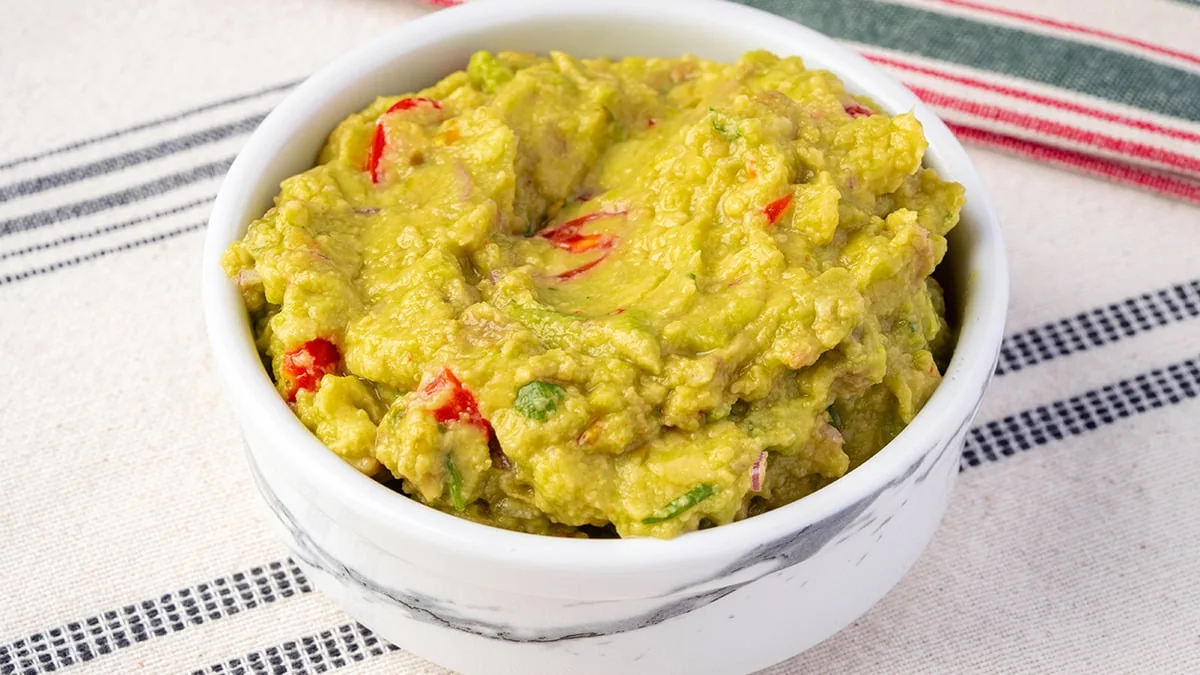
| Guacamole (with vegetable sticks) | 240 kcal | 3 g | Creamy dip, mostly unsaturated fat |
| Hummus and raw vegetables | 260 kcal | 11 g | Crunchy, high in fibre |
| Bruschetta | 260 kcal | 6 g | Feels like a treat, tomato-based |
| Cottage cheese and walnut fruit bowl | 280 kcal | 26 g | Most protein per calorie |
Hummus with raw vegetables gives you something to dip and crunch for the length of a film. Guacamole is a good party dip, but most of its energy comes from fat, so a bowl for the table goes further than a bowl each. For more ideas, see healthy snacks under 200 calories and high-protein snacks.
What about drinks?
Drinks are easy to forget. A 330 ml can of regular cola adds about 139 kcal, and a large cinema cup holds several times that. Sweet drinks are also a source of free sugars, which the WHO advises keeping below 10% of daily energy, or about 50 g a day on a 2,000 kcal diet. Water, sparkling water with lemon, unsweetened iced tea or a diet soft drink keep the snack budget for food. The guide to liquid calories covers juices, coffee drinks and alcohol.
How do you build a lighter snack plate for a film?
A simple formula: one crunchy base, one dip or protein, and one treat.
- Crunchy base: a large bowl of air-popped popcorn, seasoned with paprika, cinnamon, garlic powder or a little grated parmesan instead of butter.
- Dip or protein: hummus, a yogurt dip, cottage cheese or a small handful of nuts.
- Treat: two or three squares of chocolate, a few dates, or frozen grapes.
For example, 25 g of air-popped popcorn (97 kcal), a portion of yogurt and fruit (230 kcal) and 20 g of milk chocolate (about 107 kcal) add up to roughly 430 kcal with around 20 g of protein. That is a generous evening snack that still feels like a movie night.
How can you avoid mindless grazing?
- Portion before you press play. Put snacks in a bowl and put the bag away. Eating from a large bag removes the natural stopping point.
- Use smaller bowls. One bowl each instead of a shared mountain makes it easier to see how much you have had.
- Eat a proper dinner first. Snacking to replace a skipped meal usually ends with more calories, not fewer.
- Keep water on the table. Sometimes the hand goes to the bowl out of habit, not hunger.
- Notice how it tastes. Paying attention to the first few handfuls helps you enjoy them and stop sooner; see mindful eating.
Savoury snacks can also be salty. The WHO recommends keeping salt below 5 g a day for adults, so unsalted popcorn or nuts are worth trying if you watch films often.
What if you are watching at the cinema?
Cinema snacks are harder to judge because portions are large and recipes are rarely shown. Buckets of popcorn are often popped in oil and topped with butter-flavoured fat, nachos come with a cheese sauce, and sweets are sold in sharing bags that one person can finish in a single film. A few habits help:
- Choose the smallest size. Large sizes are often only a little more expensive, which is exactly why they are tempting.
- Share one portion between two or three people instead of buying one each.
- Skip the extra topping on popcorn, and pick water or a sugar-free drink.
- Eat before you go. Arriving after a balanced meal makes a small portion feel like plenty.
If you go to the cinema once in a while, simply enjoy it. These tips matter most when it is a weekly habit.
Does one big snack night matter?
Not much. Progress depends on your intake across the week, not one evening. If a weekly film night is part of your routine, it is easier to plan for it than to fight it: keep a few hundred calories free that evening and enjoy the snack you like best. Logging the snack plate in Sporty takes a moment and keeps the weekly picture honest.
This article is general information, not medical advice. If you have high blood pressure, diabetes or another condition, or a history of disordered eating, talk to a doctor or registered dietitian about what suits you.
Frequently asked questions
Is popcorn a healthy snack?
Air-popped popcorn is a whole grain with fibre and about 97 kcal per 25 g. Butter, oil, caramel and large portions are what make cinema or microwave popcorn much higher in calories.
How many calories are in a bag of crisps?
Salted potato crisps have about 532 kcal per 100 g in USDA data, so a 30 g portion is about 160 kcal. Check the label, as bag sizes and recipes vary.
What is a good low-calorie snack for watching TV?
Air-popped popcorn, vegetables with hummus or a yogurt dip, fruit, or yogurt with fruit are filling and moderate in calories. Portioning into a bowl helps more than any single food choice.
Is chocolate okay on movie night?
Yes, in a planned portion. 40 g of milk chocolate is about 214 kcal; a few squares alongside lighter snacks fit most calorie targets.
Was this article helpful?
No ratings yet — be the first.
Tap a star to rate it — your rating helps us improve and helps other readers.
Sources
This article is general information, not medical advice. If you have a health condition, are pregnant or under 18, talk to a doctor or registered dietitian before changing your diet.