

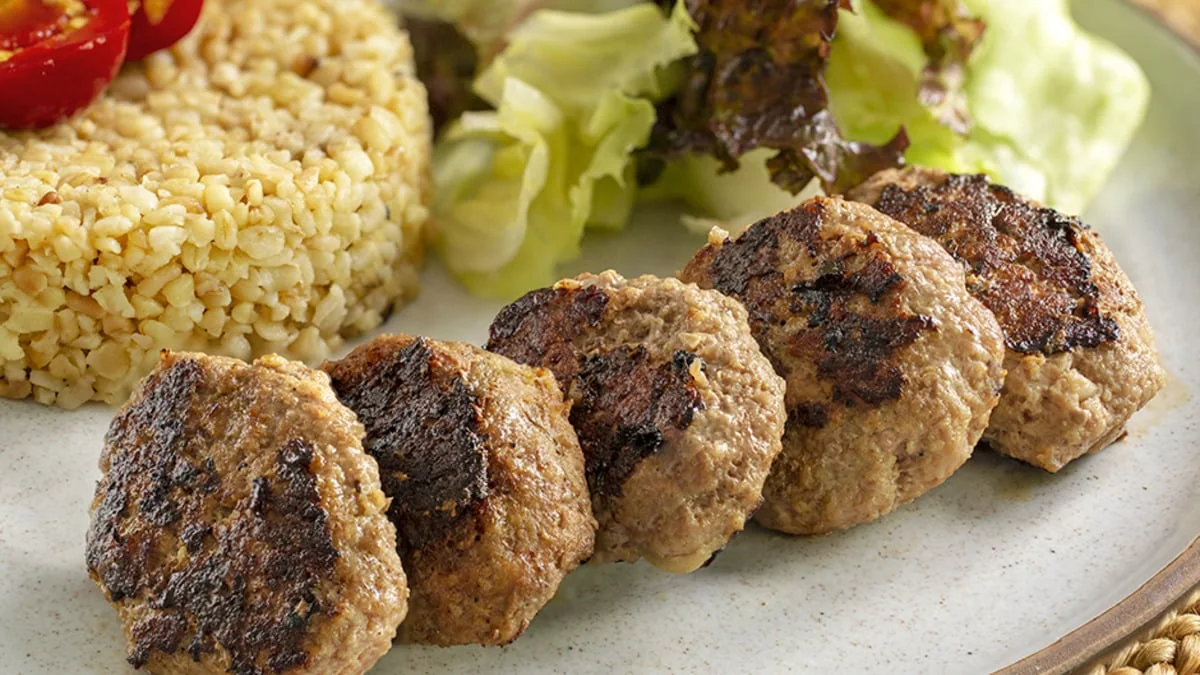
You do not need separate meals. Cook one shared base and change your plate: more vegetables and protein, a smaller portion of the starch or richer side. In Sporty's estimates, choosing chicken shish (380 kcal) while others have Adana kebab (620 kcal) saves 240 kcal at the same table.
Key takeaways
- Cook one base meal and adjust your own plate instead of cooking twice.
- Same table, different plate: chicken shish is 380 kcal against 620 kcal for Adana kebab (Sporty estimates).
- Build-your-own meals such as fajitas, bowls and tacos suit mixed households.
- Keep tempting snacks out of sight and agree on a few house rules.
- Ask for support, but do not put children on a diet.
Why is losing weight harder when others eat differently?
Most of what we eat is shaped by the people we live with: what is in the cupboard, what is cooked for dinner and what is on the table at the weekend. When a partner wants pasta every night, teenagers need more energy, a flatmate keeps biscuits on the counter or grandparents show love through second helpings, sticking to a calorie target can feel like swimming against the current.
The answer is rarely to cook two separate dinners every night. That is tiring, can feel isolating and tends not to last. A better approach is to share the meal and change the plate. The examples below use Sporty's per-serving estimates from our meal catalog; real values depend on recipes and portions.
How does "one meal, two plates" work?
Cook a base that suits everyone, usually a protein, vegetables and a starch, and let each person build their plate. You take a bigger share of protein and vegetables and a smaller share of the starch, sauce or cheese. Others eat as they like. Nobody has to eat "diet food", and you do not need a second pan.
Here is how that looks with dishes from different cuisines, using the same kitchen and similar ingredients:
| Night | Household plate | Your plate | Difference |
|---|---|---|---|
| Grill night | Adana kebab: 620 kcal, 36 g protein | Chicken shish: 380 kcal, 46 g protein | 240 kcal less, 10 g more protein |
| Mexican night | Burrito: 650 kcal, 34 g protein | Chicken fajitas: 460 kcal, 38 g protein | 190 kcal less |
| Mince and tomato | Spaghetti bolognese: 620 kcal, 32 g protein | Chili con carne: 480 kcal, 34 g protein | 140 kcal less |
| Turkish home cooking | Karnıyarık + bulgur pilaf: 750 kcal | Karnıyarık + shepherd's salad: 620 kcal | 130 kcal less |
In every case you sit at the same table and eat food that tastes like what everyone else is having. The difference comes from the starch and the fat, not from skipping dinner. Chicken fajitas, for example, use the same peppers, onion and spices as a burrito, just with lean chicken and no rice or cheese in the wrap; see chicken fajitas. A pot of chili con carne can be served with rice for the family and with extra salad for you.
Which meals suit a mixed household best?
- Build-your-own meals. Fajitas, tacos, grain bowls, baked potatoes and mezze spreads let everyone choose their own mix.
- Sheet-pan dinners. Roast chicken or fish with a tray of vegetables, plus potatoes or bread on the side for those who want them.
- Soups and stews. Lentil soup, bean stews or curries can be served with more or less bread or rice.
- Grills and kebabs. Offer both chicken and red meat skewers, with salads and flatbread on the table.
- Pasta with a twist. Cook pasta for the household and serve your sauce over a smaller portion of pasta mixed with roasted vegetables.
Our guide to family dinners that fit your calorie goal has full menus built this way.
How do you handle snacks and treats in the house?
You cannot control everything other people buy, but you can change the environment you share:
- Out of sight, out of mind. Ask that biscuits, crisps and sweets live in a closed cupboard or a box that is not yours, rather than on the counter.
- Keep your own easy options visible. Fruit in a bowl, washed vegetables, yogurt and boiled eggs at the front of the fridge.
- Serve, then put away. Plate food in the kitchen instead of leaving serving dishes on the table, which makes second helpings a decision rather than a reflex.
- Plan treats. If Friday is pizza or dessert night, plan it into your week rather than fighting it. Your weekly average matters more than one evening; see keeping your weekly average.
- Avoid finishing leftovers. Children's leftovers and the last spoonful in the pot add up. Store them for tomorrow's lunch instead.
What if everyone eats at different times?
Shift work, late school runs or flatmates with their own routines can make shared dinners rare. Cook once and portion straight away: put your serving in a container and leave the rest for others, so you are not picking from the pot for hours. If you will get home late and hungry, a small planned snack in the afternoon, such as yogurt, fruit or a few nuts, stops you arriving at the table ravenous.
How do you talk to your household about it?
The CDC suggests identifying family members or friends who will support your efforts. Support is easier to give when people know what you need. Be specific: "Could we have salad on the table most nights?" works better than "Please help me diet". Explain that you are not asking anyone else to change what they eat, only to make a few things easier.
Expect some friction. Comments such as "one piece won't hurt" are usually meant kindly. A friendly, repeated "No thanks, I'm full" is enough. If food is closely tied to love or hospitality in your family, accept a small portion and eat it slowly rather than refusing outright.
What about children?
Children and teenagers are still growing and should not be put on a calorie-restricted diet unless a doctor recommends it. The healthier changes you make, such as more vegetables, fewer sugary drinks and regular family meals, are good for everyone anyway. The WHO advises at least 400 g of fruit and vegetables a day for everyone over 10, and keeping free sugars below 10% of energy. Talk about food in terms of energy and health rather than weight, and avoid labelling foods as good or bad.
How can you keep track when meals are shared?
Shared dishes are harder to log because you did not plate them by recipe. Two simple approaches help: log the whole pot once and divide by the number of portions, or snap a photo of your own plate. Sporty can estimate a plate from a photo, and you can adjust the portion afterwards; our guide to logging home-cooked and family dishes shows both methods.
This article is general information, not medical advice. If you have a medical condition, are pregnant, under 18 or have a history of disordered eating, talk to a doctor or registered dietitian. Do not go below about 1,200 kcal a day for women or 1,500 kcal for men without medical supervision.
Frequently asked questions
Do I need to cook separate meals to lose weight?
Usually not. Cook one base meal for everyone and adjust your own plate with more vegetables and protein and less starch, sauce or cheese.
How do I lose weight if my partner eats junk food?
Ask for tempting snacks to be stored out of sight, keep your own easy options visible, and plan treats into your week. Explain what would help without asking your partner to change their diet.
Should my kids eat the same diet as me?
Children should eat the shared family meals, but they should not be put on a calorie-restricted diet unless a doctor recommends it. More vegetables and fewer sugary drinks benefit everyone.
How do I log a shared family meal?
Log the whole pot and divide it by the number of portions, or take a photo of your own plate and adjust the portion size.
Was this article helpful?
No ratings yet — be the first.
Tap a star to rate it — your rating helps us improve and helps other readers.
Sources
This article is general information, not medical advice. If you have a health condition, are pregnant or under 18, talk to a doctor or registered dietitian before changing your diet.