

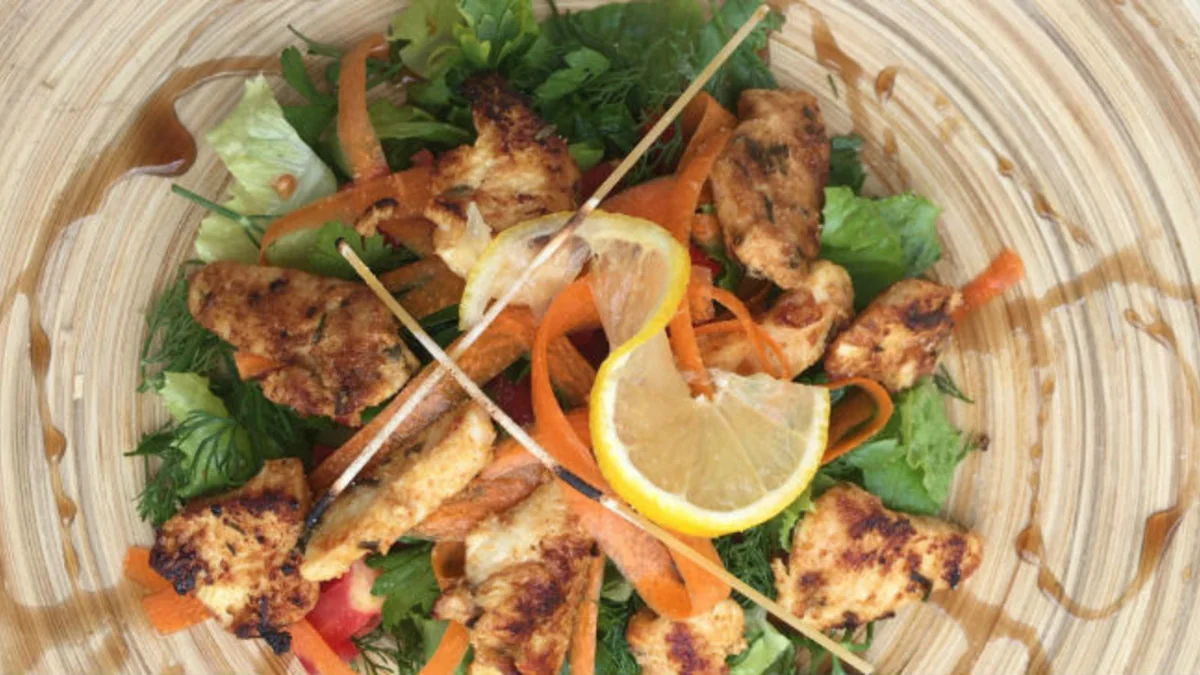
Per calorie, the leanest everyday proteins are canned tuna in water, skinless chicken breast and nonfat Greek yogurt, with about 17–22 g of protein per 100 kcal. Eggs, sardines and lentils give less protein per calorie but add healthy fats or fibre. Getting 20 g of protein costs about 91 kcal from tuna and 286 kcal from dried lentils.
Key takeaways
- Compare protein foods by grams of protein per 100 kcal; pure protein would score 25 g.
- Canned tuna in water, chicken breast and nonfat Greek yogurt get 69–88 % of their calories from protein (USDA data).
- 20 g of protein costs about 91 kcal from tuna, 227 kcal from eggs and 286 kcal from dried lentils.
- Grilled or poached poultry and white fish lead among complete meals, at about 11–12 g of protein per 100 kcal.
- Lean is a tool, not a rule: oily fish, eggs and pulses bring omega-3 fats, convenience and fibre.
What makes a protein source "lean"?
A lean protein source gives you a lot of protein for relatively few calories, because it carries little fat or carbohydrate alongside the protein. The simplest way to compare foods is grams of protein per 100 kcal. Protein has about 4 kcal per gram, so a food that was pure protein would score 25 g per 100 kcal. Real foods always score lower, and the gap tells you how much of the energy comes from fat and carbohydrate instead.
Lean does not mean better in every way. Fat, fibre and carbohydrate all have jobs in a balanced diet, and some of the most useful protein foods, such as lentils and eggs, are not especially lean. The number is simply a tool: it helps when you are eating in a calorie deficit and still want to reach a protein target.
How much protein do you need?
The US National Academies set the Recommended Dietary Allowance for adults at 0.8 g of protein per kg of body weight per day. For a 70 kg (154 lb) adult, that is 56 g. The International Society of Sports Nutrition (ISSN) suggests 1.4–2.0 g/kg for people who exercise regularly, or 98–140 g a day at 70 kg, and recommends spreading it across the day in meals of roughly 20–40 g. Protein should sit within the acceptable range of 10–35 % of total energy. Our guide to how much protein you need per day explains the targets, and the calculator below gives you your own range.
0.8 g/kg is the adult RDA; 1.4–2.0 g/kg is the ISSN range for people who exercise. Kidney disease needs medical advice.
Which everyday foods give the most protein per calorie?
The table compares common protein foods per 100 g as bought, using USDA FoodData Central values. The last column shows what share of the food's calories comes from protein.
| Food (100 g) | Energy | Protein | Protein per 100 kcal | Calories from protein |
|---|---|---|---|---|
| Light tuna canned in water, drained | 116 kcal | 25.5 g | 22.0 g | 88 % |
| Chicken breast, raw, skinless | 120 kcal | 22.5 g | 18.8 g | 75 % |
| Nonfat plain Greek yogurt | 59 kcal | 10.2 g | 17.3 g | 69 % |
| Sardines canned in oil, drained | 208 kcal | 24.6 g | 11.8 g | 47 % |
| Eggs (about 2 large) | 143 kcal | 12.6 g | 8.8 g | 35 % |
| Dried lentils | 352 kcal | 24.6 g | 7.0 g | 28 % |
Canned tuna in water, skinless chicken breast and nonfat Greek yogurt are the clear leaders: around three quarters or more of their energy comes from protein. Sardines and eggs bring more fat, which is why they sit in the middle, while lentils are mostly carbohydrate and fibre with a useful amount of protein on top.
What does 20 g of protein cost in calories?
Another way to read the same data is to ask how many calories you need to eat to get a typical 20 g serving of protein. The figures below are simple arithmetic on the USDA values above.
| Food | Amount for 20 g protein | Calories |
|---|---|---|
| Canned tuna in water, drained | about 78 g | about 91 kcal |
| Chicken breast, raw | about 89 g | about 107 kcal |
| Nonfat Greek yogurt | about 196 g | about 116 kcal |
| Sardines in oil, drained | about 81 g | about 169 kcal |
| Eggs | about 159 g (roughly 3 large) | about 227 kcal |
| Dried lentils | about 81 g dry | about 286 kcal |
The difference is large: the same 20 g of protein costs about 91 kcal from tuna and about 286 kcal from lentils. That does not make lentils a poor choice. Those extra calories come with fibre and slow-digesting carbohydrate, and a lentil meal is usually very filling. It simply means that if lentils are your main protein, the meal will also count as your carbohydrate. Our guide to plant protein without meat shows how to combine plant foods to reach your target.
How do real meals compare?
Single foods are only part of the picture, because oil, sauces and side dishes change the numbers. Here are complete meals from our meal catalog, ranked by protein per 100 kcal. These are our per-serving estimates; real values depend on recipe and portion.
| Meal (one serving) | Energy | Protein | Protein per 100 kcal |
|---|---|---|---|
| Chicken shish kebab | 380 kcal | 46 g | 12.1 g |
| Poached chicken with vegetables | 340 kcal | 40 g | 11.8 g |
| Ceviche | 220 kcal | 26 g | 11.8 g |
| Tuna salad and yogurt | 480 kcal | 52 g | 10.8 g |
| Grilled fish and vegetables | 450 kcal | 48 g | 10.7 g |
| Chicken quinoa power bowl | 520 kcal | 50 g | 9.6 g |
| Grilled sirloin steak and asparagus | 580 kcal | 54 g | 9.3 g |
| Cottage cheese and walnut fruit bowl | 280 kcal | 26 g | 9.3 g |
| Grilled salmon | 460 kcal | 40 g | 8.7 g |
| Tofu and vegetable sauté | 420 kcal | 32 g | 7.6 g |
| Vegetable omelette | 320 kcal | 22 g | 6.9 g |
| Lentil salad | 320 kcal | 16 g | 5.0 g |
Grilled and poached poultry and white fish lead, because they are cooked with little added fat. A chicken shish kebab gives 46 g of protein for 380 kcal, and grilled fish and vegetables gives 48 g for 450 kcal. Steak and salmon still deliver over 40 g per plate but bring more fat, and tofu, eggs and lentils sit lower while adding other nutrients.
Is lean always the better choice?
Not necessarily. Some of the less lean options bring benefits the leanest foods do not:
- Oily fish such as salmon and sardines supply omega-3 fats. The NHS recommends at least two portions of fish a week, one of them oily.
- Eggs are inexpensive, quick to cook and versatile at any meal.
- Lentils, beans and chickpeas add fibre and are among the cheapest protein foods.
- Red meat is lean when trimmed, but the NHS advises people who eat more than 90 g of red or processed meat a day to cut down to 70 g.
A practical approach is to use the leanest options when your calories are tight, and to rotate in fish, eggs and pulses across the week for variety.
How can you make any protein leaner?
Cooking method often matters as much as the food. The NHS suggests choosing the leanest cuts, trimming visible fat, removing poultry skin, and grilling rather than frying without adding extra oil. A few more ideas:
- Measure cooking oil with a spoon; each tablespoon adds roughly 120 kcal.
- Choose tuna canned in water rather than oil, and plain yogurt instead of sweetened versions.
- Bulk out meat dishes with vegetables or pulses so a smaller portion of meat goes further.
- Serve creamy sauces on the side so you control the amount.
When you log a meal in Sporty by photo or a short description, the protein appears next to the calories, so you can see which of your usual meals are the leanest. For more ideas on a tight budget, see budget-friendly high-protein foods.
If you have kidney disease, are pregnant, are under 18 or have a history of disordered eating, talk to a doctor or registered dietitian before raising your protein intake.
Frequently asked questions
What is the leanest source of protein?
Among common foods, canned tuna in water, skinless chicken breast and white fish give the most protein per calorie. Nonfat Greek yogurt is close behind.
Are eggs a lean protein?
Eggs are a moderate choice: about a third of their calories come from protein and the rest mostly from fat. They are still an inexpensive, nutritious protein food.
Is plant protein less lean than meat?
Usually, yes, per calorie. Lentils, beans and chickpeas carry carbohydrate and fibre with their protein, so they give fewer grams of protein per 100 kcal, but they are filling and nutritious.
How much protein should be in each meal?
The ISSN suggests spreading protein over the day in meals of roughly 20–40 g. Your total daily need depends on body weight and activity.
Was this article helpful?
No ratings yet — be the first.
Tap a star to rate it — your rating helps us improve and helps other readers.
Sources
This article is general information, not medical advice. If you have a health condition, are pregnant or under 18, talk to a doctor or registered dietitian before changing your diet.